Gratitude vs. Entitlement

Introduction—The Danger of Entitlement

Last week, we explored the transformative power of gratitude and how it enriches our lives and supports our mental health. This week, I want to delve into something that stands in stark contrast to gratitude: entitlement. Entitlement is a sneaky, dangerous mindset that can creep in without us realizing it, and it has the power to rob us of our joy, peace, and appreciation for the blessings that God generously pours into our lives.

When we develop a sense of entitlement, we start to believe that we deserve certain things simply because we want them or because we’ve done something we think makes us worthy. It’s an attitude that says, “I deserve this,” or, “This is owed to me.” But entitlement is the enemy of true gratitude because it shifts our focus away from the grace of God and leads us to believe that we somehow earned the blessings we’ve received.

Entitlement Steals Joy

When we start thinking we deserve certain things, it’s easy to lose sight of the blessings that are already in our lives. Rather than feeling grateful for what we have, we begin to feel discontent about what we think we lack. Entitlement whispers that what we have is not enough and that we deserve more, and this robs us of the joy that comes from being content and thankful. Instead of rejoicing in the blessings God gives us, we are left feeling frustrated, envious, or dissatisfied.

The Apostle Paul provides a sharp contrast to the entitled mindset. Writing from prison, he said:

I have learned to be content whatever the circumstances. I know what it is to be in need, and I know what it is to have plenty. I have learned the secret of being content in any and every situation, whether well fed or hungry, whether living in plenty or in want. I can do all this through him who gives me strength.

Philippians 4:11-13 (NIV)

Paul understood that true contentment does not come from getting what we think we deserve, but from relying on God’s grace and strength. Entitlement blinds us to the blessings that are already present in our lives, while gratitude helps us see and appreciate them.

God’s Grace, Not What We Deserve

One of the most dangerous aspects of entitlement is that it distorts our understanding of God’s grace. When we feel entitled, we begin to believe that we’ve earned God’s favor through our actions or that we are somehow deserving of His blessings. But the truth is that everything we receive from God is a gift—completely undeserved and given out of His great love and mercy.

In his letter to the church in Rome, Paul reminds us:

Borrowed from YouVersion

If we received what we truly deserved, it would be eternal separation from God, and nothing good comes from that. But, in His mercy, God gives us what we need rather than what we deserve. It’s worth remembering this when we allow entitlement to sneak in the back door of our lives, the next time we feel like God owes us something. He gives us forgiveness, love, and eternal life through Jesus Christ. What more should we expect? This is why gratitude is such a vital part of our faith—it acknowledges that every good thing we have is a result of God’s grace and not our own merit.

In Psalm 103, David expresses this truth beautifully:

The Lord is compassionate and gracious, slow to anger, abounding in love. He does not treat us as our sins deserve or repay us according to our iniquities. For as high as the heavens are above the earth, so great is his love for those who fear him.

Psalm 103:8, 10-11 (NIV)

When we shift our focus from what we think we deserve to what God has graciously given us, we find freedom, joy, and peace. We see our lives not as a collection of things we are owed but as a collection of blessings that have been poured out on us by a God who loves us more than we can fully know or understand.

Breaking the Chains of Entitlement

If you find yourself struggling with feelings of entitlement, know that you are not alone. This mindset is one that we all wrestle with at times. The good news is that God invites us to lay down our entitlement and pick up gratitude instead.

Here are a few things I’ve tried over the years to try to break free from the chains of entitlement, in case it’s helpful:

  1. Recognize God as the Giver of All Good Things: James 1:17 tells us, “Every good and perfect gift is from above, coming down from the Father of the heavenly lights.” When we remember that everything we have is a gift from God, it becomes easier to let go of entitlement and embrace gratitude.
  2. Practice Thankfulness: Make a habit of thanking God daily for the blessings in your life—both big and small. Gratitude shifts our focus away from what we think we lack and helps us see the abundance we already have.
  3. Serve Others: One of the best ways to break free from entitlement is to serve others. When we put others’ needs before our own, we are reminded that life is not all about us. Jesus said, “The Son of Man did not come to be served, but to serve” (Matthew 20:28). Serving others helps us develop a heart of humility and gratitude.
  4. Remember God’s Grace: Reflect on the fact that God does not give us what we deserve but instead offers us His grace and mercy. This should fill our hearts with overwhelming gratitude and help us let go of any feelings of entitlement.

Conclusion: Gratitude Over Entitlement

Entitlement is a thief that steals our joy, contentment, and appreciation for the blessings God has given us. It leads us to believe that we deserve more, blinding us to the abundance we already have. But when we choose gratitude, we open our eyes to the beauty and grace that fill our lives.

Instead of asking, “What do I deserve?” let’s ask, “How can I be grateful for what God has given me?” Instead of demanding more, let’s thank God for His grace, which gives us far more than we could ever deserve. Let’s break free from entitlement and embrace a life of thankfulness, contentment, and joy.


Posted in Biblical insights, Biblical Teachings, Christian, Christian encouragement, Christian Living, Christianity and Mental Health, Contentment and Gratitude, Daily Devotional, Encouragement, Faith, Faith and Dependence, Faith and Encouragement, Faith and Inspiration, Faith and Resilience, Faith and Resilliance, Faith and Trust, God's love, God's provision, Grace and Redemption, Gratitude and Thankfulness, Inspirational, Mental Health and Wellness, Navigating Life's Challenges, Overcoming Challenges, Personal Reflection, Self-Improvement, Serving Others, Spiritual Encouragement, Spiritual Growth, Spiritual Reflection | Tagged , , , , , , , , , , , , , , | Leave a comment

Give Thanks

Introduction

As Thanksgiving approaches, I find myself reflecting on the power of gratitude. This holiday invites us to pause and consider all that we are thankful for, even in the midst of life’s challenges. Psalm 107 has been on my mind recently, and it feels like the perfect scripture for this season of gratitude. It’s a psalm that calls on us, again and again, to give thanks to the Lord for His unfailing love and His wonderful deeds for humankind.

Psalm 107: A Call to Gratitude

Psalm 107 begins with these words:

Give thanks to the Lord, for He is good; His love endures forever.

Psalm 107:1 (NIV)

This verse is a powerful reminder that God’s love is constant and unchanging. The entire psalm goes on to recount stories of people in distress—wanderers in the desert, prisoners, those facing sickness, and sailors caught in a storm—all of whom cried out to God and were delivered by Him. Each time, the psalmist urges the people to give thanks, not just because God rescued them, but because His love endures. Psalm 107 shows us that gratitude isn’t just for the times when things are easy. It’s for all times, because God is always working, even when we may not see it in the moment.

I love the way this psalm repeatedly calls us to give thanks, regardless of our circumstances. It reminds us that God is with us through all of life’s valleys and peaks. Sometimes, it’s only when we look back that we realize just how much He was working on our behalf, even during the times that felt the most difficult.

Seeing God’s Hand in Retrospect

One of the things I’m most thankful for this year is the perspective that hindsight gives. As I look back over my life, I can see so many moments when God was working in ways I didn’t understand at the time. There have been rough patches—times when I felt lost, overwhelmed, or discouraged. In those moments, it was hard to see the bigger picture. But now, with the passage of time, I can see how those challenges shaped me, how God used them to help me grow and bring me to the place I am today.

This has been especially on my heart lately because I’ve been helping my younger daughter through some difficult times. Comforting her through her struggles has reminded me of my own tough seasons and how, even when I couldn’t see it, God was right there, guiding me through and working on my behalf. It gives me hope that He is doing the same for her now—that one day, she will look back and see His hand at work, even in the moments that feel overwhelming.

The Power of Gratitude

Gratitude has a unique way of changing our perspective. When we intentionally choose to give thanks, even in the midst of hardship, it shifts our focus from what is lacking to what we have been given. It reminds us that God is working behind the scenes to pave the path to peace for us. It helps us recognize God’s faithfulness, and it helps us remember that we are never alone. Studies have even shown that practicing gratitude can have a positive impact on our mental health, helping to reduce stress and improve overall well-being.

The Apostle Paul knew the importance of gratitude, even when things weren’t easy. In 1 Thessalonians 5:16-18, he writes:

Rejoice always, pray continually, give thanks in all circumstances; for this is God’s will for you in Christ Jesus.

Paul, in 1 Thessalonians 5:16-18 (NIV)

Paul isn’t saying that we should be thankful for all circumstances, but that we can (and should) be thankful in all circumstances. The difference is significant. When we give thanks in the midst of our struggles, we acknowledge that God is still good, that His love endures, and that He is with us—no matter what.

A Heart of Thanksgiving

As we approach Thanksgiving, I want to encourage you (and myself) to take some time over the next few weeks (and beyond) to reflect on God’s goodness. Look back over your life and think about the times when you’ve seen His hand at work. Maybe there were moments when you felt lost, but now you can see how He guided you through. Or maybe there were times when you were in need, and He provided in ways you never expected.

Psalm 107 invites us to remember and give thanks. Let’s take that invitation to heart this week. As we run up to Thanksgiving, let’s start taking time to give thanks to the Lord, not just for the good times, but for His presence in every season of our lives. Let’s thank Him for the ways He has shaped us through our challenges and for the hope we have that He is always working for our good.

Let them give thanks to the Lord for His unfailing love and His wonderful deeds for mankind.

Psalm 107:8 (NIV)

This Thanksgiving, let’s remember that gratitude is more than a feeling—it’s a choice. It’s a way of seeing the world, of recognizing God’s goodness, even in the midst of life’s valleys and peaks. Let’s give thanks with full hearts, knowing that God’s love endures forever.

Posted in Biblical insights, Christian, Christian encouragement, Christian Living, Christianity and Mental Health, Comfort and Healing, Contentment and Gratitude, Daily Devotional, Encouragement, Faith, Faith and Dependence, Faith and Encouragement, Faith and Inspiration, Faith and Resilience, Faith and Resilliance, God's provision, Healing and Restoration, Inspirational, Life Challenges, Mental Health and Wellness, Navigating Life's Challenges, Personal Reflection, Self-Improvement, Spiritual Encouragement, Spiritual Growth, Spiritual Reflection, Trust in God | Tagged , , , , , , , , , , | 1 Comment

Vote with Your Heart for Your Heart

Introduction

As you may have noticed, Election Day in the United States is in just a couple of days. But fear not, this will not be a political post. As hard as it is to believe, there won’t even be any political ads anywhere in this article.

Believe me when I say that I understand how easy it is to feel overwhelmed by the weight of our choices in this election. The debates, the ads, the news headlines—all of them clamor for our attention, urging us to believe that this moment is the most consequential in our lives, and that the outcome will shape the very course of our future. And while this election is important, I want to offer a gentle reminder to myself and to you: As followers of Christ, our hope is not ultimately found in the results of an election, but in the One who holds all of history in His hands.

When Paul wrote to the Corinthians, he encouraged them to keep their eyes fixed on an eternal perspective, even in the face of challenges. He wrote:

“For our light and momentary troubles are achieving for us an eternal glory that far outweighs them all. So we fix our eyes not on what is seen, but on what is unseen, since what is seen is temporary, but what is unseen is eternal.”

Paul the Apostle, in 2 Corinthians 4:17-18 (NIV)

Paul knew what it meant to face hardship, injustice, and suffering. And yet, he reminded the believers that, in the grand scope of eternity, even the heaviest burdens we carry today are ultimately “light and momentary” compared to the glory that awaits us. No matter how troubling or chaotic the current moment may feel, we are called to look beyond it—to fix our eyes on the One who never changes, the One whose kingdom is not shaken by election results.

The Joy of Eternal Perspective

When Jesus spoke to His disciples about worry, He urged them not to be anxious about tomorrow but to trust in God’s provision. In Matthew 6:33, He said:

Borrowed from YouVersion

This is such an important reminder for us, especially in times like these. Our first priority, our highest calling, is not to place our hope in a political outcome, but to seek God’s kingdom above all else. When we align our hearts with His, we find a peace that goes beyond the shifting tides of this world.

It’s natural to care deeply about the issues that affect our communities and our country. God calls us to be good stewards of the opportunities we have to make a difference in this world. But at the same time, we need to remember that the ultimate condition of our hearts matters more than the temporary outcomes of an election. No matter which way the results go, God is still God, and He’s still good. He is still in control. And His love for us remains constant and unshakable.

Paul encourages us:

“Do not be anxious about anything, but in every situation, by prayer and petition, with thanksgiving, present your requests to God. And the peace of God, which transcends all understanding, will guard your hearts and your minds in Christ Jesus.”

Philippians 4:6-7 (NIV)

This peace, the peace that transcends understanding, is what we can hold onto in the midst of uncertainty. It’s a peace that comes not from who sits in positions of earthly power, but from knowing that our hearts are secure in Christ, the King of Kings.

Voting with Our Hearts

So what do I mean when I suggest that you “vote with your heart for your heart”? It means that as we cast our ballots—or as we reflect on the choices we’ve already made—we remember that the most important vote we cast is not on a ballot, but in our daily walk with God. Each day, we decide where we’re placing our trust, our hope, and our sense of security.

Today, let’s choose to place those things in the hands of our unchanging Savior. Let’s remember that our identity is not defined by a political party or the outcome of an election, but by the fact that we are children of God, loved and held by Him.

No matter what happens on Election Day, let’s keep our hearts fixed on what is eternal. Let’s seek God’s kingdom first, trust that He is in control, and share the hope we have in Christ with a world that desperately needs it. Let’s vote with our hearts for our hearts, making sure that above all else, our lives reflect the unshakable hope we have in Jesus.

Posted in Biblical insights, Biblical Teachings, Christian encouragement, Christian Living, Christianity and Mental Health, Daily Devotional, Encouragement, Faith, Faith and Culture, Faith and Encouragement, Faith and Inspiration, Faith and Resilience, Faith and Resilliance, Faith and Trust, Inspirational, Jesus and the Gospel, Jesus's teachings, Life Challenges, Living in Uncertain Times, Navigating Life's Challenges, Personal Reflection, Reflections on Current Events, Spiritual Encouragement, Spiritual Growth, Spiritual Reflection, Trust in God | Tagged , , , , , , , , , , , , | Leave a comment

Stealing Back Joy

Introduction

In a world that often seems filled with endless to-do lists, challenges, and disappointments, it’s easy for joy to slip through our fingers. We tend to think of joy as synonymous with happiness—something that occurs when everything aligns perfectly in our lives. But the Bible speaks of a different kind of joy—the joy of the Lord—which is not dependent on our circumstances. This kind of joy is resilient, lasting through hard times and trials because it’s anchored in something deeper. Today, let’s explore what it means to steal back that kind of joy.

The Joy of the Lord: Not Circumstantial

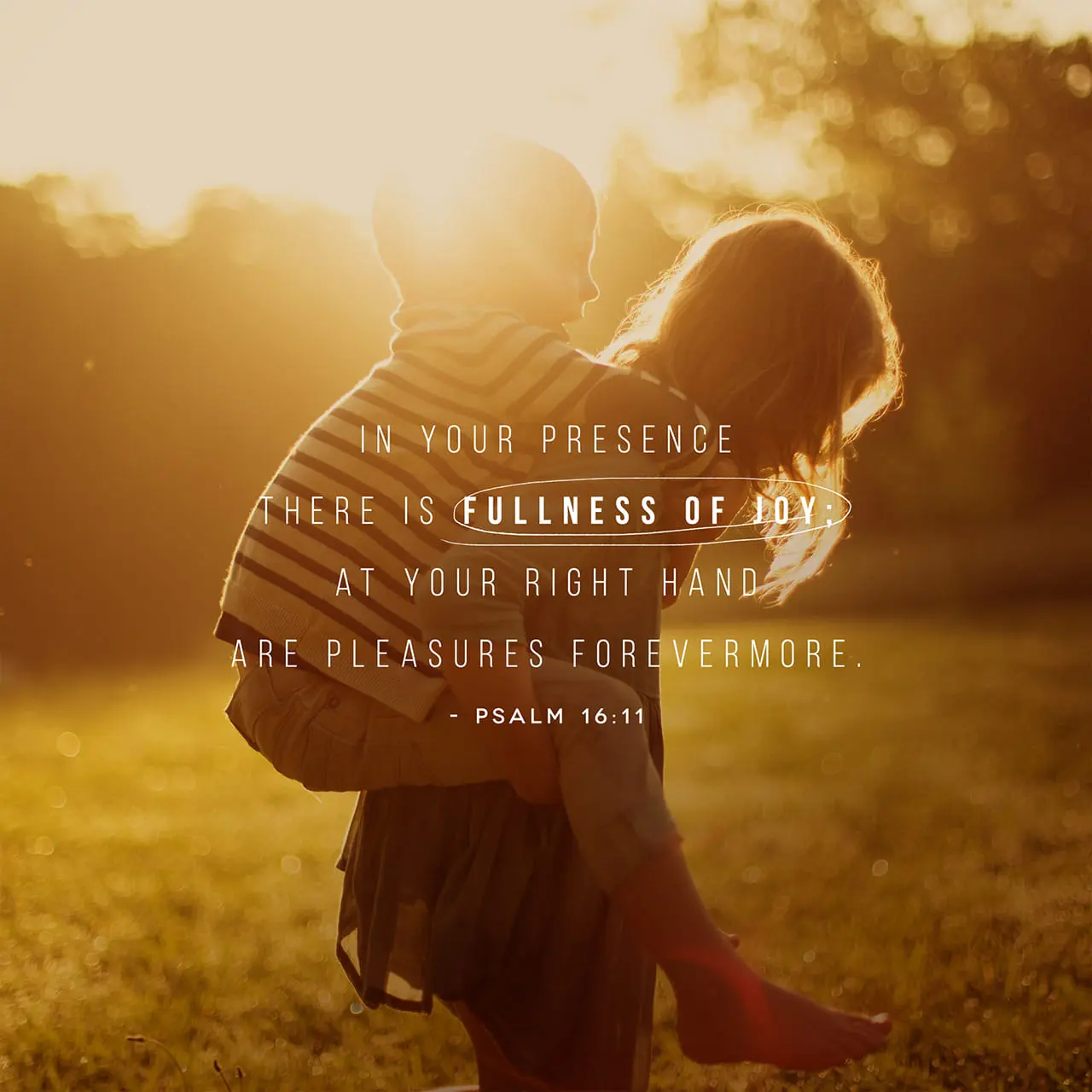
The joy of the Lord isn’t a fleeting feeling. It isn’t dependent on good news, a successful project, or a happy day. This kind of joy endures because it is based on the eternal nature and promises of God, not on our constantly shifting circumstances. In Psalm 16, David tells us:

Borrowed from YouVersion

The joy that comes from being in God’s presence isn’t about what’s going on around us; it’s about what’s going on inside us—knowing that we belong to Him.

The difference between joy and happiness becomes evident during times of difficulty. Happiness is fleeting, something that ebbs and flows on the shores of our lives based on external factors. Joy, however, is different—it stays rooted in us, even when we walk through hardships. The Apostle Paul reminds us:

For our light and momentary troubles are achieving for us an eternal glory that far outweighs them all.

Paul, in 2 Corinthians 4:17 (NIV)

Paul endured immense suffering, yet he was able to maintain his joy because he understood that his current struggles were temporary compared to the eternal promises of God.

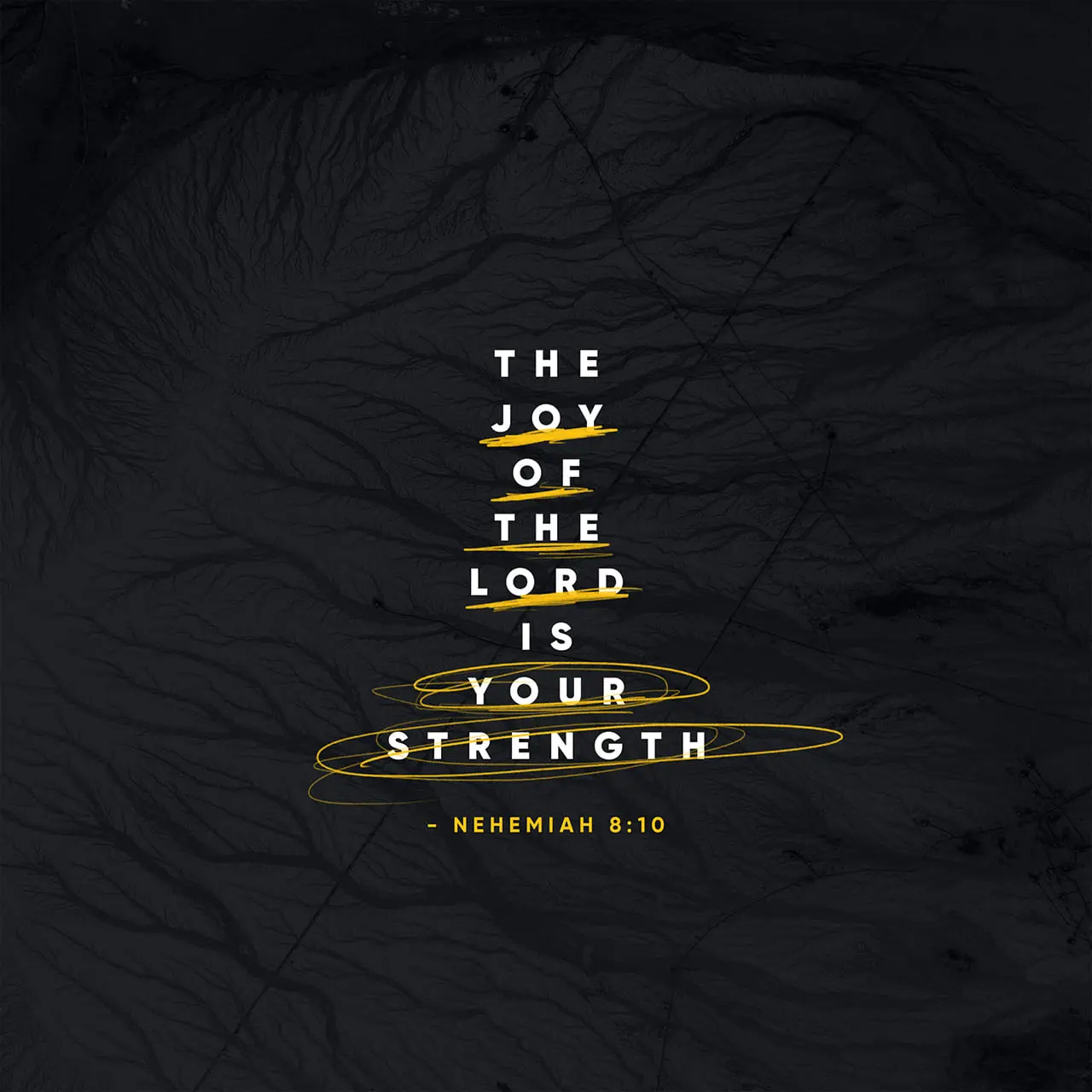
Another powerful reminder comes from the Prophet Nehemiah:

Borrowed from YouVersion

Joy has a power that goes beyond human resilience—it strengthens us in ways that happiness never can. Joy in God gives us the ability to face challenges head-on because we know we are never alone, and our circumstances are not the end of the story.

The Ultimate Source of Joy

This enduring joy, unlike fleeting happiness, acts as our strong foundation during life’s uncertainties. As followers of Christ, we have every reason to hold onto joy, even in the face of life’s greatest challenges. This joy comes from knowing that, ultimately, our story ends in victory. At the end of all the struggles of this earthly life, there is a beautiful promise waiting for us: eternal life with Jesus. Revelation 21:4 gives us a glimpse of this incredible future:

Borrowed from YouVersion

In that moment, all the sorrows and losses of this life will be overshadowed by the joy of being fully united with our Creator.

Not only will we meet Jesus face-to-face, but we will also be reunited with those we love who have gone before us and who accepted the gift of grace Jesus has offered to us all. For those of us who have lost loved ones, this is a profound source of hope and joy. Imagine being reunited with your friends and family members whose passing you’ve mourned. I like to think our dogs will be there—not entirely sure about cats, but anything’s possible. That’s a discussion for another time. The point is that in heaven, there will no longer be separation, loss, or sorrow. There will be no fear or anxiety, because there will be nothing left to be afraid of or worry about. Sin, in all its forms—hatred, violence, bullying, and political ads—will be absent. What remains will be love, peace, and unending joy.

This kind of joy is what can sustain us here and now. It reminds us to be grateful when good things happen to us. It carries us through the crappy days. We can rejoice because we know how the story ends. Paul writes to his congregation in Rome:

Borrowed from YouVersion

Knowing that there is a glory beyond our current trials gives us the strength to keep moving forward, to smile even when we’re hurting, and to keep sharing love and hope with those around us.

Stealing Back Joy

If you feel like joy has been stolen from you, it’s time to steal it back. Not by chasing after the temporary highs of this world, but by seeking the lasting joy that comes from knowing Jesus. This joy doesn’t ignore pain or pretend everything is perfect—it sits with us in our grief, reminds us that we are not alone, and points us toward a future filled with hope and peace and loved ones and good dogs.

We can cultivate this joy by staying in God’s presence through prayer, worship, and immersing ourselves in His Word. Recall what I referred to from Psalm 16:11 earlier, it’s in His presence that we find fullness of joy. We can also find joy by serving others, by being a light in their dark times, and by sharing the hope we have in Jesus. In doing so, we not only strengthen our own joy, but we help others find theirs too.

No matter what you’re facing today, remember that the joy of the Lord is your strength. Joy is not out of reach. It’s already yours in Christ—sometimes we just need to steal it back from the distractions, anxieties, and struggles that threaten to take it away at every pothole in our life journeys. Let’s live in that joy, let’s share it, and let’s let it be our strength every single day.

Posted in Biblical insights, Biblical Teachings, Christian, Christian encouragement, Christian Living, Contentment and Gratitude, Daily Devotional, Dependence on God, Faith, Faith and Encouragement, Faith and Inspiration, Faith and Resilience, Faith and Resilliance, Family Relationships, God's love, Grace and Redemption, Healing and Restoration, Inspirational, Life Challenges, Mental Health and Wellness, Navigating Life's Challenges, Personal Reflection, Prayer and faith, Prayer and Worship, Self-Improvement, Serving Others, Spiritual Encouragement, Spiritual Growth, Spiritual Reflection | Tagged , , , , , , , , , , , | 1 Comment

Comforted So We Can Comfort

Introduction

Life has a way of presenting us with challenges that we never saw coming—difficult moments where we question, “Why did this happen?” It’s in these painful times that we often seek answers, but they can be elusive. Sometimes, we may never understand the reasons behind our suffering this side of heaven. But I wonder if part of the reason we experience hardship is so that we can later comfort others who are going through similar trials.

The Apostle Paul seems to suggest as much in his letter to the Corinthians. In 2 Corinthians 1:3-4, he writes:

Praise be to the God and Father of our Lord Jesus Christ, the Father of compassion and the God of all comfort, who comforts us in all our troubles, so that we can comfort those in any trouble with the comfort we ourselves receive from God.

Paul, in 2 Corinthians 1:3-4 (NIV)

Paul emphasizes that God comforts us in all our troubles—not just so we can feel better, but so that we can pass on that comfort to others who are suffering. It’s as though God is inviting us to take what we’ve learned through our own experiences of comfort and use it to help someone else in their time of need. This cycle of receiving comfort and then sharing it with others redeems our suffering, turning something painful into something that ultimately blesses others.

In my own life, I’ve endured painful seasons of loss and self-doubt. I struggled to understand why God would allow these bad things to happen to me. There’s a rabbit hole we could follow about the flaws with that type of thinking, but I won’t do that now since it’s beside the point for today’s post, and I’ve written other articles about that. Anyway, fast-forward many years, and now one of my adult children is struggling with loss and self-doubt. Of course, I feel so badly for her, but now I have a chance to share the comfort with her that I received along the way.

Comfort from God

There are many verses in the Bible that show God’s promises to provide comfort during times of distress. So many of these gave me beacons of hope during dark days. Here are some examples.

King David, who experienced much suffering, wrote Psalm 34:18, which says:

The Lord is close to the brokenhearted and saves those who are crushed in spirit.

David, in Psalm 34:18 (NIV)

This is such a powerful reminder that God is near when we are hurting. He doesn’t leave us to suffer alone. His heart is drawn to those who are in pain, and He provides comfort to carry us through, either directly (via Bible verses, for example) or indirectly (by sending a friend to help us grapple with the pain).

Similarly, Isaiah 41:10 offers another word of encouragement from God:

So do not fear, for I am with you; do not be dismayed, for I am your God. I will strengthen you and help you; I will uphold you with my righteous right hand.

Isaiah 41:10 (NIV)

In moments of suffering, God reassures us of His presence and His power to sustain us. He strengthens us when we feel weak, reminding us that we are not alone in our trials.

Another example from the Prophet Isaiah is famous for its inclusion in Handel’s Messiah. It hints at the coming of Jesus, the Messiah, who will leave heaven to come to earth and enable Himself to give us comfort by suffering all the things we will ever suffer, and by paying the ultimate price for all the sins we will ever commit.

Comfort, comfort my people, says your God. Speak tenderly to Jerusalem, and proclaim to her that her hard service has been completed, that her sin has been paid for, that she has received from the Lord’s hand double for all her sins.

Isaiah 40:1-2 (NIV)

The message is clear—God desires to bring comfort to us, His people, even during times of hardship and suffering. It reflects God’s compassionate nature and His desire for His people to experience comfort, restoration, and peace.

Passing on the Comfort

But the message from the verses in 2 Corinthians that I mentioned earlier reminds us that comfort is not just something we are meant to receive passively. It’s also something we are meant to share actively. When we have endured suffering and found solace in God, we are uniquely positioned to offer empathy and support to others who are hurting. We have walked that path, and our experiences allow us to understand, connect, and encourage those who are still struggling. This is the situation I’m in now with my daughter and her heart-breaking situation.

Paul gives us a simple yet profound directive in his letter to the church at Rome:

Rejoice with those who rejoice; mourn with those who mourn.

Paul, in Romans 12:15 (NIV)

This verse calls us to step into the emotional space of others—celebrating their joys and sharing in their griefs. When we comfort others, we aren’t just giving them advice or trying to solve their problems. Often, the most powerful thing we can do is simply be present and offer the same compassion and understanding that we ourselves have received.

God’s Compassion and Mercy

Throughout Scripture, we also see God’s desire for us to care for one another. In Galatians 6:2, Paul writes:

Carry each other’s burdens, and in this way, you will fulfill the law of Christ.

Galatians 6:2 (NIV)

Here, Paul is referring to the law of love—the command to love one another as Christ has loved us (John 13:34). By sharing in each other’s suffering, by bearing each other’s burdens, we become a tangible expression of God’s love to those around us.

This idea of redeeming suffering through the act of comforting others is an example of God’s mercy and wisdom. Even though we may never fully understand why we go through certain hardships, we can find purpose in those moments by using what we’ve learned to comfort others. It doesn’t minimize the pain, but it does allow us to see our suffering through a different lens—one that points us toward compassion, connection, and hope.

Conclusion: Redeeming Our Pain

There are times in life when we’ll experience suffering that defies explanation. We may never know why certain things happen, and that’s okay—because we serve a God whose ways are higher than ours (Isaiah 55:8-9). But one thing we can be sure of is that God never wastes our pain. He comforts us so that we, in turn, can become vessels of His comfort to others.

If you’re in a season of suffering right now, I encourage you to lean on God for the comfort that only He can provide. And if you’ve come through a season of hardship, ask yourself how you can share the comfort you received with those who are still walking through their storm. In doing so, we not only find purpose in our pain but also bring glory to the God who is with us in every trial.

As 2 Corinthians 1:5 continues, Paul writes:

For just as we share abundantly in the sufferings of Christ, so also our comfort abounds through Christ.

2 Corinthians 1:5

The comfort we receive in Christ is not just for ourselves—it overflows so that we can share it with others. Let’s be people who redeem our suffering by offering that comfort to those in need.

Posted in Biblical insights, Biblical Teachings, Christian, Christian encouragement, Christian Living, Christianity and Mental Health, Comfort and Healing, Daily Devotional, Faith, Faith and Encouragement, Faith and Inspiration, Faith and Trust, God's love, Life Challenges, Mental Health and Wellness, Navigating Life's Challenges, Personal Reflection, Prayer and faith, Self-Improvement, Serving Others, Spiritual Encouragement, Spiritual Growth, Spiritual Reflection, Trust in God | Tagged , , , , , , , , , , , , , , , | 2 Comments

Rejoice, Pray, Give Thanks

Introduction

Life presents us with a series of highs and lows, victories and struggles. It’s easy to find joy when things are going well, but what about when they aren’t? How do we maintain a heart of gratitude when life feels like it’s falling apart? How do we—or do we—help each other navigate life’s valleys and peaks? These questions often challenge us, but in his first letter to the church at Thessalonica, the Apostle Paul offers clear, life-giving guidance, which he says is God’s will for us, assuring us that if we follow it, we are in fact cooperating with Him:

…encourage the disheartened, help the weak, be patient with everyone. Make sure that nobody pays back wrong for wrong, but always strive to do what is good for each other and for everyone else.

Rejoice always, pray continually, give thanks in all circumstances; for this is God’s will for you in Christ Jesus.

Do not quench the Spirit. Do not treat prophecies with contempt but test them all; hold on to what is good, reject every kind of evil.

May God himself, the God of peace, sanctify you through and through. May your whole spirit, soul and body be kept blameless at the coming of our Lord Jesus Christ. The one who calls you is faithful, and he will do it.

1 Thessalonians 5:14b-24 (NIV)

In verses 16 through 18, this passage gives us three simple yet powerful commands that can transform how we navigate life’s roller coasters.

Rejoice Always

“Rejoice always” seems almost impossible at first glance. How can we be joyful when we’re facing difficulties, grief, or loss? But Paul isn’t telling us to ignore our pain or pretend life is always perfect. Instead, he’s encouraging us to find our joy in the unchanging character and promises of God. Our circumstances may change, but God does not. We can rejoice because of who God is and what He has done for us, for what He will continue to do for us.

True joy comes from our relationship with God, not from external circumstances. Psalm 16:11 reminds us, “In Your presence is fullness of joy” (emphasis added to focus on where we can find fullness of joy). As we live our lives in God’s presence, rejoicing becomes a natural outflow. We are invited to experience a joy that transcends momentary happiness and is deeply rooted in God’s love and faithfulness.

Pray Continually

The second command, “pray continually,” invites us into a constant conversation with God. This doesn’t mean we should spend every moment on our knees in formal prayer, but that we maintain an open line of communication with Him throughout our day. It’s about cultivating a heart that is constantly aware of God’s presence and bringing everything—our hopes, fears, needs, and thankfulness—to Him.

Paul’s encouragement to “pray continually” also reminds us of the importance of dependency on God. Whether life is smooth or stormy, prayer anchors us in God’s strength, wisdom, and peace. It’s through prayer that we stay connected to the One who knows us best and provides for our every need.

In Philippians 4:6, Paul reiterates, “Do not be anxious about anything, but in every situation, by prayer and petition, with thanksgiving, present your requests to God.” Prayer is our lifeline, the means by which we draw close to God in every circumstance.

Give Thanks in All Circumstances

Perhaps the most challenging of these commands is to “give thanks in all circumstances.” When life is difficult, our natural response is often frustration or despair, not gratitude. Yet, Paul reminds us that thankfulness is not dependent on our circumstances—it is a response to the goodness of God.

Even in hard times, we can thank God for His faithfulness, His love, and His promises. When we practice gratitude, we are reminded of how much God has already done for us. Gratitude shifts our focus from what is wrong to what is right—from what we lack to what we’ve been given.

James 1:17 tells us, “Every good and perfect gift is from above.” When we focus on those gifts, even in challenging times, we cultivate a heart of gratitude. Thankfulness also builds our trust in God, knowing that He is working for our good, even when we don’t understand the bigger picture.

A Life of Faith and Trust

Ultimately, these three commands—rejoice always, pray continually, and give thanks in all circumstances—are about living a life of faith and trust in God. Paul closes this section of Scripture with a powerful reminder in 1 Thessalonians 5:24: “The one who calls you is faithful, and he will do it.”

God calls us to these attitudes not to burden us, but because He knows they lead to abundant life. When we rejoice, pray, and give thanks, we open our hearts to receive more of God’s peace, love, and presence. We are reminded that God is in control, and He is faithful to complete the work He has begun in us.

Conclusion: Living Out These Commands

Living out these commands takes practice and intentionality, especially in difficult times. But as we cultivate a heart of joy, remain steadfast in prayer, and give thanks in all circumstances, we find that God meets us where we are. He strengthens us, comforts us, and fills us with a peace that surpasses all understanding.

So today, ask yourself: how can I rejoice, pray, and give thanks in my current circumstances? Trust that God, who is faithful, will guide you and bring you through every challenge as you take these steps of faith.

Posted in Biblical insights, Biblical Teachings, Christian, Christian encouragement, Christian Living, Contentment and Gratitude, Daily Devotional, Dependence on God, Faith, Faith and Encouragement, Faith and Inspiration, Faith and Trust, God's love, God's provision, Inspirational, Personal Reflection, Prayer and faith, Prayer and Worship, Serving Others, Spiritual Growth, Spiritual Reflection | Tagged , , , , , , , , | Leave a comment

Where Are You Going?

Introduction

In life, when things seem to be going well, it’s natural for us to want to maintain the status quo. We work hard to build a life where everything is in balance—where our relationships, careers, and daily routines run smoothly. Sometimes, even when things aren’t going perfectly, we still resist change because we are more comfortable with what we know than with the uncertainty of the unknown.

But in our journey with God, remaining stagnant is not an option. God, who is the only unchanging, unchangeable thing ever to exist, is always calling us into something deeper and more meaningful. Every day, we are either moving closer to Him or drifting farther away. The question we need to ask ourselves is, “Where are you going?”

God’s Call to Growth

The Bible is full of stories where God calls His people to move forward—sometimes literally, sometimes spiritually. When God called Abraham, He didn’t invite him to stay comfortable in his homeland but asked him to leave and go to a place God would show him (Genesis 12:1). Abraham’s obedience in moving forward set the stage for God’s greater promises to be fulfilled in his life. Similarly, God continually calls us to move deeper into relationship with Him. Standing still is not an option.

One of the key verses that highlight our need to continually grow in our relationship with God comes from James 4:8:

This verse emphasizes that we must take active steps toward God, and as we do, He draws closer to us. There’s an inherent motion in this relationship—we are either moving closer to Him or farther away. God desires our daily progression, and through prayer (which is a conversation with Him), study, and obedience, we draw nearer to Him.

There’s No Neutral Ground

Jesus Himself emphasized that there’s no neutral ground in our spiritual journey. He said:

“Whoever is not with me is against me, and whoever does not gather with me scatters.”

Matthew 12:30 (NIV)

This is a strong reminder that we can’t coast in our relationship with God. If we aren’t actively moving toward Him, we are inevitably moving away from Him. Life presents us with daily choices that either draw us closer to God’s heart or pull us further away. When we get too comfortable, we risk stagnation—an enemy of spiritual growth.

God’s Transforming Work

God is always at work in our lives, transforming us to be more like Christ. Paul encourages us in Romans 12:2:

Here, Paul explains that our lives are in a state of transformation, where God is continually molding and shaping us. This transformation doesn’t happen all at once but is a process. As we allow God to renew our minds, we move forward in our journey toward Him. If we resist this transformation or seek to stay where we are, we stop growing and risk drifting away from God’s purpose for our lives.

Choosing Our Direction

Every day, we have a choice. Are we going to take steps that bring us closer to God, or are we going to allow the distractions of life to pull us away? Jesus said in Luke 9:23:

This verse highlights the daily decision-making process in our walk with Christ. Each day, we choose to follow Him by surrendering our will and aligning our hearts with His. If we aren’t intentional about this, we risk falling into complacency and moving away from the life God desires for us.

The Danger of Drifting

Hebrews 2:1 warns us about the danger of drifting away from God:

We must pay the most careful attention, therefore, to what we have heard, so that we do not drift away.

Hebrews 2:1 (NIV)

Drifting is something that happens when we are not paying attention, when we become passive in our faith. Like a boat that slowly moves away from the shore because no one is steering it, we can easily drift from God when we are not intentional about growing closer to Him. To avoid drifting, we must continually seek God’s guidance and actively work on our relationship with Him.

Conclusion: Moving Toward God

So, where are you going? Are you moving closer to God, deepening your relationship with Him each day? Or are you stuck, trying to hold onto the way things are, and therefore actually drifting farther away? The reality is that every day presents a choice. We are either stepping closer to God, growing in His grace, or we are moving farther from Him. There is no standing still in our spiritual journey.

As I reflected on this idea, I realized that I need to be more intentional about taking daily steps closer to God. My new goal is to start each day by asking for His guidance and strength to keep growing deeper in my relationship with Him. I will trust that, as I move toward Him, He is moving toward me, drawing me deeper into His love and purpose for my life.

This practice of intentional daily steps can help all of us grow closer to God. Let today be the day you decide to move closer to Him with each passing day. If it is, I invite you to take one small step each day to help you grow closer to God. This could mean reading a chapter in the Bible each day, being intentional about talking with God throughout your days, singing along with praise music on the radio or on your playlist, or writing something (journal, etc.) to God or about your relationship with God. The possibilities are as numerous as the abilities God has given you.

Posted in Biblical insights, Biblical Teachings, Christian, Christian encouragement, Christian Living, Daily Devotional, Faith, Faith and Encouragement, Faith and Inspiration, God's love, Inspirational, Personal Reflection, Prayer and faith, Prayer and Worship, Self-Improvement, Spiritual Encouragement, Spiritual Growth, Spiritual Reflection | Tagged , , , , , , , , , , , | Leave a comment

After the Storm, Preparing for the Next One

Introduction

As you may know, Hurricane Helene passed through Florida, among other states, and on its way, it came near my home. Thankfully, we didn’t sustain any damage, but others around us weren’t as fortunate. It was a sobering reminder that no matter how well-prepared we are, literal and metaphorical storms are an inevitable part of life.

That got me thinking about what we should do after the storm has passed. It’s easy to breathe a sigh of relief, thankful that the worst didn’t come to our door. But as followers of Christ, I believe we are called to a higher response—one that involves helping others weather the storms in their lives and preparing ourselves for the next storm life may throw our way.

Help and Understand Those Who Were Affected

Even though our house was spared from damage, others in the community suffered loss. Trees fell on homes, floodwaters swept through neighborhoods, and power outages left many without basic necessities. For them, the storm was not a moment of relief, but of trial and struggle.

The Apostle Paul instructs us:

We are called to help carry the burdens of those who are struggling, whether it’s the physical aftermath of a literal storm or the emotional or spiritual impact of life’s challenges. This can take the form of offering help, supplies, or even just a listening ear. Sometimes the greatest help we can offer is simply showing up and being present for others in their time of need.

After weathering a storm, when we are relatively unscathed, we should shift our focus to how we can be a source of support and healing for others. Whether through offering our time, energy, or resources, Jesus calls us to love our neighbors in their times of distress.

Romans 12:15 says, “Rejoice with those who rejoice; mourn with those who mourn.” (Romans 12:15, NIV)

This verse is a powerful reminder that our response should be one of empathy and understanding. We may not have suffered, but others did, and it is our responsibility as followers of Christ to walk with them through their difficulties.

Prepare for the Next Storm

There are some well-known sayings about life’s inevitable difficulties. Here’s my version, from one of my more pessimistic moments: “If you’re not in a storm right now, get ready, because life will send you another one soon.” While it’s much more pessimistic than I really am, I still think it holds a lot of truth. Life, by its very nature, is unpredictable. The Bible reminds us that hardships are inevitable, and Jesus himself warned us of this:

In this world you will have trouble. But take heart! I have overcome the world.

John 16:33 (NIV, emphasis added)

Storms will come, whether they are literal hurricanes or the figurative storms of life—financial struggles, health crises, broken relationships, or loss. How we respond after one storm prepares us for the next. Instead of just breathing a sigh of relief when the immediate danger has passed, we should reflect on what we’ve learned and how we can better prepare for the future.

In Matthew 7:24-25, Jesus gives us a powerful metaphor for this kind of preparation:

Therefore everyone who hears these words of mine and puts them into practice is like a wise man who built his house on the rock. The rain came down, the streams rose, and the winds blew and beat against that house; yet it did not fall, because it had its foundation on the rock.

Matthew 7:24-25 (NIV)

Building our spiritual foundation on the rock—on Jesus Christ and His teachings—ensures that we are prepared for the storms that will inevitably come our way.

That means deepening our faith during times of peace and calm so that when challenges arise, we are anchored in God’s Word and promises. It means learning from the difficulties we’ve already faced, growing in trust and perseverance, and putting into practice the lessons God has taught us.


Conclusion: Reflect, Serve, and Strengthen

In the aftermath of a storm like Hurricane Helene, it’s tempting to move on and forget. But I believe that’s exactly the time when we need to reflect on what God is teaching us through the storm. Have we helped those around us who are still struggling? Have we taken the time to strengthen our spiritual foundation, ensuring that we are better prepared for the next storm?

As we consider our responses, let’s take a moment to remember that our trust is not in the circumstances, but in the God who carries us through them. Just as storms come and go, so do the challenges of life. But with Christ as our foundation, we can stand firm, knowing that He will provide the strength we need.

So as we move forward, let’s remember to serve those who have been impacted by Hurricane Helene and life’s figurative storms as well, and let’s take steps to build our lives on the solid foundation of Christ, so that when the next storm comes, we will be ready.

      Posted in Biblical insights, Biblical Teachings, Christian, Christian encouragement, Christian Living, Daily Devotional, Dependence on God, Faith, Faith and Dependence, Faith and Encouragement, Faith and Inspiration, Faith and Resilliance, Faith and Trust, Healing and Restoration, Inspirational, Jesus and the Gospel, Jesus's teachings, Life Challenges, Navigating Life's Challenges, Personal Reflection, Serving Others, Spiritual Growth, Trust in God | Tagged , , , , , , , , , , , , , , , | Leave a comment

      What Does God See in Us?

      Introduction

      This week, my wife and I are celebrating 31 wonderful years of marriage. As our anniversary approaches, I find myself reflecting on the many blessings we’ve shared over the years. There have been more than a few moments when I’ve looked at my wife and thought, “What does she see in me?” In moments of doubt or struggle, I’ve sometimes wondered how I could possibly measure up to the love and grace she continually shows me.

      That thought led me to another profound question: “What does God see in me? What does God see in any of us?”

      The answer, which brings me both comfort and awe, is this: He sees the righteousness of Christ.

      Clothed in Christ’s Righteousness

      The Bible is clear that, on our own, we fall short of God’s standard. Romans 3:23 reminds us, “For all have sinned and fall short of the glory of God.” But thankfully, that’s not the end of the story. Through Christ’s sacrificial death and resurrection, God no longer sees our failures, mistakes, and sins when He looks at us. Instead, He sees the righteousness of His Son.

      Paul writes in 2 Corinthians 5:21:

      This is one of the most powerful truths of the Gospel. When we place our faith in Christ, we are no longer judged by our own righteousness (or lack thereof). We are clothed in Christ’s righteousness.

      Think about that. God doesn’t see our imperfections or our past mistakes. He sees the perfect righteousness of His Son when He looks at us.

      Our New Identity in Christ

      When God looks at us, He sees not only Christ’s righteousness but also our new identity in Him. We are no longer defined by our old selves—the sin and brokenness that once marked our lives. Through Christ, we are new creations.

      In 2 Corinthians 5:17, Paul points out:

      Our old selves, full of sin and shame, have been replaced with a new identity rooted in Christ’s righteousness and love.

      This transformation isn’t something we earned. It’s a gift. Ephesians 2:8-9 reminds us:

      For it is by grace you have been saved, through faith—and this is not from yourselves, it is the gift of God—not by works, so that no one can boast.”

      Ephesians 2:8-9 (NIV)

      Our righteousness comes not from what we’ve done but from what Christ has done for us.

      God Sees His Beloved Children

      More than anything else, when God looks at us, He sees His beloved children. Through faith in Christ, we are adopted into God’s family. Galatians 3:26 tells us, “So in Christ Jesus you are all children of God through faith.” God sees us not as strangers or distant acquaintances but as His own sons and daughters.

      This adoption means that we have available to us an intimate, personal relationship with God. In Romans 8:15, Paul writes:

      The Spirit you received does not make you slaves, so that you live in fear again; rather, the Spirit you received brought about your adoption to sonship. And by him we cry, ‘Abba, Father.’

      Romans 8:15 (NIV)

      We are not just servants or followers of God; we are His children, able to call Him “Dad” with the same closeness and trust that Christ Himself had.

      God Sees Our Potential for Good Works

      When God looks at us, He also sees the good things He has prepared for us to do. Ephesians 2:10 tells us:

      For we are God’s handiwork, created in Christ Jesus to do good works, which God prepared in advance for us to do.

      Ephesians 2:10 (NIV)

      He doesn’t just see our past or our present—He sees the potential for us to be part of His work in the world. He equips us to do things that bring glory to His name and further His kingdom.

      God sees the gifts, talents, and abilities He has placed in us, and He desires to use them for His purposes. When He looks at us, He sees people who have the potential to change the world for His glory—through acts of love, kindness, mercy, and justice.

      Living in the Freedom of Christ’s Righteousness

      Knowing that God sees the righteousness of Christ in us should change how we view ourselves and live our lives. Instead of being burdened by guilt, shame, or a sense of inadequacy, we can live in the freedom of knowing that we are fully loved and accepted by God.

      We no longer have to strive for perfection, because Christ’s perfection has already been applied to us. We no longer have to earn God’s favor, because we already have it through Christ. This truth gives us the freedom to live boldly, knowing that our identity is secure in Him.

      Conclusion: Seeing Ourselves (and Each Other) as God Sees Us

      As I reflect on what my wife sees in me after 31 years of marriage, I am reminded that God’s view of us is even more graceful. While my wife may see my strengths and weaknesses, my successes and failures, God sees me through the lens of Christ’s perfect righteousness. He sees His beloved child, clothed in the righteousness of His Son, with the potential to fulfill His good purposes.

      The best news of all is that if you’re a follower of Christ, that’s what God sees in you, too.

      Live into the good news that you are fully known and fully loved by God. The One Who Made you fully accepts you. Because of Jesus, you can stand before God without fear, knowing that He sees not your flaws, but only the righteousness of His Son.

      Posted in Biblical insights, Biblical Teachings, Christian, Christian encouragement, Christian Living, Daily Devotional, Faith, Faith and Encouragement, Faith and Identity, Faith and Inspiration, God's love, Grace and Redemption, Inspirational, Marriage and Faith, Personal Reflection, Spiritual Encouragement, Spiritual Reflection | Tagged , , , , , , , , , , , , , , , | Leave a comment

      Trust Is an Action Verb

      Trust Is More Than Words

      One of the greatest challenges in our faith journey is learning what it means to really trust God. We say we trust God, but do we act in ways that show God that we truly trust Him? Previously, I’ve written about a challenge I’ve had: struggling with something, I’ll finally ask God for help and instantly feel better. For a little while, that is—until I grow concerned that God won’t handle it the way I want Him to (yes, it sounds ridiculous when I put it like that). Then, I yank the problem right back out of His hands. But then, after more inner turmoil, I realize how foolish I’m being and ask God for help again. And the cycle repeats.

      But why?

      Because I’m still learning how to trust God. I’ve grown a lot in this area, but I admit that I still have a long way to go.

      The point is, true trust isn’t just a nice phrase we throw around—it’s an action. It’s something we must consciously choose to do and continually practice.

      David exemplifies this in Psalm 56. He knew what it was like to face intense fear, danger, and uncertainty. In Psalm 56, he writes while being pursued by his enemies, expressing both his fear and his trust in God:

      When I am afraid, I put my trust in you. In God, whose word I praise—in God I trust and am not afraid. What can mere mortals do to me?

      Psalm 56:3-4 (NIV)

      David doesn’t say he feels like trusting God. He says, “When I am afraid, I put my trust in you.”‘ Instead, his trust is a conscious decision, not a passive state of mind; it’s an action verb. Trust isn’t just a feeling we experience when things are going well—it’s a choice we must make, especially in the face of fear and uncertainty. It requires us to continually hand over our worries, our challenges, and our situations to God and resist the urge to keep taking them back.

      Letting Go, Letting God

      Psalm 56 shows us a better way than the wrestling match I mentioned earlier: God, please help me—wait, let me take it back! David’s situation didn’t suddenly change after he expressed his trust in God. He still faced enemies and danger. Yet, he chose to place his trust in God and leave it there, believing that God would come through for him in His timing and His way. That’s the key. Trust means letting God take the reins and run with it—even when we don’t see immediate results or understand how He’s working.

      When I first became a follower of Christ (way back in the last century!), there were popular bumper stickers that said: “Let Go, Let God”. Being a baby believer, I didn’t understand what that meant. But now, it makes sense to me.

      In the same way, when you pray and ask God to take control of a situation, picture yourself physically handing that situation to Him. Picture yourself placing that situation—whether it’s your job, your marriage, your finances, or your kids—into His hands. Then, visualize yourself walking away, confident that God will handle the challenge far better than you ever could. You don’t turn around. You don’t yank it back out of His hands. You walk away.

      In doing so, you’re not just saying you trust God, you’re signaling that you are genuinely releasing it to Him. You’re giving it over fully, trusting that His plan is better than anything you could devise. And when you feel the temptation to take it back, stop, repent, and hand it back over again.

      First Trust, Then Blessing

      A few verses after we see David trusting God despite his fear, we get a picture of how his trust in God turned out:

      Then my enemies will turn back
      when I call for help.
      By this I will know that God is for me.

      Psalm 56:9 (NIV)

      There’s a similar pattern described in Psalm 34:8, which invites us to “Taste and see that the Lord is good; blessed is the one who takes refuge in him” (NIV). Notice the order: first we taste, first we step out in trust, then we see His goodness.

      This same pattern of trust before blessing is echoed elsewhere in the Old Testament. Another great example of the causal relationship between trust and blessing (i.e., trusting in God enables us to be blessed by God) is found in the story of Joshua leading the Israelites through the mighty (at that time of year) Jordan River on dry ground (see Joshua chapters 3 and 4). As the Israelites approached the Jordan River, they were faced with a seemingly impossible task: crossing it at flood stage. God promised to stop the river so they could cross on dry land (the blessing), but first, the priests had to step into the river (the trust):

      Yet as soon as the priests who carried the ark reached the Jordan and their feet touched the water’s edge, the water from upstream stopped flowing.

      Joshua 3:15-16 (NIV)

      It wasn’t until the priests took that first step of trust—stepping into the rushing waters—that God performed the miracle of stopping the river. In the same way, just like the priests stepping into the Jordan, God often requires us to step out in faith before we experience His provision, blessing, or even a miracle. Trusting God usually means stepping into the water even when we can’t see how He’ll make a way. Sometimes it has to be enough to know that He will make a way.

      Conclusion: Trust Precedes the Blessing

      When we trust God, we open the door for His blessings to flow into our lives. Trust isn’t a passive hope that things will turn out well—it’s an active choice to believe that God will do what He promises, even when we can’t see the outcome. Throughout Scripture, we see a pattern: before the blessing comes, trust must be demonstrated. The priests had to step into the rushing Jordan River before the waters stopped, and David had to trust God while still in the midst of fear before he experienced deliverance.

      This is a divine principle: trusting God invites His provision and blessing into our lives.. When we hold on to our fears, doubts, and problems, we close ourselves off from receiving what God has in store for us. But when we release our grip and hand those things over to Him, we make room for His power to work in our lives.

      In Psalm 56, David shows us that trusting God doesn’t mean the absence of fear or struggle—it means choosing to believe that God is greater than our circumstances. He experienced God’s protection and peace because he first placed his trust in Him. Likewise, when we step out in faith and trust God with our lives, we invite His blessings—whether they come through miraculous intervention or through the gifts and opportunities He has already placed in our hands.

      True blessing flows from a heart fully surrendered to God. It’s only when we trust Him that we experience the fullness of His provision, peace, and purpose. So, as we go through our weeks, let’s try to do more than say we trust God. Let’s try to actively live it out, placing every situation, every fear, and every need into His capable hands. And in doing so, we’ll find that His blessings, like the stilling of the Jordan, are always waiting on the other side of trust.

      Posted in Biblical insights, Christian, Christian Living, Faith, Faith and Dependence, Faith and Inspiration, Faith and Trust, God's provision, Inspirational, Miracles, Spiritual Growth, Trust in God | Tagged , , , , , , , , , , , | Leave a comment