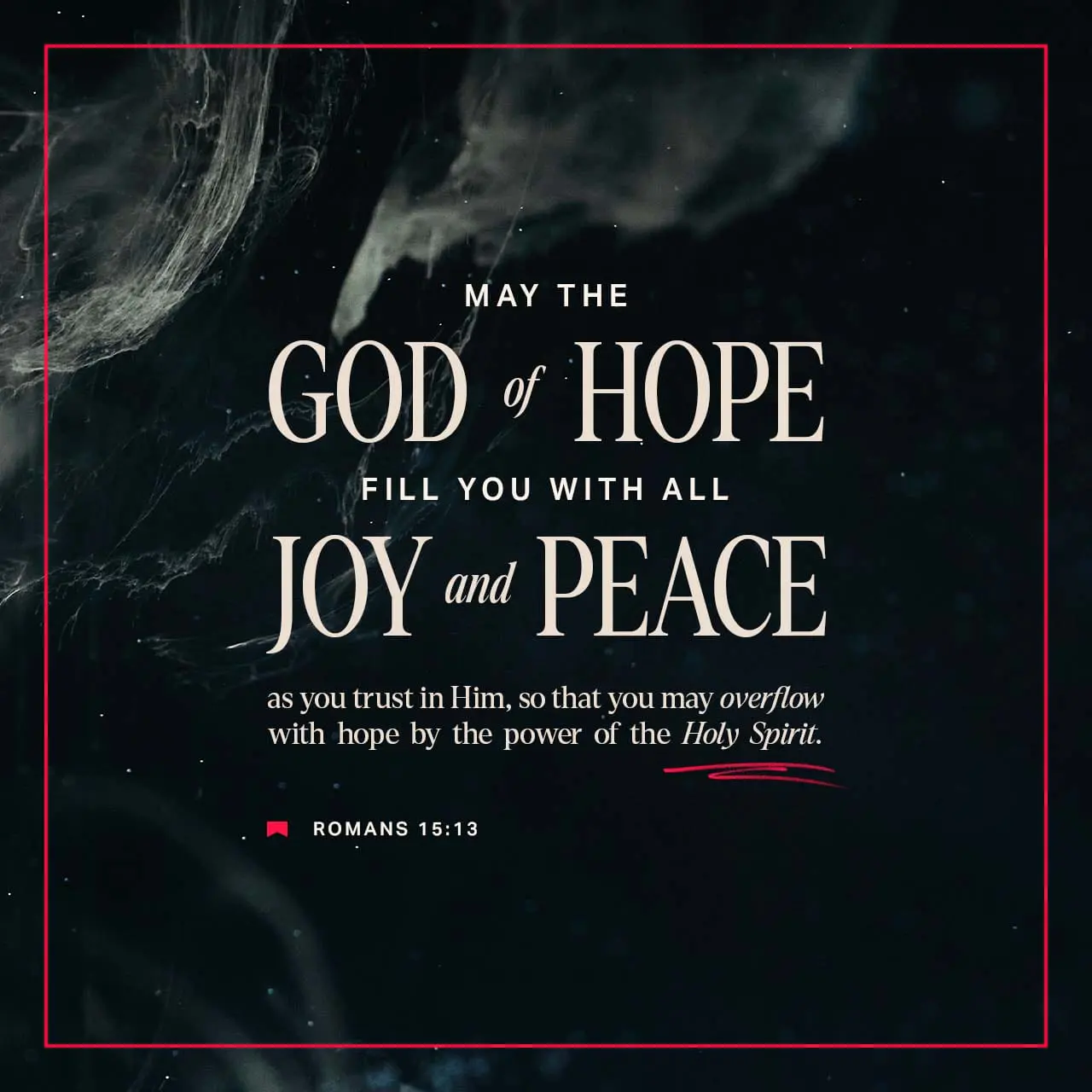
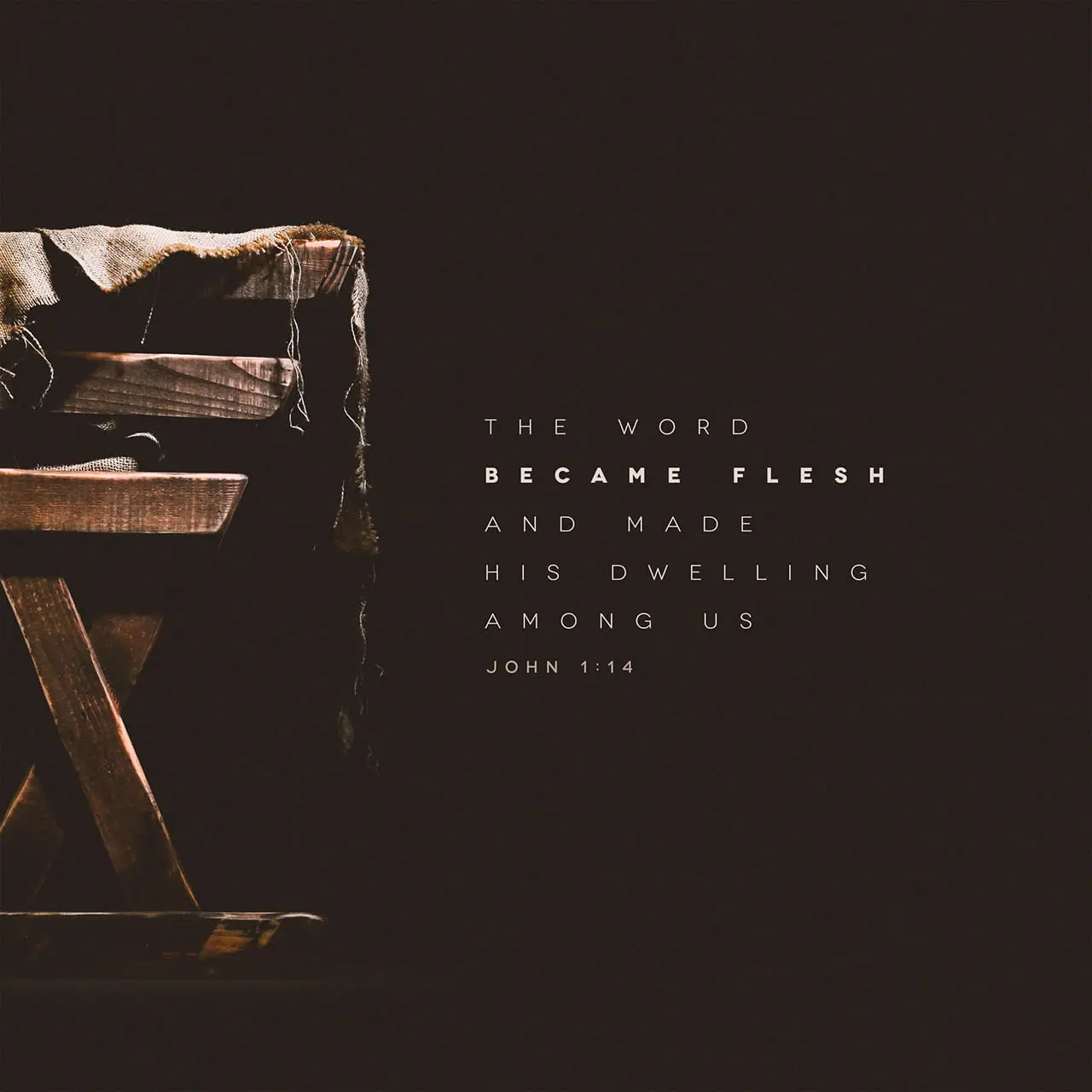
How Much Does God Love You?

Introduction

If you’re anything like me, you may sometimes wonder things like “Where do I fit into God’s big picture?” or “How much does God really love me?’

These are questions that can feel abstract at times, especially when life is hard, when we’re facing struggles, or when we’ve made mistakes that weigh heavily on us. But Jesus painted a vivid picture of God’s love for us in one of the most tender and reassuring parables He ever told—the parable of the lost sheep.

The Parable of the Lost Sheep

In Luke 15:4-7, Jesus tells this story:

“Suppose one of you has a hundred sheep and loses one of them. Doesn’t he leave the ninety-nine in the open country and go after the lost sheep until he finds it? And when he finds it, he joyfully puts it on his shoulders and goes home. Then he calls his friends and neighbors together and says, ‘Rejoice with me; I have found my lost sheep.’ I tell you that in the same way there will be more rejoicing in heaven over one sinner who repents than over ninety-nine righteous persons who do not need to repent.”

Jesus, in Luke 15:4-7 (NIV)

This parable illustrates the heart of God for you and for me. Like the shepherd who leaves the ninety-nine to find the one lost sheep, God pursues us relentlessly, driven by a love so deep that He will not stop until we are safely back in His care.

God’s Love Is Personal

What’s striking about this story is how personal it is. The shepherd doesn’t just hope the lost sheep will find its way back to the fold. He doesn’t shrug his shoulders and say, “Well, I still have ninety-nine others.” No, he actively goes out, searching until he finds it.

That’s how much God loves you. You’re not just one in a crowd. You’re not lost in the shuffle. He sees you. He knows you. And He loves you enough to leave the rest of the flock behind to bring you home. This is God’s relentless love—a love that pursues us no matter how far we’ve wandered.

We Still Tend to Wander

Even after we’ve been found by God, we still have a tendency to wander. We stray into distractions, temptations, or even self-reliance, thinking we can handle life on our own. But just as the shepherd goes after the sheep that strays, God comes looking for us again and again, drawing us back to Himself with gentle, unwavering love.

This is a picture of grace. It’s a love that isn’t earned or deserved but freely given—a love that persists even when we falter.

How Much Does Jesus Love You?

If you ever wonder how much Jesus loves you, let this parable be your answer: He loves you enough to leave the ninety-nine just to find you. He loves you enough to carry you on His shoulders when you’re too lost, hurt, or broken to make it back on your own. He rejoices over you when you return, celebrating your presence in the fold.

The Apostle Paul captures the magnitude of this love in Romans 8:38-39:

For I am convinced that neither death nor life, neither angels nor demons, neither the present nor the future, nor any powers, neither height nor depth, nor anything else in all creation, will be able to separate us from the love of God that is in Christ Jesus our Lord.

Romans 8:38-39 (NIV)

Nothing can separate us from God’s love—not our mistakes, not our failures, not even our wandering hearts. Thanks be to God.

A Love That Calls Us Home

As we reflect on this parable, let’s take time to marvel at the love of God—a love that pursues us, finds us, and brings us back home. Whether you’re feeling lost or found today, know this: God’s love for you is constant and unchanging. He rejoices over you, and He will never stop pursuing your heart.

The next time you wonder how much God loves you, remember the parable of the lost sheep. He left the ninety-nine to find you, and He would do it all over again. He does it every time you or I wander off.

Conclusion

This week, take a moment to rest in the knowledge of God’s unfailing love. Let it fill your heart with peace and joy, knowing that you are deeply valued and cherished by the Creator of the universe. And if you find yourself wandering, don’t hesitate to call out to Him. He’s already on His way to find you, to welcome you with open arms, to carry you back home.

Take some time today and this week to reflect on how God has pursued and loved you. Perhaps reread Luke 15:4-7, or write down moments in your life when you’ve felt God drawing you back to Him. Share this encouragement (or this blog) with someone who might need it, reminding them of God’s relentless love for each of us. Let’s be messengers of His grace and hope.

Posted in Bible Study and Devotion, Biblical insights, Biblical Teachings, Christian, Christian encouragement, Christian Living, Daily Devotional, Devotional Reflections, Encouragement, Faith, Faith and Encouragement, Faith and Grace, Faith and Inspiration, Faith and Spiritual Growth, Faith and Spirituality, Faith and Trust, Faith Reflections, God's love, God's provision, Grace and Redemption, Hope, Inspirational, Jesus's teachings, Personal Reflection, Spiritual Encouragement, Spiritual Growth, Spiritual Reflection, Trust in God | Tagged , , , , , , , , , , , , , | 1 Comment

Gazing into the Future: Trusting God in the Present Moment

Introduction

We have a tendency to gaze into the future with a mix of hope and apprehension. It’s natural to think ahead, planning for what’s to come and trying to anticipate challenges. But sometimes, those thoughts come with questions and concerns: Will I have enough? Enough time, energy, money, or resources to face what lies ahead? What if the challenges outpace my ability to handle them?

These concerns are rooted in our human limitations. Try as we might, we cannot see the future. But when we attempt to venture into the days ahead before they arrive, we go there without God.

A Future Without God?

But why is that? God walks with us moment by moment through our days, meaning that He is only there with us when we are actually there in the moment.

It’s ironic because God is timeless. He lives outside of time. All days occur simultaneously for Him. And yet, since we’re not there in those future moments until the time arrives, God is not with us.

So why do we try to live in the future, knowing that God isn’t part of the equation? I think it’s a matter of trust. We try to plan and prepare for every possibility because we’re not convinced that God is going to come through for us.

But Jesus reminds us of the futility of living like this when He says:

Borrowed from YouVersion

Jesus calls us to live in the present and to trust that God will meet us there. Trying to live in a future that doesn’t exist burdens our hearts and draws us away from the blessings and opportunities of today. When we spend too much time gazing into the future, we risk missing out on God’s provision in the here and now.

God’s Timeless Presence

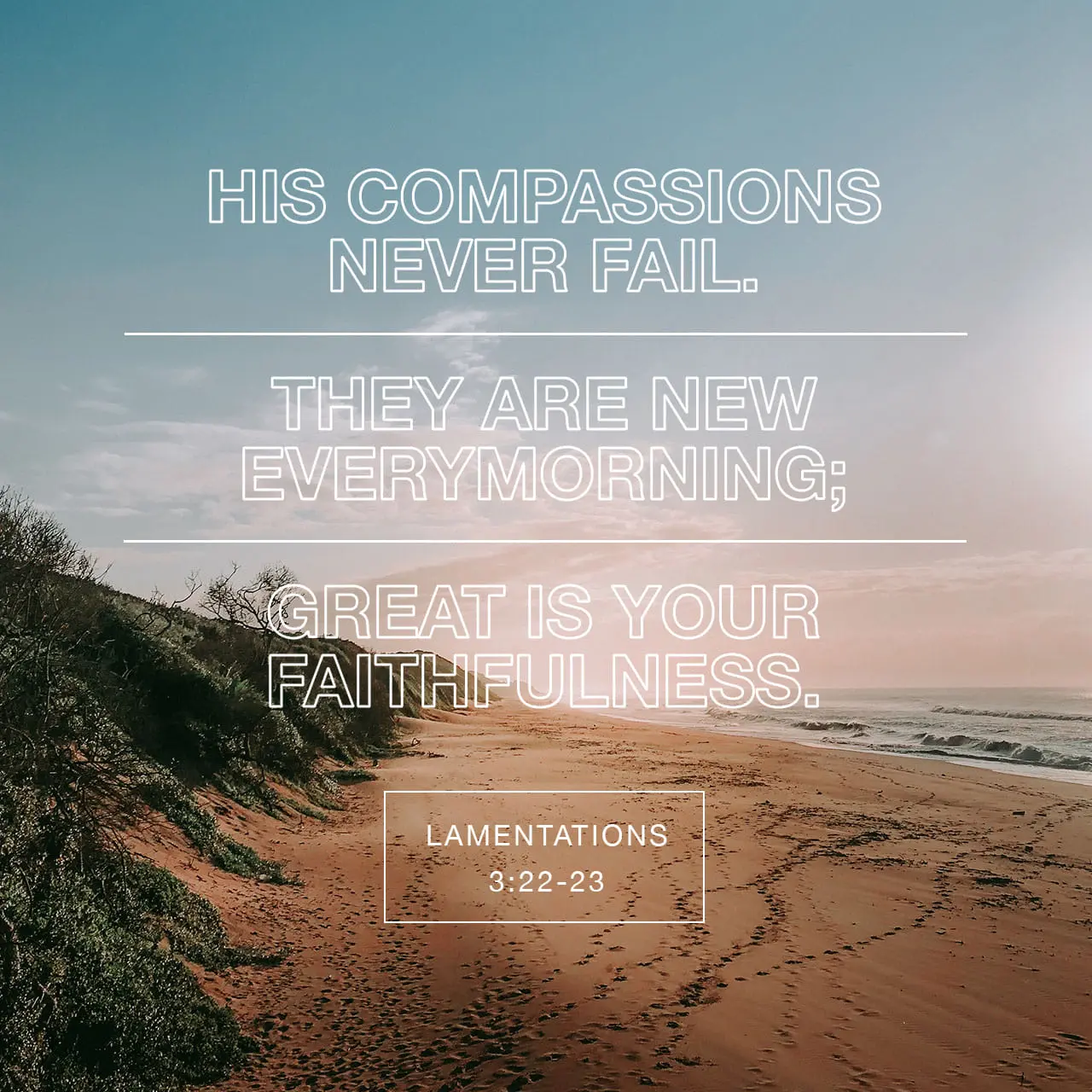
Scripture is filled with reminders of God’s faithful provision in the present. For example, in Lamentations 3:22-23, the prophet Jeremiah writes:

Borrowed from YouVersion

God gives us fresh mercies every day, not all at once for the entirety of our lives. He wants us to depend on Him moment by moment, trusting that He will provide for tomorrow just as He provides for today and has provided for us in days gone by.

The story of manna in the wilderness illustrates this beautifully. As the Israelites wandered through the desert, God provided manna for them to eat each day. But He gave them only enough for that day. If they tried to store it for the future, it would spoil. God was teaching them (and us) to trust Him daily, to believe that He would provide tomorrow just as He did today. The manna turning rotten when they tried to save it was God’s way of pointing out, “I’m not in your tomorrow. I am in your today. On this day, I will provide for you.”

Then the Lord said to Moses, “‘I will rain down bread from heaven for you. The people are to go out each day and gather enough for that day.”

Exodus 16:4a (NIV, emphasis added)

Thankfully, tomorrow eventually becomes today.

Learning to Trust God in the Present

Trusting God in the present requires a shift in perspective. Instead of focusing on what might happen or what resources we think we’ll need in the future, we can focus on God’s promises:

  1. God Will Be With Us
    God promises to be with us every step of the way. In Isaiah 41:10, He says:

“So do not fear, for I am with you; do not be dismayed, for I am your God. I will strengthen you and help you; I will uphold you with my righteous right hand.”

The God who walks with us today will walk with us tomorrow. We don’t need to worry about the future because we are never alone.

  1. God Will Provide
    Jesus reassures us of God’s provision in Matthew 6:31-33:

“So do not worry, saying, ‘What shall we eat?’ or ‘What shall we drink?’ or ‘What shall we wear?’ For the pagans run after all these things, and your heavenly Father knows that you need them. But seek first his kingdom and his righteousness, and all these things will be given to you as well.”

When we prioritize God and His kingdom, He promises to provide for our needs.

  1. God’s Plans Are Good
    Jeremiah 29:11 reminds us of God’s loving plan for our lives:

“For I know the plans I have for you,” declares the Lord, “plans to prosper you and not to harm you, plans to give you hope and a future.”

The future is not something to fear but something to trust God with.

As we venture further into this new year, let’s make a commitment to live in the present with God. Instead of anxiously living in a non-existent future, wondering if we’ll have enough, let’s focus on the God who is here with us now, guiding us into the real future. Let’s trust Him to provide for us one day at a time, knowing that His grace is sufficient for every moment.

The Call to Live in the Present

The next time you find yourself wandering off into days that don’t exist, remember these truths: even though God is timeless, He is with you only in the present moment, meeting your current needs. Take a deep breath, whisper Jesus’s name, and bring your thoughts back to now. Invite Him to join you in your current moment.

In doing so, we can replace worry with peace, anxiety with trust, and fear with the confidence that the same God who has been faithful in the past will continue to be faithful in the future.

Posted in Biblical insights, Biblical Teachings, Christian, Christian encouragement, Christian Living, Daily Devotional, Dependence on God, Devotional Reflections, Faith and Dependence, Faith and Encouragement, Faith and Inspiration, Faith and Spiritual Growth, Faith and Trust, Faith Reflections, God's provision, Inspirational, Overcoming Worry, Personal Growth, Personal Reflection, Spiritual Encouragement, Spiritual Growth, Spiritual Reflection, Trust in God | Tagged , , , , , , , , , , , , , , , , , , , | 2 Comments

Humility to Let God Lead

Introduction

As we crossed over into a new year, I spent a bit of time considering ways to improve my life and continue to deepen my relationship with God (which are really the same thing, now that I think about it). As I have looked ahead, this also involved looking back to similar calendar changes throughout my life. Looking back, I can see countless times when God showed up in ways that I didn’t expect, often at moments when I had reached the end of my own abilities. In those moments, I was reminded of a truth that’s easy to forget: God is always working for our good, even when we can’t see the way forward. The key is learning to step aside and let Him lead. And that takes humility.

If you’re anything like me, you may have a tendency to make plans and then ask God to bless them. It’s natural—we fool ourselves into thinking that we are in control. But what if, instead of asking God to follow our lead, we asked Him to show us His path? What if we let go of our own agendas and allowed Him to direct our steps?

God Makes a Way Where There Is No Way

Scripture is filled with examples of God making a way where no way seemed possible. One of the most dramatic examples comes from the story of the Exodus. The Hebrews, fleeing slavery in Egypt, found themselves trapped between the Red Sea and Pharaoh’s advancing army. It must have seemed like an impossible situation. But God had a plan. In Exodus 14:21-22, we read:

Then Moses stretched out his hand over the sea, and all that night the Lord drove the sea back with a strong east wind and turned it into dry land. The waters were divided, and the Israelites went through the sea on dry ground, with a wall of water on their right and on their left.

Exodus 14:21-22 (NIV)

God didn’t just provide an escape—He provided a miraculous path forward that no one could have anticipated. He made a way when there was no way.

Later, during their desert wanderings, the Israelites faced a different challenge: thirst. They had no water, and once again, it seemed like there was no way forward. But God provided. In Exodus 17:6, God instructed Moses:

“I will stand there before you by the rock at Horeb. Strike the rock, and water will come out of it for the people to drink.”

Exodus 17:6 (NIV)

And water did flow from the rock, sustaining the people in their journey.

These stories remind us that God is not limited by the obstacles we see. Where we see barriers, He sees opportunities to show His power and faithfulness. But in order to experience His provision, we must first be willing to step aside and let Him lead.

Letting Go of Control Requires Humility

Humility is not something that comes easily for most of us, and I’m no exception. It requires us to admit that we don’t have all the answers and that we can’t do it all on our own. It asks us to surrender our plans and trust that God’s plans are better. Easier said than done, I know.

Proverbs 3:5-6 reminds us of this:

Borrowed from YouVersion

Submitting to God means more than just asking Him to bless our plans. It means seeking His will first and trusting that He will guide us—even when the way forward is unclear.

Practical Steps to Let God Lead

If you’re wondering how to let God take the lead in your life, here are a few things that have come to mind as I’ve pondered how to do better about this in my own life:

  1. Pray for Guidance: Instead of asking God to bless your plans, ask Him to show you His plans. Pray for clarity, wisdom, and the courage to follow where He leads.
  2. Pause and Listen: We often fill our prayers with words but forget to take time to listen. Spend time in quiet reflection, reading or listening to Scripture, and seeking His voice.
  3. Surrender Daily: Letting go of control is not a one-time event—it’s a daily decision. Sometimes, it even involves surrendering yourself to God’s will multiple times throughout a single day. Each morning, ask God to guide your steps and help you trust Him with the outcome.
  4. Look for God’s Hand: As you move through life, pay attention to the ways God is working around you. Often, His leading becomes clear in hindsight when we look back and see how He orchestrated events for our good. Although journaling has never really been my thing, I know people who use that technique to help them remember times in their lives when God has come through for them when they thought all hope was lost.

God’s Plans Are Always Better

Jeremiah 29:11 reminds us of God’s promise:

Borrowed from YouVersion

When we humble ourselves and allow God to take the lead, we align ourselves with His plans—plans that are always for our good, even if they don’t unfold the way we expect.

Conclusion: Let God Take the Lead

This new year, let’s resolve to let God take the lead in our lives. Instead of charging ahead with our own plans, let’s seek His will and trust Him to make a way. Remember, He is the God who parts seas and brings water from rocks. He is able to do immeasurably more than we could ever ask or imagine (Ephesians 3:20).

So I invite you to join me in taking a step back and surrendering your plans, letting God guide you. It’s not always easy, but when we trust Him, we discover that His way is always the best way.

Posted in Bible Study and Devotion, Biblical insights, Biblical Teachings, Christian, Christian encouragement, Christian Living, Daily Devotional, Dependence on God, Encouragement, Faith, Faith and Dependence, Faith and Encouragement, Faith and Inspiration, Faith and Resilience, Faith and Resilliance, Faith and Spirituality, Faith and Trust, Faith Reflections, God's love, God's provision, Hope, Inspirational, Navigating Life's Challenges, New Year 2025, New Year Reflections, Overcoming Challenges, Personal Growth, Personal Reflection, Prayer and faith, Self-Improvement, Spiritual Encouragement, Spiritual Growth, Spiritual Reflection, Trust in God | Tagged , , , , , , , , , , , , , , , , , , | Leave a comment

Bring Your Shattered Resolutions to Jesus

Introduction

As we head into a new year, many of us take the opportunity to set bold resolutions for our lives. We commit to exercising more, eating healthier, reading the Bible daily, or finally attending church regularly. The excitement of a fresh start inspires grand plans for change.

But as many of us know from experience, these resolutions often falter before the calendar flips to February. Gyms that were crowded in January thin out by mid-February, and the goals that once felt so achievable begin to feel like burdens. When our resolutions break, it can leave us feeling disappointed, discouraged, or even defeated.

God Knows Our Struggles

The truth is, God knows that this is our nature. He knows that life is hard, that we set goals and fall short, and that our best efforts often falter. But God does not condemn us for our failures—instead, He offers us grace.

In Psalm 103:14, we are reminded of this compassionate truth:

“For he knows how we are formed, he remembers that we are dust.”

Psalm 103:14 (NIV)

God is not surprised when we stumble. He understands our weaknesses, and through Jesus, He offers forgiveness and the strength to move forward.

Jesus: The One Who Picks Up the Pieces

When our resolutions fall apart, whether it’s in January or months later, we have a Savior who specializes in restoring broken things. Jesus invites us to bring our shattered dreams and efforts to Him, to find a way forward.

In Matthew 11:28-30, Jesus invites us:

“Come to me, all you who are weary and burdened, and I will give you rest. Take my yoke upon you and learn from me, for I am gentle and humble in heart, and you will find rest for your souls. For my yoke is easy and my burden is light.”

Matthew 11:28-30 (NIV)

Jesus doesn’t expect perfection. He invites us to lean on Him, to trust Him with our struggles, and to walk with Him as we seek to live lives that honor God.

What’s Worked Better for Me: Building Small Habits That Last

One of the reasons resolutions often fail is that they’re too big, too vague, or not paired with realistic plans for success. Instead of making sweeping resolutions, what if we focused on small, manageable changes that build over time?

James Clear, in his book Atomic Habits, emphasizes the power of small habits. He writes:
“You do not rise to the level of your goals. You fall to the level of your systems.”

Rather than resolving to “read the Bible more,” for example, we might start by committing to read just one verse each morning. Or instead of deciding to “exercise every day,” we could commit to 10 minutes of stretching or walking each morning. These small habits, when repeated consistently, grow into transformative changes.

An Example of a Small, Faithful Habit

As an example from my own life, I once resolved to be in God’s Word more. It was an admirable goal, and I managed to go quite a while reading a chapter a day in the Bible. But I was unable to reach the point where it turned into a regular habit. Inspired by the concept of small habits as well as Clear’s idea of “habit stacking” (building a good habit by combining it with something you’re already doing), I started listening to the #Daily Audio Bible during my commute to work (before I started working from home). When I shifted to remote work, I combined my daily Bible journey with my morning walk/hike. This small shift turned habit has enabled me to deepen my relationship with God and His Word.

The Call to Action: Turn to Jesus

So, if and when your resolutions falter, don’t despair. Instead, turn to Jesus. He stands ready to forgive, to guide, and to help us pick up the pieces. Ask Him for strength to try again, for wisdom to create a plan, and for grace to persevere.

In Philippians 4:13, Paul reminds us:

Borrowed from YouVersion

As you head into 2025, consider focusing on building small, positive habits rather than grand, sweeping resolutions. And remember, whether your efforts succeed or fail, Jesus is with you. He loves you, and He wants to help you live a life full of meaning, joy, and peace.

Conclusion

This coming year, let’s approach our goals with humility and hope. Let’s rely on God’s grace rather than our own strength, and let’s remember that small steps taken consistently can lead to great progress. There’s a well-known proverb (attributed to a variety of sources, including Ralph Waldo Emerson and Mahatma Gandhi) that goes like this:

“Sow a thought, and you reap an action; sow an action, and you reap a habit; sow a habit, and you reap a character; sow a character, and you reap a destiny.”

Unknown

It’s obviously important to try to grow and improve ourselves, but it’s also important for us to remember that when our efforts falter, we should bring our shattered resolutions to Jesus. He is the one who restores, redeems, and walks with us through every season.

May your 2025 be filled with the peace and strength that come from walking with Him.


Note Regarding Header Image: Photo by Michael Pointner on Unsplash

Posted in Bible Study and Devotion, Biblical insights, Biblical Teachings, Christian, Christian encouragement, Christian Living, Daily Devotional, Encouragement, Faith and Encouragement, Faith and Inspiration, Faith Reflections, Hope, Inspirational, Life Challenges, New Year 2025, New Year Reflections, Overcoming Challenges, Personal Reflection, Self-Improvement, Spiritual Encouragement, Spiritual Growth, Spiritual Reflection | Tagged , , , , , , , , , , , , , , , , , | Leave a comment

Guess How Much I Love You

There’s a book I used to read to my kids when they were young, and that I now read to my grandchildren, called “Guess How Much I Love You” by Sam McBratney and Anita Jeram. In it, Big Nutbrown Hare stretches out his arms as wide as he can in order to show Little Nutbrown Hare how much he loves him. “I love you this much!” he says.

Well, here’s God saying to us, “Guess how much I love you.”

“I love you this much,” Jesus tells us, stretching out His arms as wide as they can go.

This rescue, this demonstration of sacrificial love, began 33 years earlier when Jesus left heaven to appear among us as a helpless baby. “I love you this much, too,” He tells us.

Merry Christmas, my friends. May God’s hope, peace, joy, and love infuse your Christmas, and the days beyond.

Posted in Uncategorized | Leave a comment

The Love of Christmas

Introduction

Christmas is a time of joy, hope, peace, and celebration, but at its heart lies the most important theme of all: love. The story of Christmas is the story of sacrificial love—a love so deep and enduring that it changed the course of history. It changed my life, and probably yours, too. This love is woven throughout the events leading up to the birth of Jesus, expressed in the lives of Mary, Joseph, and Jesus Himself.

Let’s reflect on the sacrificial love in the Christmas story and consider how it can inspire us to love more deeply, selflessly, and courageously.


Mary: A Mother’s Love

When the angel Gabriel appeared to Mary, his message was strange and startling:

“Do not be afraid, Mary; you have found favor with God. You will conceive and give birth to a son, and you are to call him Jesus.”

Luke 1:30-31 (NIV)

On a side note, I am always amused with the depiction of angels in Christmas decor and plays. They are usually gentle-looking, tame, like cherubic children. The reality of their appearance must be much different from that, though, because the first thing they always say to people who see them is, “Don’t be afraid!” I assume from this that they must be terrifying to behold.

Anyway, back to Mary and her encounter with Gabriel. Mary was a young woman—likely a teenager—when she received this shocking assignment. She could have doubted, or maybe even refused. She could have allowed fear to overshadow her faith. But instead, she responded with incredible humility and obedience:

“I am the Lord’s servant,” Mary answered. “May your word to me be fulfilled.”

Luke 1:38 (NIV)

Despite the fear, uncertainty, and potential social fallout, Mary chose to trust God. And based on my experience with pregnant women, I am confident that Mary’s love for Jesus began to grow as soon as she recovered from the shock of Gabriel’s visit. As her body began to nurture the mysterious baby growing inside her, Mary embraced her role as His mother. Her love for Jesus became a picture of the tender, sacrificial love that defines motherhood.


Joseph: A Protector’s Love

Joseph faced an equally challenging test of love. When he learned that his fiance was pregnant, he could have publicly exposed her, protecting his own reputation. Instead, he chose a path of grace and courage. After an angel appeared to him in a dream, Joseph embraced the unbelievable truth that Mary’s child was conceived by the Holy Spirit.

“Joseph son of David, do not be afraid to take Mary home as your wife, because what is conceived in her is from the Holy Spirit. She will give birth to a son, and you are to give him the name Jesus, because he will save his people from their sins.”

Matthew 1:20-21 (NIV)

Instead of protecting himself, Joseph chose to shield Mary from shame and danger, even at great personal risk. In a culture where their situation could have made them social outcasts—or worse—Joseph protected Mary and lovingly stepped into the role of earthly father to a child who was not biologically his. Out of love, he accepted what must have been a daunting assignment. I mean, how do you raise a child who was conceived by the Holy Spirit? Joseph’s selflessness and commitment stand as an excellent example of love in action.


Jesus: The Ultimate Sacrifice

Of all the examples of sacrificial love in the Christmas story, none compares to the love of Jesus. Before His birth, Jesus existed in perfect unity with God the Father and the Holy Spirit, dwelling in heaven—a place of complete peace and joy, untouched by pain or evil or sin. Yet He willingly left all of that behind to come to earth as a helpless baby.

Think about what this meant. The Creator of the universe humbled Himself to take on human flesh, relying on His earthly parents for survival and enduring the struggles of human life. As Paul writes in Philippians:

“Who, being in very nature God, did not consider equality with God something to be used to his own advantage; rather, he made himself nothing by taking the very nature of a servant, being made in human likeness.”

Philippians 2:6-7 (NIV)

Jesus’ birth was just the beginning of His sacrificial journey. He knew the path ahead would lead to rejection, suffering, and ultimately the cross. Yet He came anyway, motivated by His boundless love for humanity, for you and for me. While He was here, He reminded His friends (including you and me):


Love Came to Live Among Us

The Christmas story is a powerful reminder that God Himself is the source of all love. As the Apostle John tells us:

“Dear friends, let us love one another, for love comes from God. Everyone who loves has been born of God and knows God. Whoever does not love does not know God, because God is love.”

1 John 4:7-8 (NIV)

Through Mary, Joseph, and Jesus, we see love lived out in ways that challenge us to reflect on our own lives. Their stories call us to consider how we can embody sacrificial love in our relationships, our communities, and our world.


Reflect on Love

As we prepare to celebrate Christmas, in spite of the extreme busyness of these days, we should take a few moments to reflect on these extraordinary examples of love. Let’s also consider the ways we’ve experienced love in our own lives. Who has shown you sacrificial love? Who has inspired you to love bigger and bolder? How can you live into that, in big and small ways, as you go about the next few days, and the days, weeks, and months beyond Christmas?

The love of Christmas is not just a cute little story for a kids’ Christmas play—it’s a reality we’re invited to fold into the way we lead our lives. God’s love for us, demonstrated in the life and sacrifice of Jesus, empowers us to love others with courage and selflessness.


Conclusion

The love of Christmas is a love that changes everything. It’s the love of a young mother saying “yes” to God’s plan, of an earthly father offering protection and grace, and of a Savior leaving the glory of heaven to rescue us. This is the love we celebrate at Christmas—a love that transforms hearts and brings light into the darkest places.

This season, let’s slow down in the midst of the busyness and reflect on the love that came to live among us. Let’s celebrate the good in this mostly evil world, remembering that God’s love is greater than any darkness we face. And let’s share that love with others, letting it shine brightly as a beacon of hope.

I would like to carry the love of Christmas with me, not just on December 25th but every day. How about you? We need to remember that God’s love is not ours to keep, but something we must share generously. God will give us more. May we be inspired by Mary’s trust, Joseph’s courage, and Jesus’ sacrifice to love others boldly and selflessly. For in loving others, we reflect the heart of God, who is love.

Will you share your own stories or reflections of love in the comments?

Posted in Advent & Christmas, Advent Reflections, Biblical insights, Biblical Teachings, Christian, Christian encouragement, Christian Living, Christmas, Daily Devotional, Encouragement, Faith, Faith and Encouragement, Faith and Inspiration, Faith and Joy, Faith Reflections, God's love, Hope, Inspirational, Jesus and the Gospel, Jesus's teachings, Joy, Love and Sacrifice, Personal Reflection, Spiritual Encouragement, Spiritual Growth, Spiritual Reflection, Trust in God | Tagged , , , , , , , , , , , , , , , , , , | 1 Comment

The Joy of Christmas

Introduction

As we journey through Advent, preparing our hearts for Christmas and the arrival of the Christ child, the theme of joy weaves itself through our celebrations. We sing it in carols, see it in decorations, and hear it in Christmas greetings. People generally seem a little bit nicer during this time. But what is this joy we celebrate? Is it the same as happiness, or is it something deeper?

Let’s reflect on the difference between happiness and joy, and the boundless well of joy that is ours in Christ this season and every day.


Happiness vs. Joy

Happiness can be fleeting. It’s a response to favorable circumstances—receiving a thoughtful gift, enjoying time with loved ones, or seeing your favorite sports team win. While happiness is a wonderful feeling, it’s mostly tied to our external environment, making it fragile. When circumstances change, happiness can quickly dissipate.

Joy, on the other hand, runs much deeper. It’s not dependent on what’s happening around us but flows from a wellspring within us.

My Dog Named Happy

I have a golden doodle dog I named Happy. This name suits her (I think dogs tend to live into the names we give them), but I sometimes wonder if I should have named her Joy instead. Here’s why I say that. There’s a little park we pass through on our daily walks. Since there’s never anyone around at that park early in the morning when we’re there, and since she’s a well-trained dog, I allow her a little time to run free, off her leash. As soon as I release her, she runs in crazy circles, flinging her cares to the wind. When she’s running with such reckless abandon, the French phrase Joie de vivre always pops into my head. It translates to “joy of living” or “joy of life.” It refers to a cheerful enjoyment of life, an exuberant attitude, or a zest for life that is marked by an enthusiastic appreciation for the present moment and all its experiences.

Happy the Smiling Dog

I try to live like that, but I don’t always succeed like Happy does. I want to carry with me throughout each day an infectious optimism. I want to always delight in simple pleasures, relationships, and the beauty of everyday life. Such joy is not tied to material wealth or external achievements but rather a deep sense of gratitude, contentment, and passion for living.

For followers of Christ, joy like this is available to us. It is a deep well that comes from knowing we are loved, even on our worst day. It results from recognizing that God doesn’t condemn us—on the contrary, He saved us by sending us His Son. It is rooted in the unchanging nature of God’s promises rather than the shifting tides of life. God holds us and our futures in His strong, capable hands. When I think of that, I feel like running around in crazy circles myself.

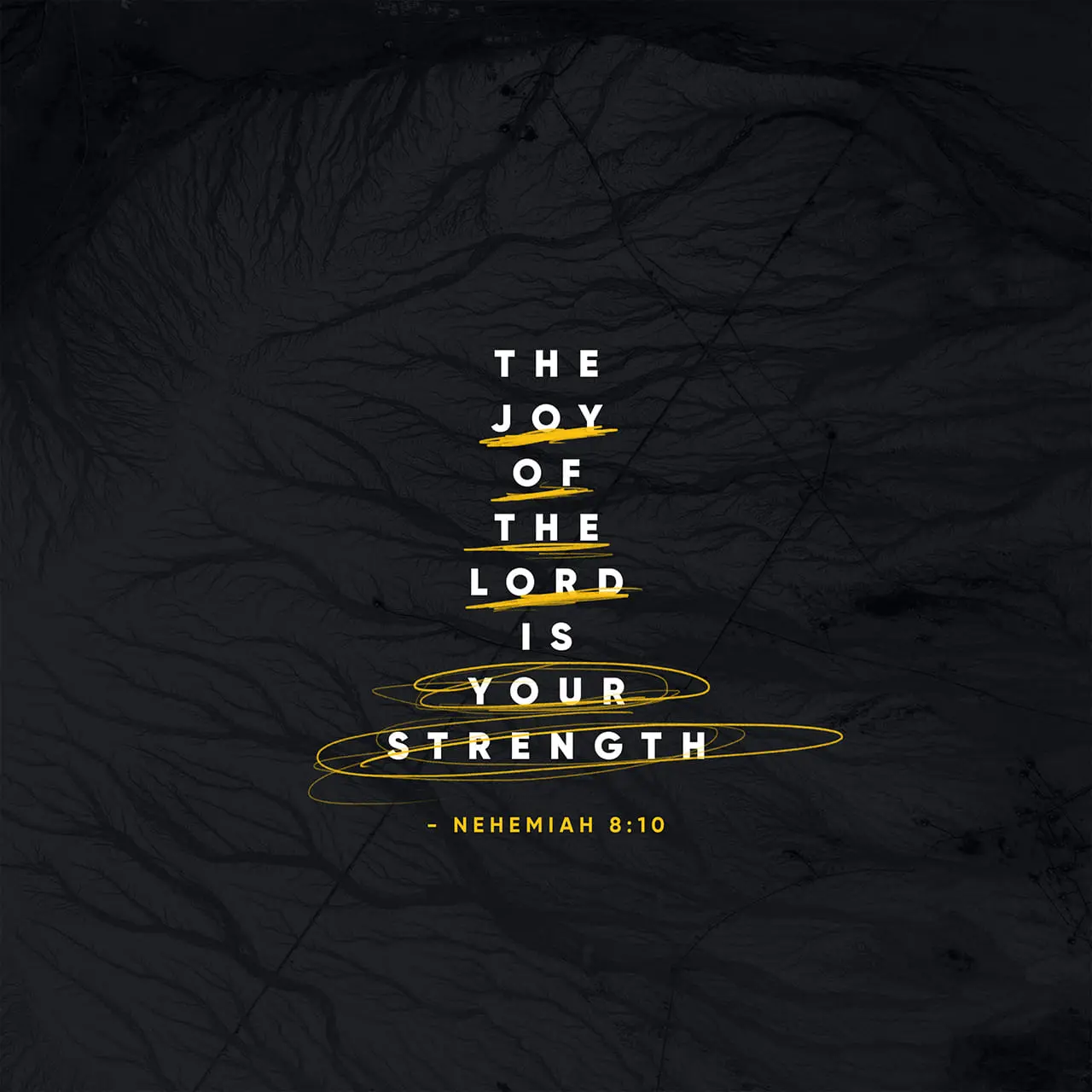
Nehemiah reminds us of the deep truth of the joy of life with God when he writes:

Borrowed from YouVersion

Joy is more than a fleeting emotion—it is a source of strength that sustains us through life’s valleys and peaks.


The Deep Well of Joy in Christmas

At Christmas, we have every reason to rejoice because we celebrate the coming of our Savior. The baby born in Bethlehem is not just a tender child in a manger; He is the fulfillment of God’s promise to save us. This truth is the foundation of our joy, a joy that nothing in this world can take away.

The angel declared this profound joy when announcing Jesus’ birth to the shepherds:

“Do not be afraid. I bring you good news that will cause great joy for all the people. Today in the town of David a Savior has been born to you; he is the Messiah, the Lord.” (Luke 2:10-11 NIV)

The good news of Christ’s birth is the reason for the deep, abiding joy that we celebrate. This joy is not limited to Christmas Day—it is available to us every day, in every season.


Joy to the World

One of my favorite Christmas carols, “Joy to the World,” captures the essence of this joy. Isaac Watts wrote the lyrics based on Psalm 98. Verses from this psalm include:

Shout for joy to the Lord, all the earth,
burst into jubilant song with music;
make music to the Lord with the harp,
with the harp and the sound of singing,
with trumpets and the blast of the ram’s horn—
shout for joy before the Lord, the King.
Let the rivers clap their hands,
let the mountains sing together for joy…

Psalm 98:4-6, 8 (NIV)

Here’s an example of how Watts interpreted these verses:

Joy to the world, the Lord is come! Let earth receive her King; Let every heart prepare Him room, And heaven and nature sing.

“Joy to the World”, by Isaac Watts

This hymn reminds us that the joy of Christmas is not just for a select few but for the entire world. Jesus’ arrival is the fulfillment of God’s plan to redeem creation and restore it to Himself. When we sing “Joy to the World,” we proclaim the incredible truth that the King has come and His reign brings hope, peace, and joy to all who receive Him.


Living in the Joy of Christmas

For those of us who have accepted God’s gracious gift of salvation through Jesus, the joy of Christmas is not confined to the Advent season. It is a wellspring we can draw from every day. When life is challenging, when happiness feels out of reach, the joy of knowing Jesus sustains us.

As Paul writes to the believers in Philippi:

Borrowed from YouVersion

Look at that guy in the picture. If I could jump more than an inch and a half off the ground, that would be me when I think about the countless ways God has blessed me.

Joy that makes you jump like that is not based on external circumstances but on the unshakable truth of God’s love and faithfulness.


Conclusion

This Advent season, will you make room in your heart for the joy of Christmas? We should all reflect on this incredible gift: the tiny baby Jesus, the Creator of all things who put on humanity to come to earth and save us from ourselves. The Bringer of eternal joy. Whether we are singing carols, gathering with loved ones, or spending quiet moments walking with Jesus in prayer, let’s remember that the joy we celebrate is a joy that lasts—one that transcends our circumstances and anchors us in God’s promises.

May the joy of the Lord be your strength this season and every day to come. Rejoice, for the Lord is come!

Posted in Advent & Christmas, Advent Reflections, Biblical insights, Christian, Christian encouragement, Christian Living, Christianity and Mental Health, Christmas, Contentment and Gratitude, Daily Devotional, Encouragement, Faith, Faith and Encouragement, Faith and Inspiration, Faith and Joy, Faith Reflections, God's love, Grace and Redemption, Gratitude and Thankfulness, Healing and Restoration, Inspirational, Joy, Mental Health and Wellness, Overcoming Challenges, Personal Reflection, Self-Improvement, Spiritual Encouragement, Spiritual Growth, Spiritual Reflection | Tagged , , , , , , , , , , , , , , , | 1 Comment

The Peace of Christmas

As we move through the Advent season, one of the most profound gifts we are invited to reflect on is peace. Yet, if we’re honest, Christmas often feels like anything but peaceful. Between the demands of shopping, family gatherings, and year-end responsibilities, this time of year can become a whirlwind of activity that leaves us feeling anything but calm.

But what if we paused? What if, in the midst of our busyness, we took time to reflect on the peace that Jesus came to bring? This has been a great way of finding peace during Christmas throughout my life.

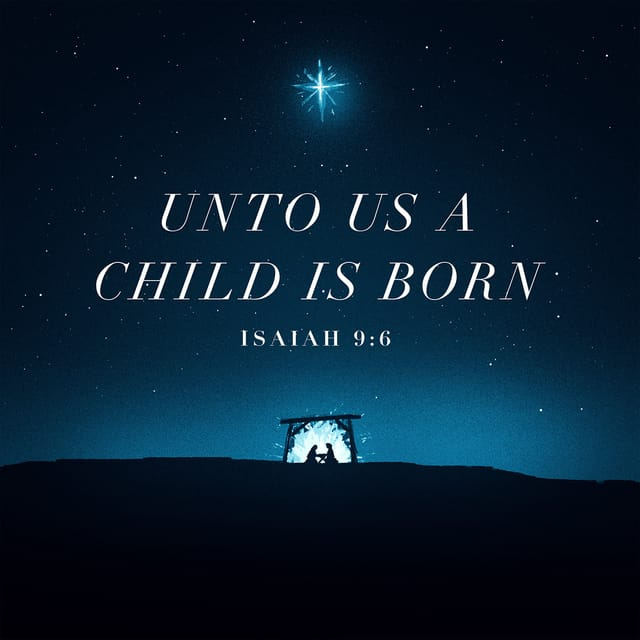
Isaiah 9:6 describes Jesus as the Prince of Peace, a title that reminds us of His ultimate mission: to reconcile us to God and offer a peace that transcends all understanding. This peace is not just a fleeting feeling or the absence of conflict. It’s a deep, abiding assurance that with Jesus on our side, there is nothing that can truly stand against us.

This is the meaning of peace in Advent.


Peace Through Jesus’ Presence

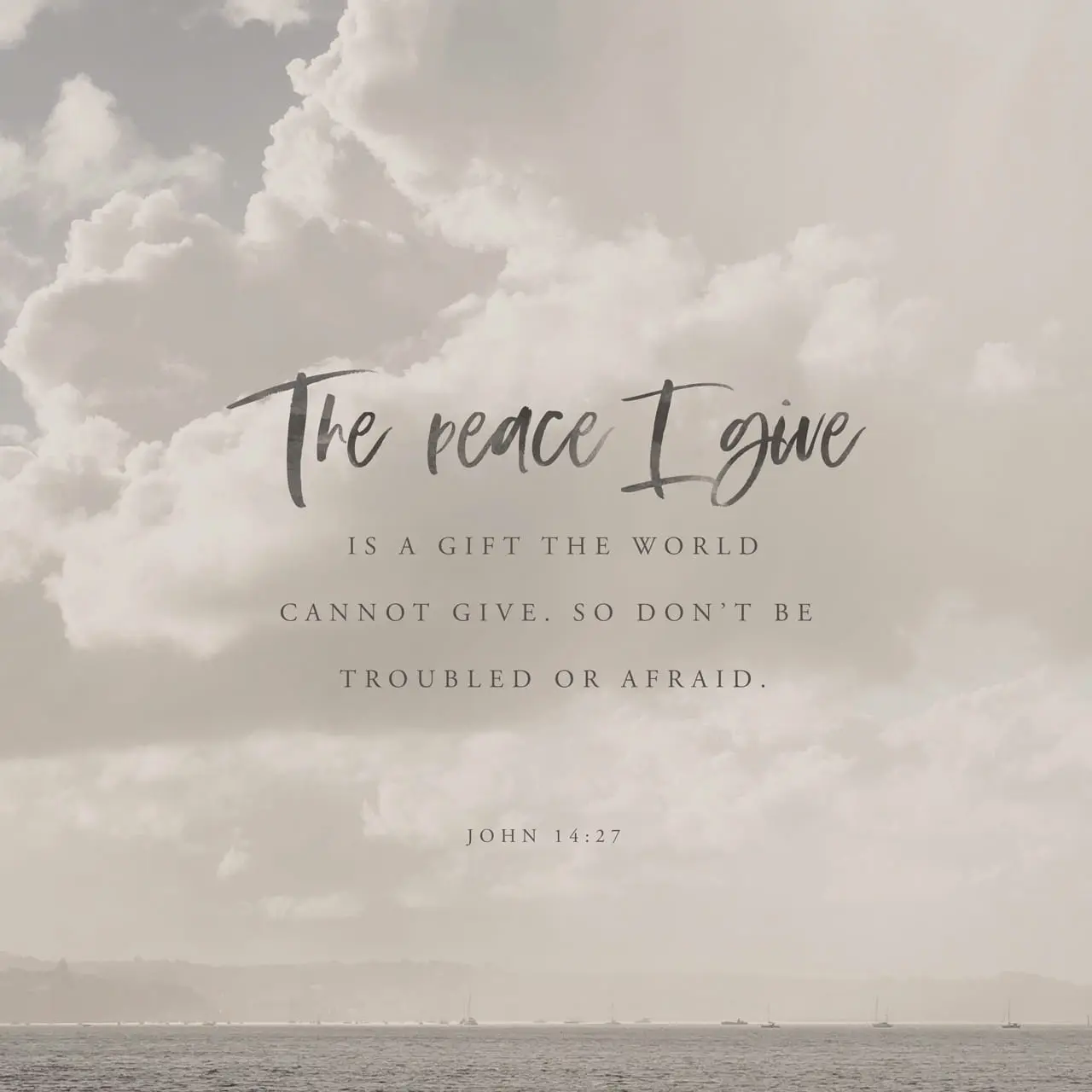
Jesus’ peace is unique because it is not dependent on our circumstances. In John 14:27, Jesus tells His disciples:

Borrowed from YouVersion

This peace is not like the temporary calm the world offers. I appreciate the calm the world offers, when it has any to offer. Today, my wife and I kayaked in Silver Springs, one of the calmest and most peaceful places I’ve been in a long time. We were blessed to be splashing around with at least a dozen manatees, not to mention many sea turtles and a wide variety of exotic birds.

Manatees at Silver Springs, FL
Great Egret at Silver Springs, FL
Painted Turtles at Silver Springs, FL

But sadly, it’s only temporary. We packed up and drove back into our regular lives.

This is nothing like the peace that Jesus offers. His peace is rooted in His presence. It’s a peace that comes from knowing that no matter what we face, He is with us and for us. We don’t have to drive a long way to find His peace, and that’s one of the beautiful things about it. We can carry it with us, if we can get out of our own way to find it within us.

Paul echoes this promise in 2 Thessalonians 3:16, saying:

Now may the Lord of peace himself give you peace at all times and in every way. The Lord be with all of you.

2 Thessalonians 3:16 (NIV, emphasis added)

Through the gift of His presence, Jesus offers us peace in every moment and every situation.


Peace Despite Challenges

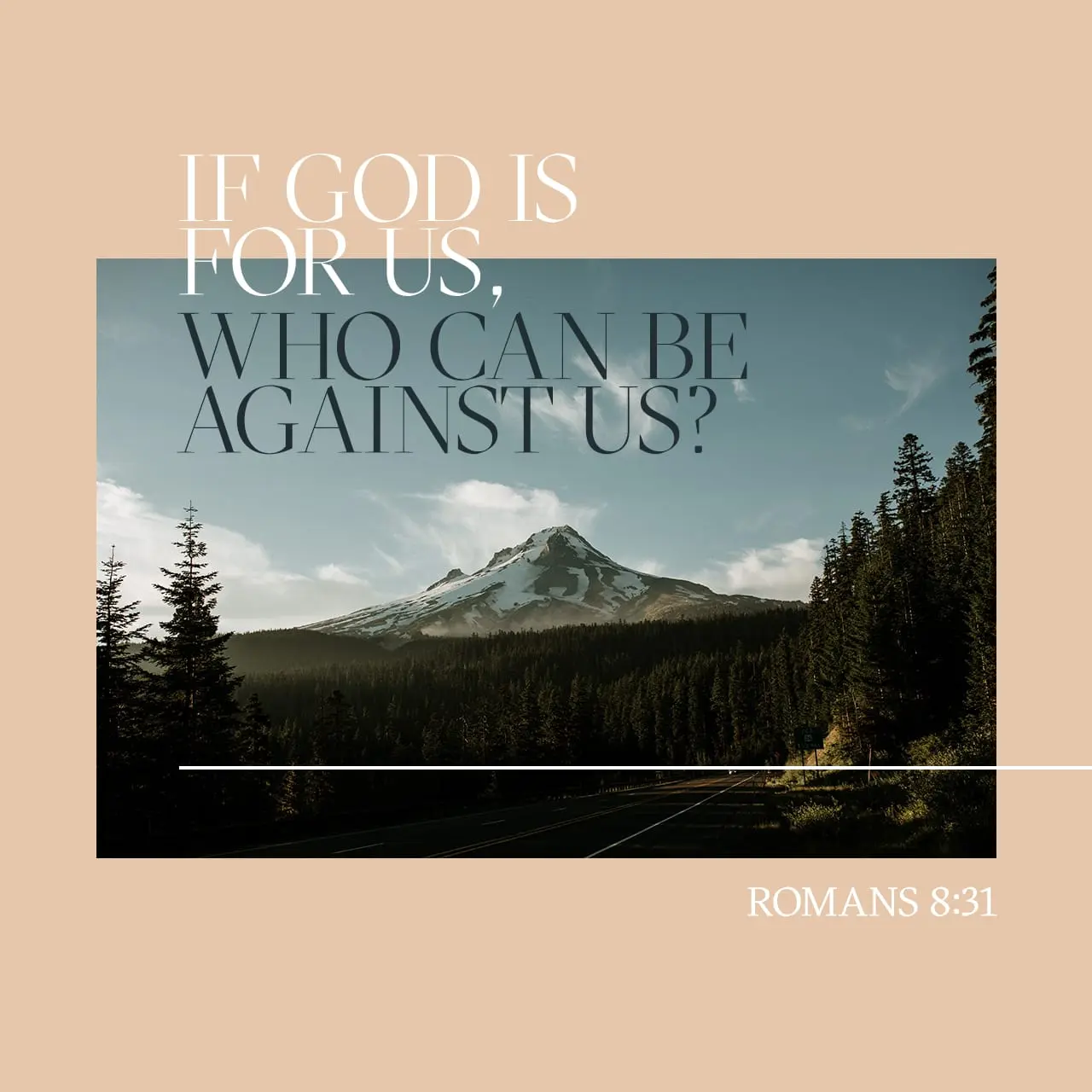
Life is rarely smooth sailing. We face trials, uncertainties, and moments of profound loss. But the peace of Christmas is a reminder that we don’t face these challenges alone. With Jesus on our side, we can live with confidence, knowing that no obstacle is too great for Him. Through his letter to the Romans, the Apostle Paul reminds us:

Borrowed from YouVersion

This truth anchors our hearts. No matter what comes our way, Jesus is our defender, comforter, and source of strength. His peace is not an absence of hardship but a presence that calms our hearts in the midst of it.

Isaiah 54:10 beautifully captures the enduring nature of God’s peace:

Though the mountains be shaken and the hills be removed, yet my unfailing love for you will not be shaken nor my covenant of peace be removed,” says the Lord, who has compassion on you.

Isaiah 54:10 (NIV)

Even when the world feels chaotic and uncertain, God’s peace remains steady.


Taking Time to Embrace His Peace

One of the great ironies of Christmas is that we rarely think of it as a season of peace. Our calendars fill up, our to-do lists grow longer, and we become consumed by the hustle and bustle of the holidays. But the peace of Christmas invites us to step away from the noise and rest in the presence of the Prince of Peace.

This season, will you make space to reflect on His peace? This has been my focus throughout the week, and I plan to continue. Whether it’s through a quiet moment of prayer, reading scripture, or simply pausing to remember that He is with us, these moments can help us reconnect with the true meaning of Christmas. Here’s something else I like to do: when a particularly meaningful Christmas song (i.e., one that actually talks about Jesus’ arrival) comes on, I take a moment to step into its peace. I imagine how I would feel if I were there on that holy, silent night. I stare into the face of the baby who came to bring me peace and save me from myself. You can use this approach to turn many Christmas songs into Christian devotions during the holidays.

Jesus didn’t come to add to our busyness—He came to bring us rest, comfort, and quiet confidence in the midst of life’s challenges. His peace isn’t just for serene moments when we can escape to a river, a garden, or a forest; it’s a daily gift that equips us to face whatever comes our way with courage and trust. This is what it means to understand Jesus as the Prince of Peace.


Conclusion

This Christmas, will you embrace the peace that Jesus offers? I have been working on this, and plan to keep it up. Let’s set aside the distractions and the demands and remember that the Prince of Peace came to reconcile us to God and give us hope for the future.

Take time this season to rest in His presence and reflect on His promises. Remember that His peace is always available to you—not just during the quiet moments but in the chaos of life as well. With Jesus on your side, there is no challenge too great and no storm too fierce.

May the peace of Christmas bring you comfort, strength, and joy—not just during this Advent season, but every day throughout the year.

Posted in Advent & Christmas, Advent Reflections, Biblical insights, Biblical Teachings, Christian, Christian encouragement, Christian Living, Christianity and Mental Health, Christmas, Comfort and Healing, Daily Devotional, Faith, Faith and Encouragement, Faith and Inspiration, Faith and Resilience, Faith and Resilliance, Faith Reflections, Inspirational, Jesus and the Gospel, Jesus's teachings, Mental Health and Wellness, Nature and spirituality, Navigating Life's Challenges, Overcoming Challenges, Personal Reflection, Spiritual Encouragement, Spiritual Growth, Spiritual Reflection | Tagged , , , , , , , , , , , , , , , , , , , , , , , , | Leave a comment

The Hope of Christmas

Introduction

As we enter the season of Advent, we often find ourselves surrounded by messages of hope. It’s in the lights decorating our homes, the songs playing in stores, and even in the wishes of good cheer exchanged between neighbors. But what exactly are we hoping for? Upon what are we placing our hope? Is your hope anchored in something lasting or something fleeting? Take a moment to consider: What are you hoping for this Christmas season?

If I’m being transparent, I have to admit that it’s easy to get caught up in daily challenges and more significant struggles, which can have a tendency to cause me to misplace my hope for the future in worldly things—my wife, family, and friends; my career or related side hustles; my investment portfolio; the sports teams I root for; or even the government.

These hopes aren’t inherently wrong, but when we let them become our primary focus, when we try to make them the things we look toward to brighten our future, we risk missing out on the true hope of Christmas.

The hope of Christmas is not about the material things or even the temporary joys that we find during the holidays. It’s about something far more significant—the hope that comes from knowing we are part of an eternal story, written by a loving Creator who gave us His Son. This hope means that for those of us who have accepted the gift of salvation that Jesus offers, our eternal victory over all of life’s challenges is already secured.

A Deeper Hope

Worldly hopes are often temporary and tied to circumstances, but the hope of Christmas is anchored in something that transcends our immediate challenges.

I’ve shared previously about the roller coaster ride that has been my career over the last few years. One of the ups and downs I’ve grappled with is the longevity of my current job. When I focus on that, I have a tendency to place my hope in new opportunities, either with my current employer or with other companies. While there’s nothing wrong with pursuing new positions, I have to remember that these challenges are temporary in the scheme of eternity, and that God is working for my good. He has a plan for me.

Our lives are marked by struggles, and sometimes those struggles are significant. Financial hardships, strained relationships, health battles, and personal losses can make it easy to lose sight of hope. When we let our current circumstances dictate our outlook on life, we lose sight of the eternal promise that God has given us—a promise of an eternal future with Him, free from suffering of any kind. The real hope of Christmas reminds us that there is so much more than what we see right now.

The writer of Hebrews reminds us:

We have this hope as an anchor for the soul, firm and secure. It enters the inner sanctuary behind the curtain, where our forerunner, Jesus, has entered on our behalf.

Hebrews 6:19-20a (NIV)

The hope we have in Christ isn’t a fleeting feeling or a wishful thought. It’s an anchor—something that holds us steady even when the storms of life threaten to pull us under. It keeps us grounded, knowing that our eternal future is secure because of Jesus’ birth, His death, and His resurrection. This hope allows us to face today’s challenges with a different perspective—one that is not weighed down by fear but lifted by the assurance of God’s promises.

In Lamentations 3:22-26, the prophet Jeremiah writes:

Because of the Lord’s great love we are not consumed, for his compassions never fail. They are new every morning; great is your faithfulness. I say to myself, ‘The Lord is my portion; therefore I will wait for him.’ The Lord is good to those whose hope is in him, to the one who seeks him; it is good to wait quietly for the salvation of the Lord.

Lamentations 3:22-26 (NIV)

This passage is a powerful reminder that God’s love and mercy are unending. Even in the midst of sorrow or pain, we can find hope in His steadfast love. The hope of Christmas is the assurance that God is with us—not just during the moments of joy but in the midst of our pain and suffering as well. His compassions are new every morning, giving us strength to face whatever lies ahead.

Borrowed from YouVersion

Whenever I grapple with career uncertainty, I have found and continue to find comfort in God. I regularly need to reset my hope from things of this world to the hope of eternity.

The True Hope of Christmas

I have to remind myself that the true hope of Christmas is found in Jesus—the Savior who stepped down from heaven to bring us redemption and everlasting life. The Apostle John points out:

Borrowed from YouVersion

Jesus coming to dwell among us is the ultimate expression of God’s love and the foundation of our hope.

This Advent season, I want to remind myself daily that my ultimate hope doesn’t reside in my job, or any of the things of this world. Would it help you to focus on that, too? Hope is not found in gifts, parties, or even in the temporary happiness that can come from being surrounded by loved ones. It’s found in the truth that we have been given a Savior who has secured our eternity. Because of Him, we have the hope of eternal life—a life free from pain, sadness, fear, or loss.

What hopes have been guiding your heart this season?

As we prepare for Christmas, let’s anchor ourselves in this hope. Let’s remember that no matter what challenges we face today, there is a future awaiting us that is more glorious than anything we could imagine. Jesus is our hope—the hope that does not disappoint, the hope that remains firm and secure, and the hope that carries us through every season of life.

Conclusion

As you celebrate this season, find small ways to anchor your heart in the eternal hope Christ offers, whether it’s reading a favorite scripture, spending time in prayer, or sharing the love of Christ with someone who needs it. Let’s fix our eyes on Jesus and the eternal hope He offers. We should remind ourselves and others that the hope of Christmas goes beyond the fleeting joys of this world and points us to the promise of an eternal future with our loving Savior.

How can you achieve those things? Perhaps start each day by reading a scripture about hope or spend a moment in quiet prayer, focusing on the eternal promises of God.

How will you choose to anchor your hope in Jesus this Advent season?

May this hope bring you peace, joy, and a renewed sense of purpose, not just during this Christmas season, but every day throughout the year.

Posted in Advent & Christmas, Biblical insights, Biblical Teachings, Christian, Christian encouragement, Christian Living, Daily Devotional, Dependence on God, Encouragement, Faith, Faith and Dependence, Faith and Encouragement, Faith and Inspiration, Faith and Resilience, Faith and Resilliance, Faith and Trust, Faith Reflections, God's love, God's provision, Hope, Inspirational, Life Challenges, Living in Uncertain Times, Navigating Life's Challenges, Personal Reflection, Prayer and faith, Spiritual Encouragement, Spiritual Growth, Spiritual Reflection, Trust in God | Tagged , , , , , , , , , , , , , | Leave a comment

The Blessed Exchange

Introduction

I must confess that in the early days of my faith journey, I had to learn the humility of gratitude toward God for the blessings in my life. Like many people, I once thought that the good things in my life were purely the result of my own hard work. But as I matured in my relationship with God, I began to realize that everything I achieved was ultimately a blessing from Him.

It’s a lesson I’m glad I learned. I’ll explain why.

I discovered a beautiful truth: God invites us into what I like to call “the blessed exchange”—a trade of our gratitude for His abundant gifts of peace, joy, love, and hope.

It’s rare to find a deal that feels completely one-sided in our favor. Usually, you get what you pay for, a balance between what you give and what you get. But as I’ve found many times in my life, things work differently with God. For those of us who are followers of Christ, God offers us this amazing, lopsided, yet blessed exchange.

It deeply transformed my life when I began acknowledging His lordship over my life and grabbed hold of God’s generous offer.

The Gift of Peace and Joy in Exchange for Gratitude

God’s promise of peace and joy in exchange for gratitude is reflected throughout Scripture. The Apostle Paul knew what it was like to face difficult circumstances, and yet he offered an incredible insight into how gratitude can transform our response to hardship. In Philippians 4:6-7, he writes:

Do not be anxious about anything, but in every situation, by prayer and petition, with thanksgiving, present your requests to God. And the peace of God, which transcends all understanding, will guard your hearts and your minds in Christ Jesus.

Paul the Apostle, in Philippians 4:6-7 (NIV)

Here, we see that thanking God regardless of our circumstances plays a key role in unlocking God’s peace regardless of our circumstances. When we present our requests with thanksgiving—acknowledging God’s goodness even in our struggles—He responds by giving us a peace that is beyond human comprehension. It’s not a fair trade by any means; we bring our thanks, and in return, He guards our hearts and minds with His perfect peace.

Similarly, joy is connected to gratitude. In Psalm 107, the psalmist repeatedly calls on God’s people to give thanks:

Give thanks to the Lord, for he is good; his love endures forever.

Psalm 107:1 (NIV)

Psalm 107 recounts stories of people in distress, people who cried out to God, and then experienced His deliverance. It reminds us that even when we face challenges, we have reason to give thanks because of God’s enduring love. When we choose gratitude, it opens our eyes to see His goodness, which in turn brings us joy.

This lesson on gratitude is not limited to ancient scripture; it applies to our lives today.

For me, probably the best example of this is my relationship with my wife—a blessing that brings me great joy. It hasn’t been without its challenges getting to this point, and of course, we still have occasional conflicts, but when I started thanking God each day for what a blessing she is in my life no matter what was happening between us at the time, that was when I began experiencing a deep-seated joy from our marriage. I’ll take this over the grumbling, discontentment, and bitterness so prevalent in today’s culture.

Love and Hope as Part of the Exchange

Gratitude also connects us to God’s love and hope. In Colossians 3:15, Paul writes:

Let the peace of Christ rule in your hearts, since as members of one body you were called to peace. And be thankful.

Colossians 3:15 (NIV)

Gratitude shifts our focus away from what we lack and onto the abundance of God’s love that surrounds us. When we’re thankful, we’re more aware of His constant care and the hope we have in Him. It reminds us that, no matter what is happening around us, we are deeply loved by a God who has a good plan for our lives. This hope is not wishful thinking—it is a confident expectation rooted in God’s faithfulness.

For me, finding this hope as an anchor for my soul has been the best way to feel an inner peace over the last several years in spite of uncertainty in my career. It has helped me tremendously to focus on God’s abundant blessings in my life and to remember that He is working for my good, even when I can’t see what He’s doing. Instead of complaining about the uncertainty or letting fear or doubt consume my thoughts, I remind myself of the ways God has blessed my career and thank Him for the abilities and opportunities He has given me.

The Best Deal Ever

This is why I’m so glad I learned this lesson earlier in my relationship with God: the deal He offers us is truly lopsided. We bring God our thanks, which often feels small and imperfect, and He exchanges it for something infinitely greater—peace that guards us, joy that sustains us, love that surrounds us, and hope that anchors us. This blessed exchange is an incredible gift, available to each of us when we choose to live with gratitude.

Where entitlement leaves us frustrated with what we think we deserve, gratitude opens our eyes to see all that we’ve freely been given by a loving God.

In America, this is the week we celebrate Thanksgiving. As we move through our weeks toward that day, let’s reflect on the power of this blessed exchange. Let’s be intentional about giving God our thanks, even when life is challenging, knowing that He will always meet us with an abundance of blessings. You don’t have to wait until “Black Friday” to get the best deal ever.

As we celebrate Thanksgiving, I invite you to thank God for the blessings in your life. It’s an incredible way to experience His hope, peace, joy, and love. These are the gifts that can sustain us, long after the holiday leftovers are gone.

Posted in Biblical insights, Biblical Teachings, Christian, Christian encouragement, Christian Living, Christianity and Mental Health, Contentment and Gratitude, Daily Devotional, Encouragement, Faith, Faith and Dependence, Faith and Encouragement, Faith and Inspiration, God's love, God's provision, Gratitude and Thankfulness, Living in Uncertain Times, Mental Health and Wellness, Navigating Life's Challenges, Overcoming Challenges, Personal Reflection, Spiritual Encouragement, Spiritual Growth, Spiritual Reflection | Tagged , , , , , , , , , , , , , , , , | Leave a comment