Live for Today IN Today (and Trust God for the Rest)

Introduction

Life is a river, flowing inexorably forward. Moments rush past and days blend into one another, and another year passes.

There’s a profound wisdom in the way God structured our existence—dividing our lives into days, hours, and seconds. He is unbound by time, but He knows well that we, His creations, need such divisions not just for organization, but for sanity.

We simply couldn’t handle it if everything happened to us all at once. Sometimes we have trouble coping with one flat tire on a rainy day or one trip to the dentist or one crappy day at work. Imagine if all of those things over the course of our lifetimes occurred at the same time!

And so it was within this framework that Jesus offers a crucial command that speaks directly to the core of human anxiety:

This directive isn’t just practical advice; it’s a divine strategy for living fully and faithfully.

The Tyranny of Worry

Worrying about the past or the future not only distracts us but also diminishes the richness of the present moment. Since life is like a river, it flows onward, only ever forward—each moment unique, each second unrepeatable.

When we are consumed by what was or what might be, we miss what is.

The laughter of a child, the warmth of a sunbeam, a blooming flower, the comfort of a shared silence with a good friend—these are the moments of beauty and connection that worry can steal from us if we let it dominate our thoughts.

The Illusion of Control

There’s a deeper issue at play when we succumb to worry about times beyond today: a subtle form of unbelief. By fretting over the future or lamenting the past, we are essentially saying to God, “I don’t trust You with this.” It’s as if we believe that by worrying, we might alter outcomes or reclaim lost opportunities.

This mindset not only reveals a misunderstanding of our own limitations but also a doubt in God’s sovereign care. Trying to control what is God’s alone to manage is not just futile; it’s spiritually perilous.

I have a dear friend who has a strong personal relationship with Jesus. I know he believes that God loves him and cares deeply for him. And yet, he grapples with excessive worry frequently. He tells me that he has trouble getting out of his own head. I’ll bet it would horrify him to think that every time he worries about something, he’s telling God, “I don’t trust You with this.” He would never intentionally say those words to God. But in a way he is.

I certainly don’t blame him—or any of us, since I think we all have a propensity to do this—for doing this. It’s our natural human tendency. I’ll bet we could all complete the sentence, “If you want something done right, you need to…” (do it yourself).

But as with so many things in the journey of following Christ, He calls us to rise above our natural human tendency and try our best to live the way He lived. He models the right way to deal with worry when He is deeply troubled about His impending crucifixion (to be fair, He had good reason to be deeply troubled). He prays a desperate yet simple prayer:

“Abba,  Father,”he said, “everything is possible for you. Take this cup from me. Yet not what I will, but what you will.”

Jesus, in Mark 14:36 (NIV, emphasis added)

In other words, He knew the situation was in the hands of God the Father, and as much as He wanted to grab hold of the crisis and try to change it, He affirmed to God (and reminded Himself) that He trusts God the Father.

For us, the prayer could be as simple as, “God, please forgive me for trying to live in the past (or future). Help me to remember that I can only live in the right now. I trust You, but help me to keep remembering that.”

Let Go, Let God

To live fully within the boundaries of today is to practice a radical trust in God. It means acknowledging that while we can prepare, we cannot control; we can reflect, but we cannot change what has passed. Each day, God invites us to experience life’s breadth deeply—its joys and its trials—without the added weight of yesterday’s regrets or tomorrow’s anxieties.

This perspective isn’t born from naive optimism but from a robust faith that understands God’s omnipotence and love. The old bumper sticker wisdom “Let Go, Let God” might seem overly simplistic, yet it captures the essence of this trust. It reminds us to surrender our illusions of control and embrace the peace that comes from faith in God’s perfect oversight.

This is the path to the peace that surpasses all understanding, which the Apostle Paul wrote about in his letter to the church at Phillipi (Philippians 4:7).

Conclusion

As we journey through each day, let us strive to appreciate the present fully, engage authentically with the people around us, and face our challenges courageously—all the while trusting that God holds our past, present, and future securely in His more than capable hands.

Living for today in today isn’t about disregarding the future, but about entrusting it to God, whose care for us is meticulous and loving. So today, let’s focus on the present, cherish its blessings, navigate its difficulties, and leave the rest to God. After all, in doing so, we aren’t just surviving; we’re living as we were meant to—free from the tyranny of worry and saturated in the peace of God.

Posted in Christian, Christian Living, Daily Devotional, Faith, Spiritual Encouragement, Spiritual Growth | Tagged , , , , , , , , , , , | Leave a comment

Immanuel: Exploring the Depths of “God With Us”

Introduction

Throughout the sweeping narrative of biblical history, the theme of God’s presence paints a picture of intimacy, then distance, followed by ultimate restoration. From the idyllic walks in Eden to the prophetic fulfillment in a humble manger, the presence of God has shaped the contours of humanity’s story, revealing a divine desire to dwell among His people.

The Intimacy of Eden

In the Garden of Eden, God’s presence was a tangible reality. Adam and Eve lived in a remarkable closeness with God, walking with Him in the cool of the day, sharing in the peace and beauty of His direct fellowship (Genesis 3:8). However, this intimacy was disrupted by sin; their choice to listen to Satan and disobey God introduced a chasm between humanity and the Divine. As a result, they were cast out of Eden, and thus from the immediate presence of God—a separation that extended to all of humanity.

Divine Interventions in the Old Testament

Despite this separation, God did not cease to engage with His creation. Throughout the Old Testament, He communicated with key figures, revealing His will and providing guidance. For instance:

  • Abraham: Called the “Friend of God,” Abraham’s journey was punctuated by direct dialogues with God, who made a covenant with him, promising a multitude of descendants and blessing to all nations through him (Genesis 12:1-3, Genesis 18:1-33).
  • Moses: God spoke to Moses from the burning bush (Exodus 3:4) and on Mount Sinai, where He gave the Ten Commandments (Exodus 31:18). Moses’ encounters with God were profound, marked by miraculous signs and a unique face-to-face communication (Exodus 33:11).
  • Joshua: As Moses’ successor, Joshua was assured of God’s abiding presence. God’s words to Joshua, “As I was with Moses, so I will be with you; I will never leave you nor forsake you” (Joshua 1:5), underscored the continued divine presence guiding the Israelites.

Growing Distance

Despite these profound encounters, the narrative of the Old Testament reflects a growing distance between God and His people, exacerbated by their recurrent disobedience and idolatry.

Not wanting this trend of separation to continue, God sent many prophets–messengers whose job it was to convince different people groups (usually the Israelites) to change their ways, to turn back to their loving Creator.

However, unfortunately, the typical reaction by the people of Israel to the people bringing prophetic messages was to execute them. Evidently, they really didn’t like to be told what to do (but who does?). This repeated rejection of God’s prophets culminated in the Babylonian exile, a period of punishment for Israel’s sins but also of reflection and prophetic insight about returning to God.

The Prophecy of Immanuel

The prophecy of Immanuel first appears in the book of Isaiah. During a turbulent period in Judean history, God gave a sign through Isaiah to Ahaz, the king of Judah, as a promise of divine intervention and assurance:

Borrowed from YouVersion

This prophecy was a beacon of hope, not only to the people in Isaiah’s time, but to all future generations. It foretold the miraculous birth of a child who would embody the presence of God with His people. The initial context of this prophecy dealt with the immediate threats facing King Ahaz, but its ultimate fulfillment reaches far beyond, to a universal promise.

Silence

Following the prophetic era, there ensued a period of approximately 400 years often referred to as the “silent years,” where there are no recorded prophetic messages. During this time, it’s conceivable that doubt and questions permeated the minds of many: Was God still with them? Did He still care?

Don’t those sound like questions people are asking today?

The Arrival of Immanuel

It was into this silence that the cry of a newborn in Bethlehem shattered centuries of divine silence. The prophecy of Isaiah was fulfilled:

“All this took place to fulfill what the Lord had spoken by the prophet: ‘Behold, the virgin shall conceive and bear a son, and they shall call his name Immanuel’ (which means, God with us).”

Matthew, quoting Isaiah 7:14, in Matthew 1:22-23

In Jesus, God incarnate walked among humanity, shared in our struggles, and embraced the mess we had made of ourselves and the world. This was the fulfillment of God’s promise to be with His people. God came back to be with us in person again, not just to walk beside us but to live as one of us—to share in our struggles, to offer a path of redemption, and to restore the lost intimacy. Through Christ, the abstract became tangible, and the distant deity became an approachable, relatable presence.

The Global Embrace of Jesus

Today, the impact of Jesus’s arrival is undeniable. Billions embrace the name of Jesus, finding in Him not just a historical figure but the very presence of God in their lives. Through Christ, we regain the access to God that was lost in Eden, and we are invited into a relationship that transcends time, culture, and geography.

The Implications of Immanuel Today

The implications of Jesus being “Immanuel” are both comforting and transformative for His followers:

  • Presence in Our Struggles: The assurance of “God with us” means that in our darkest and most challenging moments, we are not forsaken. God’s presence is a constant reality, as close as our own breath, providing strength and comfort when we are most in need.
  • Guidance in Our Decisions: With God walking alongside us, we have access to divine wisdom and guidance. This assures us that in our life journies, we can depend on His wisdom to navigate complex situations and make decisions that align with His will.
  • Comfort in Our Loneliness: Knowing that God is with us can transform our experience of loneliness. His presence fills the emptiness that human relationships, no matter how deep or wide, can never completely satisfy.
  • Hope in Our Despair: The name Immanuel is a reminder that our current struggles and pains are not the end of the story. Just as Jesus overcame death and rose again, His presence assures us of ultimate victory over the trials we face.

Living in the Reality of Immanuel

To live in the reality of “God with us” is to embrace each day with the knowledge that we are never alone, never without hope, and never without access to the divine. It invites us to rely on, commune with, and be comforted by God, not as a distant ruler, but as a close, personal friend and guide.

In the lingering afterglow of Easter, reflecting on what Jesus endured to bridge the vast expanse between humanity and divinity, let us hold fast to the name Immanuel. Let this name remind us daily that God’s presence is not a lofty ideal, but a lived reality, and in this reality, we find the strength to face whatever comes our way.

Posted in Christian, Faith, Miracles | Tagged , , , , , , , , , , , , | Leave a comment

The Search for Significance: Yes, We Matter

Introduction

In writing this blog each week, sometimes I feel like God is poking and prodding me to write about something I’d rather keep to myself. This is one of those weeks. But I figure if I resist God’s prodding, He might have a whale swallow me up like Jonah, then have it barf me up on the shores of Nineveh, and I’ll end up writing about this eventually anyway.

Significance

I’ve written before about my belief that Satan is very clever and excellent at finding ways to try to separate us from God and diverge, albeit ever so slightly sometimes, from God’s path for us. In my experience and observations of the people I know, the evil one doesn’t usually attack us with an axe or machete, or even his infamous pitchfork. Instead, his attacks are more subtle, like quick but painful pin pricks.

As I grow older, it’s starting to feel like one such tool that Satan uses against me is allowing me to wonder if I matter any more. Unfortunately, this question wove its way into my personal reflections this past week.

Background

In my lucid moments, when I’m not wondering if Satan’s lies are true, I know I matter to my wife. For example, she agreed to move across country with me because I thought it would be best for our future and eventual retirement. And she has even told me I’m the most important in her life, and that she loves me even more than her little barky dog, our grandson, and our kids. And yet, when Satan pricked me with his pin, I allowed myself to question my significance to my wife.

Adding to that, I’ve recently started a new job. They gave me an important title and have essential things lined up for me to do, but those responsibilities haven’t kicked in yet. But at work, I’m used to being responsible for critical projects, and a key part in making sure they get done on time and with high quality. So, in some of my weaker moments this week, I allowed myself to lament my insignificance, even though it’s a false narrative. A lie from the father of lies.

Also, in recent years, I have even struggled with my importance to my grown children. Logically, I know that my position in their lives must evolve as they grow up. The days when my children’s reliance on me was immediate and tangible have transitioned into a different kind of need—one that is less about dependency and more about love, guidance, and support from a distance. This change, though a natural progression of growth and independence, occasionally stirs in me a longing for the time when I was central in their worlds.

I know, all this makes no sense. That’s why I didn’t really want to write about it.

Turning to God: Our Eternal Significance

Normally, I’m able to remind myself that ruminations like these are attacks from the evil one, thereby slamming the door on them. However, there are times when I can’t shake these negative thoughts.

Yet, in these moments of doubt, I am reminded that our significance cannot be solely measured by the roles we play or the recognition we receive from the world around us. Turning to God, I find a truth that is both humbling and uplifting: I matter to God—deeply and unequivocally.

God created each of us uniquely, placing us in our specific contexts for reasons beyond our full understanding. The afterglow of Easter, with its powerful reflection on sacrifice and resurrection, serves as a poignant reminder of our value in God’s eyes. Jesus endured the cross for us, not as a distant deity performing an abstract act of salvation, but as a friend who desires an intimate relationship with each of us. This act of love is a testament to our worth in the divine narrative.

God’s Work Through Us

Moreover, the way God chooses to work in the world further underscores our significance. More often than not, God’s interventions are not marked by grandiose miracles but by the quiet workings through the lives of ordinary people. We are God’s hands and feet, called to serve and love others, sometimes in ways we may never fully realize. Our actions, our words, even our struggles shared, can become vessels of God’s grace to someone else—perhaps someone we’ve never met, in circumstances we could never have predicted.

This perspective shifts the lens through which we view our significance. It’s not about the visible markers of importance or the loudness of our impact. Instead, it’s about being faithful to God’s calling, recognizing that we are part of a larger, divine purpose that transcends our understanding. Our worth is intrinsic, woven into the very fabric of our creation and sustained by the love that sought us out, even to the point of death on a cross.

Embracing Our Role in God’s Story

As I continue my search for significance in my weaker moments—and as each of us does the same thing—we should rest in the assurance that we do matter—to God and in the nearly infinite web of human connection He weaves around us. Our significance might evolve over time, but it never diminishes in the eyes of the One who created us. In every season of life, whether we are acutely needed or gently supporting from the sidelines, our value remains constant in God’s unchanging gaze.

So, let us move forward with confidence, not in our own indispensability, but in the knowledge that we play a critical role in God’s eternal story—one of redemption, love, and unending significance. Yes, we matter, not because of what we do or how much we are needed, but because we are cherished by God, called to reflect His light in a dark world in desperate need of it. And in this truth, may we find our ultimate significance.

Posted in Christian, Faith, Miracles | Tagged , , , , , , , , , , , , , , , , | Leave a comment

Access to the Peace of Christ

For Easter, Jesus made a really bad deal. But it was His idea. He exchanged His perfect life for all the rotten things I’ve ever done and ever will do, His spotless robe for my filthy rags. And He offers the same deal to everyone.

This makes no sense, yet He offers it anyway.

Why? Because He loves us so much and wants us to be with Him for eternity.

We usually talk about presents at Christmas, but Easter is the time when the value of God’s gift to us becomes fully vested.

Because of God’s grace-filled gift, amidst the storms of life, there lies a profound serenity calling out to us—the peace of Christ. This peace transcends mere emotions or situational respite; it is a deep-seated, unshakeable assurance made possible through the greatest acts of divine love and sacrifice. The Bible recounts the pivotal moments in our faith, particularly through the life, death, and resurrection of Jesus, illuminating the incredible ways God has bridged the vast divide between our flawed nature and His perfect holiness, thus granting us access to a peace that defies all logic.

The Veil Torn, Access Granted

When Jesus breathed His last on the cross, an extraordinary event took place within the temple: “And the veil of the temple was torn in two, from top to bottom” (Mark 15:38). This was no ordinary fabric; it was the barrier separating the Holy of Holies, where God’s presence dwelt, from the rest of the temple. Traditionally, only the high priest could pass beyond this veil, and even then, only once a year on the Day of Atonement.

Yet, in this divine act of the veil being torn, God Himself declared that the way to His presence was now open to all humanity, not just to a select few. Despite our filthy rags, we have been granted the privilege of unhindered access to our holy and perfect God through Jesus’s sacrifice. This profound act is the foundation upon which the peace of Christ is built—a peace that flows from the ability to approach God’s throne of grace with confidence (Hebrews 4:16).

Whatever it is we’re grappling with, we can remind ourselves: God’s got this.

The Stone Rolled Away, Hope Unveiled

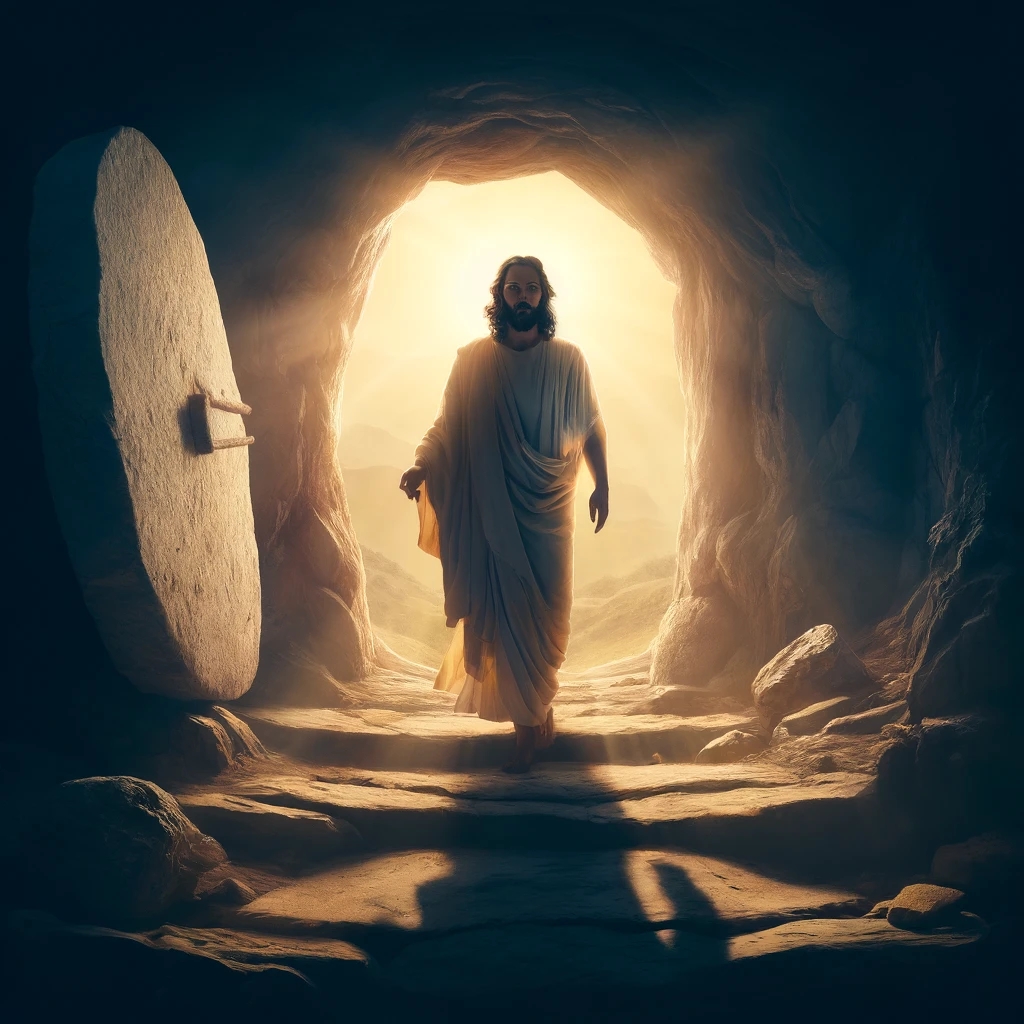
Similarly, the rolling away of the stone from Jesus’s tomb (Matthew 28:2) was an act of divine provision, offering us a glimpse into the miracle of the resurrection. The angels who moved the stone did so not to free Jesus (for He had already risen) but to allow us, through the eyewitnesses of His disciples, access to the evidence of His victory over death. This visible testament to the power of God invites us to believe in something that, under normal circumstances, would be beyond belief: Jesus, once dead, was now alive. Through this act, we are called to a hope that is as enduring as it is bold.

We should never stop wondering: if God has the power to bring Jesus back to life, what are the dead things in my life that need His resurrecting power?

Access to Peace Amidst the Improbable

The tearing of the veil and the rolling away of the stone are not just historical events; they are emblematic of the access we now have to the peace of Christ. This peace, often incomprehensible to our human minds (and especially baffling to those who are not yet followers of Christ), assures us of God’s sovereignty and care, regardless of the turmoil around us. It is a peace that whispers to us that despair and defeat are never final and that, no matter how unlikely our deliverance may seem, God will make a way (Isaiah 43:16).

He always has and He always will.

This divine peace tells us that because of Jesus’s sacrifice and triumphant resurrection, we are reconciled to God and recipients of the victory He achieved over sin and death.

This is the gift of Easter.

There may be many days when it feels like Satan is way ahead in the cosmic battle taking place for our souls and eternal destinations, but Easter shows us that God wins. And He’s sharing that victory with those of us who have fallen to our knees in front of the cross.

Knowing how it ends should help us view our daily struggles through the right lens. Yes, our circumstances can be challenging, or even sometimes downright awful, but how much will they really matter in the end, as long as we hold tight to Jesus’s hand?

Think of the peace this perspective gives us. Who couldn’t use more peace? The world could sure use it, and so could I.

As the Apostle Paul writes:

Borrowed from YouVersion

As we meditate on these truths, let the peace of Christ reign in our hearts (Colossians 3:15). May this peace, which surpasses all understanding, guard our hearts and minds in Christ Jesus (Philippians 4:7), especially when the world around us seems engulfed in chaos. And may we always cherish the access we have been given to the eternal, unchanging peace of our Lord.

Posted in Christian, Faith, Miracles | Tagged , , , , , , , , , , , , , , , | Leave a comment

Poop Happens

My apologies in advance for such a crude title–how’s that for the name of a Christian blog? I’m not trying to be sensationalistic, but I try to be real, so I thought I’d say it like it is.

Basking in the Glow

On my morning walk last Monday, I was basking in the glow of my collaboration with God—rather, God’s working through me—for last week’s blog on Sunday night. I was reliving how much I had enjoyed writing a post about enjoying God. Traces of God’s pleasure during the act of writing still lingered in my mind.

But Then, Life Happens

But then my dog pooped on the sidewalk.

Trying to avoid sharing just how disgusting it was, let me simply say it was quite challenging to clean up. So much for basking in the glow of God’s pleasure.

Valleys and Peaks

Life, in its unpredictable rhythm, often juxtaposes our moments of spiritual highs with the immediate and sometimes jarring realities of the mundane, or even the unpleasant. It can even slap us in the face.

This unexpected encounter with my dog’s mess on the sidewalk, though trivial in the grand scheme, reminded me of a deeper, more profound truth that resonates especially as we begin Holy Week.

Holy Week itself is a journey from the highest of highs—Jesus’s triumphal entry into Jerusalem, celebrated with palm branches and shouts of “Hosanna!”—to the lowest of lows, culminating in His crucifixion. In a matter of days, Jesus went from being hailed as a king to being mocked, tortured, and nailed to a cross.

Yet, He walked that path knowingly, willingly, and with a love so profound that it sought to save not just me, not just you, but all of humanity. Jesus endured the ultimate “poop on the sidewalk” because He knew He needed to in order to storm the gates of hell to rescue you and me from the punishment we deserved: eternal suffering in the form of separation from Him and all that is good.

Jesus trudged through the pain and suffering because He knew what lay on the other side: new life, resurrection, a forever party on the new earth with all of His best friends. Thankfully, that includes you and me, and everyone who has received His gift of grace.

Good news, indeed. That’s the gospel.

Jesus’s Holy Week

In light of Jesus’s terrible Holy Week, my minor inconvenience on a Monday morning walk pales. Yet, it serves as a metaphor for the trials and “messes” we encounter daily.

While it’s true that life seems to scatter more challenges and hardships along our path than blessings, these trials are not without purpose. Just as Jesus’s suffering was imbued with the ultimate purpose of redemption, our struggles, too, can lead us to a deeper understanding and closer relationship with God. Or, in 5 minutes or 50 years, they can prepare us to walk with a brother or sister in Christ who is just beginning the same struggles God helped us endure.

God’s ways are often strange and baffling to us, and I’m learning to be OK with that, even if I don’t always like it.

Our Holy Week

The message of Holy Week is not just about enduring suffering, but it’s about the transformative power of love and sacrifice. It’s a reminder that beyond the “poop” lies the promise of resurrection, of new life, and of paradise. This perspective doesn’t diminish the reality of our trials, but it does offer a hope that is both sustaining and empowering.

As we walk through our days, let’s remember that while the sidewalk of life may occasionally be messy, our journey doesn’t end there. The messes we encounter, both big and small, are part of a larger narrative—one that ends in victory.

Because of Jesus’s sacrifice, we can endure the challenges of today with our eyes fixed on the eternal tomorrow. We are not alone in our struggles; we walk with a Savior who has gone before us, enduring the unimaginable out of love for us.

Beyond the Struggle

So, when life throws its inevitable messes onto our path, let’s face them with grace, knowing that our current trials are but a momentary inconvenience when compared to the glory that awaits us. Let’s push through the pain and misery, not because we enjoy the struggle, but because we are assured of what comes after—an eternity in paradise, secured for us through the most selfless act of love and sacrifice.

Poop happens on the sidewalk of life, but so does resurrection. And it is in this hope that we find the strength to persevere, the courage to push forward, and the joy of knowing that the best is yet to come.

Posted in Christian, Faith, Miracles | Tagged , , , , , , , , , , , , | Leave a comment

Enjoying God

On the heels of last week’s thoughts around conversational intimacy with God, this past week I felt God impressing upon my heart how much I enjoy my relationship with Him, and that I should tell you about that.

Enjoy God? you may wonder. How is that possible? What does that even look like?

These are natural questions, especially in light of the mental image of God we probably all grew up with: a mean old man sitting behind a judge’s bench, frowning, grumbling, keeping track of every bad thing we’ve ever done, and eagerly anticipating His chance to condemn us to hell forever. Certainly, this can’t be far removed from the notion of God commonly accepted in our secular culture today.

So, how could you possibly enjoy someone like that?

My answer is, I don’t know, so I’m glad that my faith journey has brought me down the path of truth, enabling me to see God for who He really is.

Yes, judgment is involved, but only because a perfect and holy God cannot allow sin into His presence. But the thing is, He offered us (and still offers us) Jesus as a covering for our sins. Jesus took the punishment we deserve for all the bad things we’ve ever done and ever will do. By His suffering and execution, we are cleansed, made holy and right in God’s eyes, as long as we accept the gift of grace He has offered us.

That doesn’t sound like a mean old man to me. It sounds like a Father who loves us so much there isn’t anything He won’t do to enable us to be with Him.

So this week I want to spend a few minutes unpacking what it means to enjoy God and how we can get there.

The Heidelberg Catechism

In the 16th century, a leader in the Reformed Church in Germany named Frederick III commissioned the creation of a document called the Heidelberg Catechism, which emerged as a beacon of clarity and comfort during a tumultuous time during the Reformation. This catechism, with its profound simplicity, directs us toward the essence of our existence and purpose:

“The chief end of man is to glorify God and enjoy Him forever.”

The Heidelberg Catechism

This statement is not just a theological axiom; it is a pathway to a life imbued with meaning and joy, highlighting the dual call to honor God and take delight in His presence perpetually.

The Joyful Pursuit

To enjoy God signifies an invitation to a journey of deep satisfaction and delight in His presence, underpinned by a relationship marked by both speaking and listening. This journey is affirmed and guided by the truths of Scripture.

Finding Delight in His Presence

David expresses this sentiment in Psalm 16:11: “You make known to me the path of life; in your presence there is fullness of joy; at your right hand are pleasures forevermore.” To enjoy God is to actively seek and savor His omnipresence in every facet of our lives, recognizing His nearness in moments both serene and challenging.

No mean old man in David’s eyes–just the fullness of joy and eternal pleasures.

The Multifaceted Joy of God

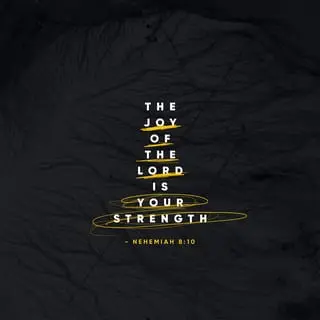
The Jewish leader Nehemiah articulated how we can gain strength from joy in the Lord:

This joy encompasses a peace that surpasses understanding, strength from His eternal faithfulness, and comfort in His unchanging nature.

Other Verses about Enjoying God

During His scandalous conversation with the Samaritan woman at the well, Jesus invites her (and us) to authentic worship of God, thereby enabling us to experience the profound joy of communion with Him:

“Yet a time is coming and has now come when the true worshipers will worship the Father in the Spirit and in truth, for they are the kind of worshipers the Father seeks. God is spirit, and his worshipers must worship in the Spirit and in truth.”

Jesus, in John 4:23-24 (NIV)

How can we worship what we do not enjoy?

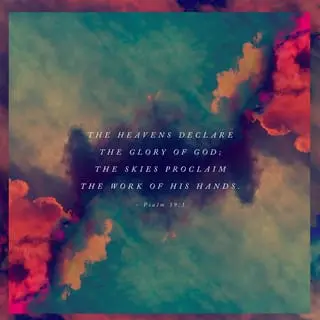
Along those lines, and returning to King David, in Psalm 19, he points out that the heavens’ declaration of God’s glory invites us to marvel at His creation, experiencing joy in the intricate beauty and vastness of His work:

Jesus also lets us know that we can enjoy God through Christian fellowship, where we can see reflections of God’s joy in one another:

    Eric Liddell’s Legacy

    The renowned English Olympian and missionary Eric Liddell (made famous in the movie “Chariots of Fire”) once said, “When God made me, He made me fast, and when I run, I feel His pleasure.” Liddell’s words capture the essence of enjoying God through our unique gifts and passions.

    Just as Liddell felt God’s pleasure in his running, we are invited to discover and embrace the activities and pursuits through which we can feel God’s pleasure. Whether through art, music, being in nature, serving our family or friends, or countless other pursuits, any endeavor that aligns with our God-given talents can pull us effortlessly into the place of enjoying God.

    Enjoying God Forever

    The call to enjoy God is an invitation to an ongoing discovery of His character, an exploration that enriches our lives and deepens our joy. This eternal enjoyment is at the heart of the abundant life Jesus promises in John 10:10, marking a journey filled with the joy that sustains, renews, and empowers us:

    In striving to enjoy God, let us immerse ourselves in the joy of knowing and truly experiencing Him. This joy not only shapes our lives but also serves as a testament to the depth of God’s love for us—a love that invites us to delight in His presence now and forevermore.

    Enjoying God is worship, and worship is a space where we express our gratitude to the Giver of all good things.

    Posted in Christian, Faith, Miracles | Tagged , , , , , , | Leave a comment

    Conversational Intimacy with God

    In the journey of faith, cultivating a relationship with God is most important. It reigns supreme over religious-looking actions or religious-sounding words. God beckons us, calling us deeper into His depths, into the realms of conversational intimacy with Him, where dialogue with the Divine is not just about voicing our needs or desires but about fostering two-way communication. This week, I am drawn to reflect on the profound beauty of conversational intimacy with God, an aspect of spiritual life that mirrors the deepest human relationships, including the cherished bond of marriage.

    Listening as Much as Speaking

    Imagine, if you will, a marriage where communication is one-sided. I’ve been married for more than 30 years, and I cherish my relationship with my wife. But how good do you think our relationship would be if all I ever did was talk and never listened? Or if all she ever did was talk? (I am resisting the urge to make a joke about that…).

    Of course, it wouldn’t be much of a relationship at all.

    So, I talk and I listen. Really listen. Sometimes to the point where I do something different than what I had in mind if her idea seems better than mine–and sometimes even when it doesn’t. That’s part of being in a deeply committed relationship. The essence of our relationship’s depth comes from this mutual exchange, this dance of dialogue where each voice is heard and valued.

    Similarly, our relationship with God flourishes not when we monopolize the conversation, but when we also pause to listen. It’s not merely about talking to God but talking with God.

    The Truth That Sets Us Free

    Jesus told us that we would know the truth:

    Borrowed from YouVersion

    Jesus’s invitation to know the truth—and the promise of the freedom it brings—is pivotal. Listening to God, we can be freed from the cultural bondage and sin and garbage that so easily ensnare us.

    Another time, Jesus points out that He is the truth:

    Borrowed from YouVersion

    This statement is not just a declaration of His identity but an invitation to a relationship grounded in dialogue. How can we know the truth that sets us free if we don’t listen to His words, if we don’t engage in a conversation that involves both speaking and listening?

    Hearing God’s Voice

    So how are we to hear God’s voice? It’s not as easy as hearing the voice of a loved one or a friend, is it?

    Well, not exactly, but it’s not impossible, either. For example, in my faith journey, it has been rare that I hear God’s voice directly and audibly. However, there have nonetheless been several ways that I hear from Him regularly–His responses in our ongoing conversation:

    • Being in His Word Regularly: The Bible is, to me, God’s love letter to humanity. It’s where He speaks to us, offering wisdom, comfort, guidance, and love. The more I immerse myself in Scripture, the more I find it speaking to the current preoccupations of my mind, providing answers or offering new perspectives. This is one of the things I love about the Daily Audio Bible, which I’ve mentioned on several occasions–it’s a very accessible way to engage with God’s word each day. To say this has been life-altering for me would be an understatement.
    • Through Others: Often, it’s through the words or actions of others that I sense God’s voice—sometimes from fellow believers, but not exclusively. There’s a divine orchestration in how the right word or deed from someone else can be the exact message we need to hear from God at that moment.
    • Reflecting on Life’s Events: Taking time to reflect on what has happened in my life and seeking God’s perspective on those events often reveals His hand at work. This reflection leads to moments of realization, where it becomes clear that things turned out not as I had insisted in my prayers, but in a way that was ultimately better. It’s in these moments that I feel I truly “hear” from God, reminding me of His sovereignty and care. And reminding me that He speaks to me even when I’m not listening very well.

    The Dance of Dialogue

    This conversational intimacy with God is akin to a dance—a step forward, a step back, a moment of pause—all in rhythm with the Divine. It requires our full participation, our willingness to engage, to listen, and to respond. It’s in this sacred dialogue that we find the heart of our relationship with God, a relationship where every word spoken and every silence shared is a thread weaving us closer to the fabric of His love.

    In embracing this dance of dialogue with God, let us remember the importance of balance—of speaking our hearts to Him and opening our spirits to listen. For in the give and take of this heavenly conversation, we find the truth that liberates, the guidance that directs, and the love that sustains.


    This made me think of a poem I published on this site several years back. I’m including it here, in case you’d like to give it a quick read:

    Pas de Trois
    (Invitation)

    I wander down
    The street, accepted by
    Few, but mostly
    Not.

    There is noise in one big
    House, noise and
    Light, laughter.
    Music that makes me think of
    Something I lost a long time ago.
    Outside, I can’t help
    Looking in.

    The door swings
    Open, I glance away
    Embarrassed for being
    Caught peeking.

    “Come join us,” calls
    A Voice to anyone
    But me.
    But there is nobody else around.
    “Yes, you!”

    I shuffle toward the
    Open door, the Light,
    Stumbling toward what,
    I do not know.

    Three figures dance a
    Random dance, or
    So it first seems.
    I stand at the edge, drawn
    By warmth of Light, by
    Laughter and Love.

    A pattern emerges, complex and
    Choreographed, yet elegant with
    Undying beauty.
    No one leads, each defers to
    The Other Two, fluid grace.
    I’ve no idea how it works but
    It does, the music plucking at my
    Soul–yearnings, long-forgotten dreams.
    Life was meant to be like this.

    I laugh, a childish sound, and they
    See me,
    Know me,
    Love me anyway.

    “We’ve been waiting for you to dance your part,”
    They tell me.

    “I don’t know this dance,” I say, and yet I
    Find myself joining in.
    Clumsy, I fall and ruin
    The dance but they
    Catch me like it’s part of
    The routine, and
    Still we dance.

    There are no rules to this dance, only
    Love and Light and laughter and
    Music that is no longer haunting.
    A divine dance, a celebration.
    You come in too, there’s
    Always room for one more.

    David K. Carpenter
    Copyright © 2016 by David K. Carpenter

    Posted in Christian, Faith | Tagged , , , , , , , , , , | Leave a comment

    Seeing Clearly, Above the Clouds

    Life has a way of unfolding in seasons, some filled with sunshine and others shrouded in the dreariness of cloud-covered days. It’s during these gray moments that our spirits can feel weighed down, as if the very light that guides us has dimmed. Yet, an experience this week reminded me of a profound truth, one that mirrors the steadfast presence of Jesus in our lives, even when obscured by life’s trials.

    The Sun Was Always There

    On my daily walk, which began under a blanket of dreary clouds, I witnessed a beautiful transformation. As I tread the familiar path, the clouds began to dissipate, gradually revealing the sun that had been there all along. The landscape around me, once muted, was suddenly aglow, bathed in morning light. This moment was a powerful reminder that, despite the overcast skies that occasionally loom over us, the sun—ever constant and warm—remains.

    Above the Clouds

    This revelation brought to mind numerous takeoffs from Denver International Airport, particularly on days when snow and gloom seemed unyielding.

    On some of the grayest of gray days, we allow ourselves to wonder if the sun is really there. Had our previous sparkling glimpses been just a figment of our imagination, fueled by our emotions?

    And yet, as we continue our tumultuous ascent through the layers of clouds, we finally reach that breathtaking moment when the plane emerges above the cloud cover into the brilliance of unobstructed sunlight. It’s a vivid illustration of how, beyond the temporary veil of clouds, the sun shines as brightly as ever. It was there, I just couldn’t see it.

    An Analogy for Our Journey with Jesus

    Both of these experiences serve as poignant analogies for the presence of Jesus in our lives. Much like the obscured sun, there are times when Jesus may seem distant or hidden from our sight, veiled by the clouds of our circumstances, doubts, or pain. But the truth remains—He is always there, His love and light constant and unwavering, even when our vision is clouded.

    The clouds in our lives can take many forms: grief, disappointment, uncertainty, anxiety, fear. These are the layers that can momentarily hide the face of Jesus from us. Yet, just as the sun continues to shine above the clouds, so too does Jesus remain present, His light piercing through the darkest of skies, awaiting the moment we break through the clouds to see clearly once again.

    The Breakthrough

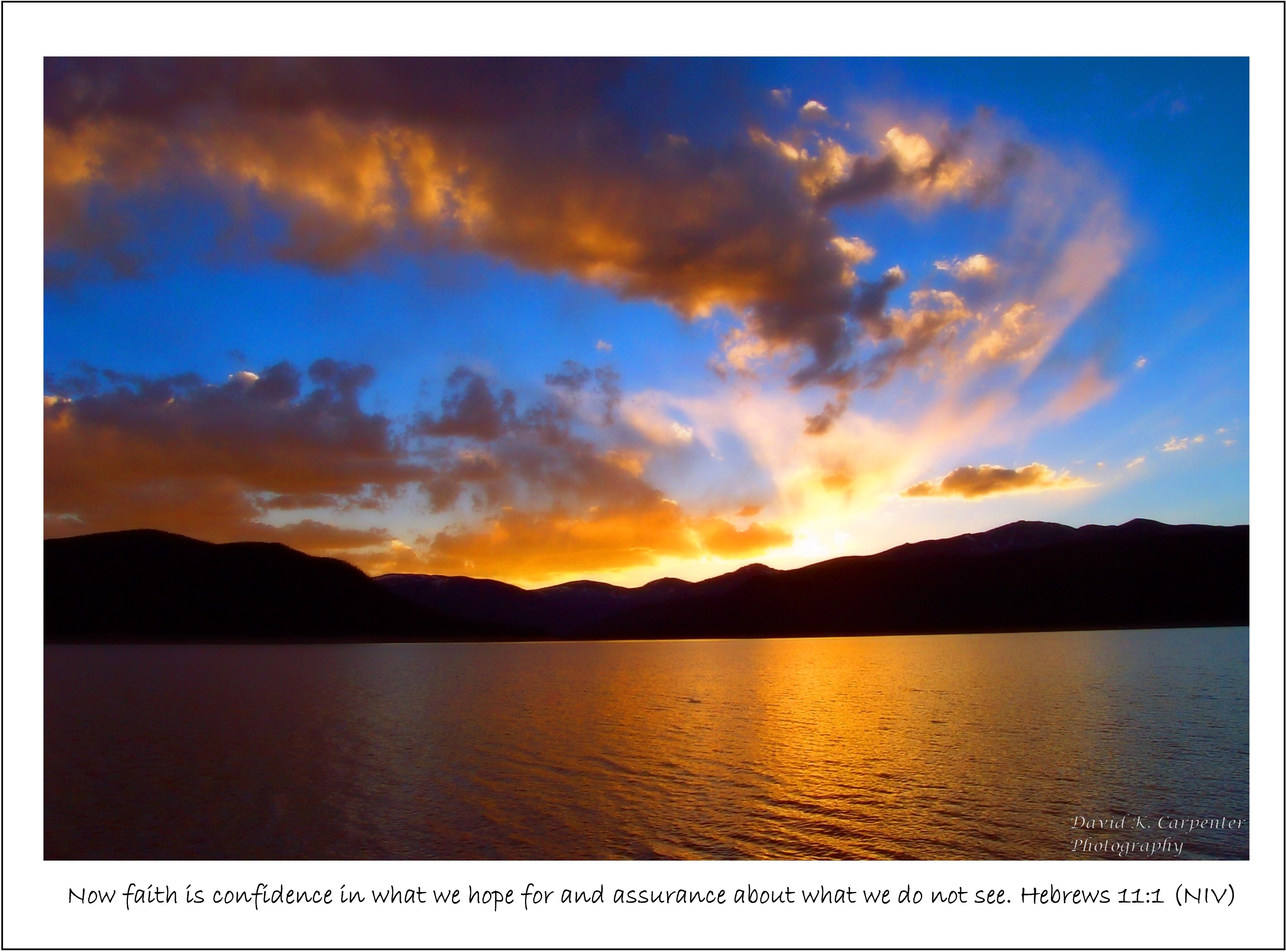
    Breaking through these clouds often requires faith—a belief in what we cannot see but know to be true, as the author of Hebrews points out:

    It’s a faith that says, even on the dreariest of days, the Son is still there, His warmth and guidance a constant force in our lives. It’s in these moments of faith that we experience our own “takeoff,” rising above the doubts and fears to bask in the radiant truth of Jesus’ love for us.

    The Invitation

    Let this be an invitation to look up, even when the clouds seem impenetrable. Remember the sun that shines above and the Son who is always with us. May we find comfort in the knowledge that the clouds are temporary, but the light of Jesus is eternal. Just as the sun waits patiently to greet us beyond the clouds, so too does Jesus wait, ready to illuminate our lives with His grace and love.

    In every cloud-covered walk, in every ascent through the gray, let us hold fast to the promise that the Son is always there, working for our good. And in this truth, find the strength to keep moving forward, knowing that clarity and sparkling sunshine await us, just above the clouds.


    P.S. At church this morning, I met new friends, Reverend Tim and Reverend Cheri, who are striving to plant a new church nearby. They requested prayers for this new journey for them, so please join me in lifting them up in prayer for this important work for God’s Kingdom.

    Posted in Christian, Faith, Miracles | Tagged , , , , , , , | Leave a comment

    Don’t Miss It!

    In the unfolding story of our lives, there are moments that shimmer briefly before fading into the backdrop of our daily routines. These are the moments that, unless we pause to observe and appreciate them, slip quietly by, unnoticed. For example, February 29th stands out as a quadrennial curiosity. Once out of every four years, we get an extra day! But do we make the most of that leap day? This special day challenges us, asking us not only about this one 24-hour period but also more generally regarding how we are spending our most precious resource–time. Yet, even rarer than a leap day is the passage of Halley’s Comet, a celestial event that graces our skies just once in a lifetime, if that. If you missed it, you may not have another chance.

    The Rarity of Time

    February 29th serves as a gentle reminder of time’s precious nature, offering us an extra 24 hours to reflect, act, and appreciate the world around us. It’s a day that begs not to be wasted, for it won’t return for another four years. In the grand scheme of things, it’s a nudge to cherish every moment, every day, because time, once passed, is something we can never reclaim.

    A Celestial Spectacle

    Then there’s Halley’s Comet, a rare visitor from the depths of space that swings by Earth only once every 76 years. Its last appearance in 1986 captivated millions, and it won’t return until 2061. The comet’s journey through our solar system is a testament to the universe’s grandeur and the fleeting nature of our own experiences. Witnessing Halley’s Comet is a once-in-a-lifetime opportunity for most, a chance to connect with the cosmos in a direct, personal way. To miss it is to miss a rare spectacle of nature, a reminder of our place in the broader universe.

    An Allegory for God’s Work in Our Lives

    This infrequency and the anticipation of celestial events like Halley’s Comet serve as a poignant allegory for recognizing God’s work in our lives. It’s not that these divine interventions are rare, but rather that our attention to them can be fleeting. God’s handiwork is evident in the everyday miracles that sustain us, from the complex mechanisms that keep our bodies functioning to the natural processes like photosynthesis that are essential for life. These are constant reminders of God’s presence, His creativity, and how much He cares for His creation, which includes us.

    Missing Out on Gratitude

    In overlooking these daily wonders, we also miss the chance to express our gratitude to God, the most extravagant Father. Each heartbeat, each breath, each green leaf soaking up the sun, is a gift from Him, an expression of His boundless love for us. Failing to notice, to appreciate, and to thank God for these blessings is to overlook the vastness of His generosity. And if we miss those everyday blessings, we are probably missing the bigger things He is doing or has done in our lives. If you have loved ones, friends, a church family, a job, a place to live, hope for the future, then you have many reasons to express your gratitude to God.

    The Call to Attention

    Let us, therefore, be vigilant. Let us attune our senses to the divine presence in the ordinary and the extraordinary alike. As we await the next appearance of Halley’s Comet, let us also cultivate a mindfulness of the miracles that unfold around us every day. For in the grand design of the universe, as in the minute details of our existence, there is evidence of God’s provision and His desire to connect with us.

    In recognizing these moments, in giving thanks for them, we acknowledge the profound relationship we have with our Creator. We affirm that every day is a gift, every moment a chance to experience the wonder of God’s creation. So, don’t miss it! Let’s embrace each opportunity to witness the divine in the world around us and to live our lives as a continuous act of gratitude towards the most extravagant and generous Father who ever lived. Let’s thank Him every day, and not wait another four years!

    Posted in Christian, Faith, Miracles | Tagged , , , , , | Leave a comment

    God Gives Us Faith to Trust that He Will Provide

    As the pages of our lives turn, each chapter filled with its own set of triumphs and trials, it’s easy to get caught up in the whirlwind of the moment. Just a few weeks ago, I shared reflections on how God is in the business of making all things new, drawing from personal experiences and the timeless truths of scripture. Today, I stand in awe of the ways in which this renewal has manifested in my life since then—securing a new job, the removal of my cast following a fractured wrist, and the gradual (ongoing) journey of shedding my extra weight. Each of these milestones, though varied in their nature, speak to a common thread: God’s unwavering provision.

    However, embracing God’s provision requires a faith that is both nurtured and revisited daily. It’s not enough to simply acknowledge His ability to provide; we must actively trust in it, drawing from the well of faith with a heart that is both thirsty for reassurance and overflowing with gratitude.

    A Testament of Provision

    The Bible is replete with examples of God’s provision, each story a testament to His attentiveness to our needs and His power to meet them, often in ways we least expect. Here are just a few examples.

    • Jehovah Jireh and Abraham: In a moment of profound faith and obedience, Abraham was tested to sacrifice his son, Isaac, only to be stopped by God at the last moment. God then provided a ram as a substitute for the sacrifice on Mount Moriah. Abraham named that place Jehovah Jireh, meaning “The Lord Will Provide” (Genesis 22:14). This story not only illustrates God’s provision but also His foresight and faithfulness in meeting our deepest needs. It also shows us Abraham’s unwavering faith and dedication to God, since it appears that he was willing (although reluctantly) to sacrifice the son of God’s promise to him since it seemed to him that that was what God was expecting from him. Interestingly, God would not have been able to show Himself as the Lord Who Will Provide if Abraham had not demonstrated his absolute trust in God.
    • Manna, Quail, and Water in the Desert: When the Israelites found themselves wandering in the desert, their futures uncertain and their stomachs empty, they cried out to God. He responded by raining down manna from heaven (Exodus 16:4), providing quail for meat (Exodus 16:13), and bringing forth water from a rock (Exodus 17:6). This miraculous provision was not just about satisfying physical hunger; it was a lesson in daily dependence on God’s provision. Not only that, but since the manna would turn rotten the next day if too much was collected (except when preparing for the sabbath), it also taught us that we need to trust God today that He will provide for us tomorrow.
    • The Gift of Jesus: In a time of political turmoil and spiritual longing, the people yearned for a leader to free them from Roman oppression. God provided Jesus—His Son—to do just that. But not in the way they expected. They wanted a political revolutionary, but what God gave them (and us) is a way to bring heaven to Earth day by day, enabling us to live above our circumstances even as we endure them. In the same way, the Jewish people of Jesus’s time wanted to know the magical formula that would enable them to be accepted by God, but what He gave us is a path to God Himself, the ultimate sacrifice for our sins that allows us to come into His presence. This act of provision went so far beyond immediate expectations or understanding that many people missed it. Sadly, many still miss it today. But God still offers it again and again, trying lovingly and desperately to address the deepest need of humanity: reconciliation with God, to be fully known and yet still be fully loved.

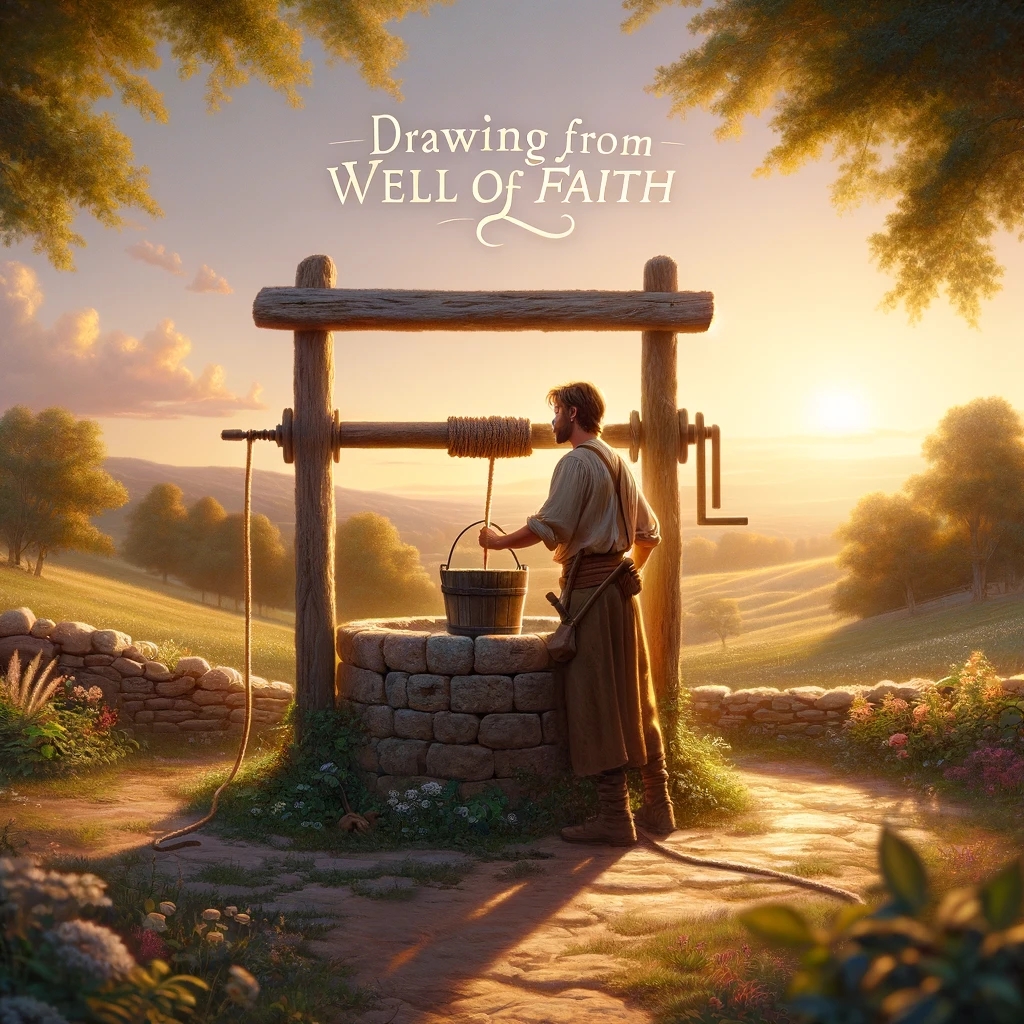
    Drawing from the Well of Faith

    As we reflect on these stories, and as I ponder my own recent experiences, it’s clear that God’s provision is not always about granting us our desires on our timeline. Rather, it’s about meeting our deepest needs in His perfect timing. The journey from a fractured wrist to healing, from joblessness to employment, and from weight gain to health is not just a series of personal victories. It’s a narrative of faith, a reminder that when we draw near to God, trusting in His provision, He meets us where we are.

    Returning daily—or even more frequently—to the well of faith is not an admission of weakness; it’s an act of strength. It’s acknowledging that our understanding is limited, but our trust in God is limitless, bound only by our own weakness and lack of trust. In moments of doubt or when the path ahead seems unclear and/or overwhelming, let’s return our attention to Jehovah Jireh, the Lord Who Will Provide. Just as He provided for the Israelites in the desert, offered salvation through Jesus, and intervened in Abraham’s test of faith, He continues to provide for us in ways both seen and unseen. God may not always make sense to us, but as the pastor at church this morning pointed out, that’s why they call it faith.

    As we journey into the week before us, let us do so with hearts full of faith, eyes open to the ways God is working in our lives, and a spirit ready to declare, just as Abraham did on Mount Moriah, “The Lord will provide.” May we find comfort in the knowledge that our needs are known, our cries are heard, and our faith is rewarded by the One who makes all things new.

    Posted in Christian, Faith, Miracles | Tagged , , , , , , , , , , , | Leave a comment