
In the Beginning
Given that we just started a new year, in most Bible reading plans, we encounter words that anyone who has started going through the Bible has undoubtedly read:
“In the beginning, God created the heavens and the earth.”
—Genesis 1:1 (NIV)
Those words are so familiar that it’s easy to rush past them. But if we slow down, they tell us something profound—not just about how the world began, but about how we were meant to live.
In the opening chapters of Genesis, God creates everything: light, land, seas, plants, animals—and finally, us. And then something remarkable happens.
Adam and Eve walk with God.
Not metaphorically.
Not spiritually in some distant sense.
They walk with Him—enjoying His presence, His companionship, His nearness. Life in the garden is whole, harmonious, and unbroken. No shame. No fear. No hiding.
Everything is exactly as it was meant to be.
Until it isn’t.
When Paradise Was Lost
As humans tend to do, Adam and Eve wanted more than what they had, even though they already had it all. The serpent capitalized on that desire, planting doubt and temptation. Sin entered the story, and with it came rupture, devastation.
The relationship between God and humanity was damaged.
The harmony of creation fractured.
And paradise was lost.
God—who is holy—could no longer dwell in the presence of sin. Adam and Eve were evicted from Eden, and humanity began its long toil east of paradise.
Ever since, we’ve been trying to recreate what was lost.
To build our own versions of Eden.
To find our way back home.
And yet, the ache remains.
God’s Presence—Restored in a New Way
Here’s the part that still amazes me.
Despite our brokenness—and our ongoing tendency toward sin—God did not abandon us.
Through Jesus, and through the gift of the Holy Spirit, God made a way to dwell with us again.
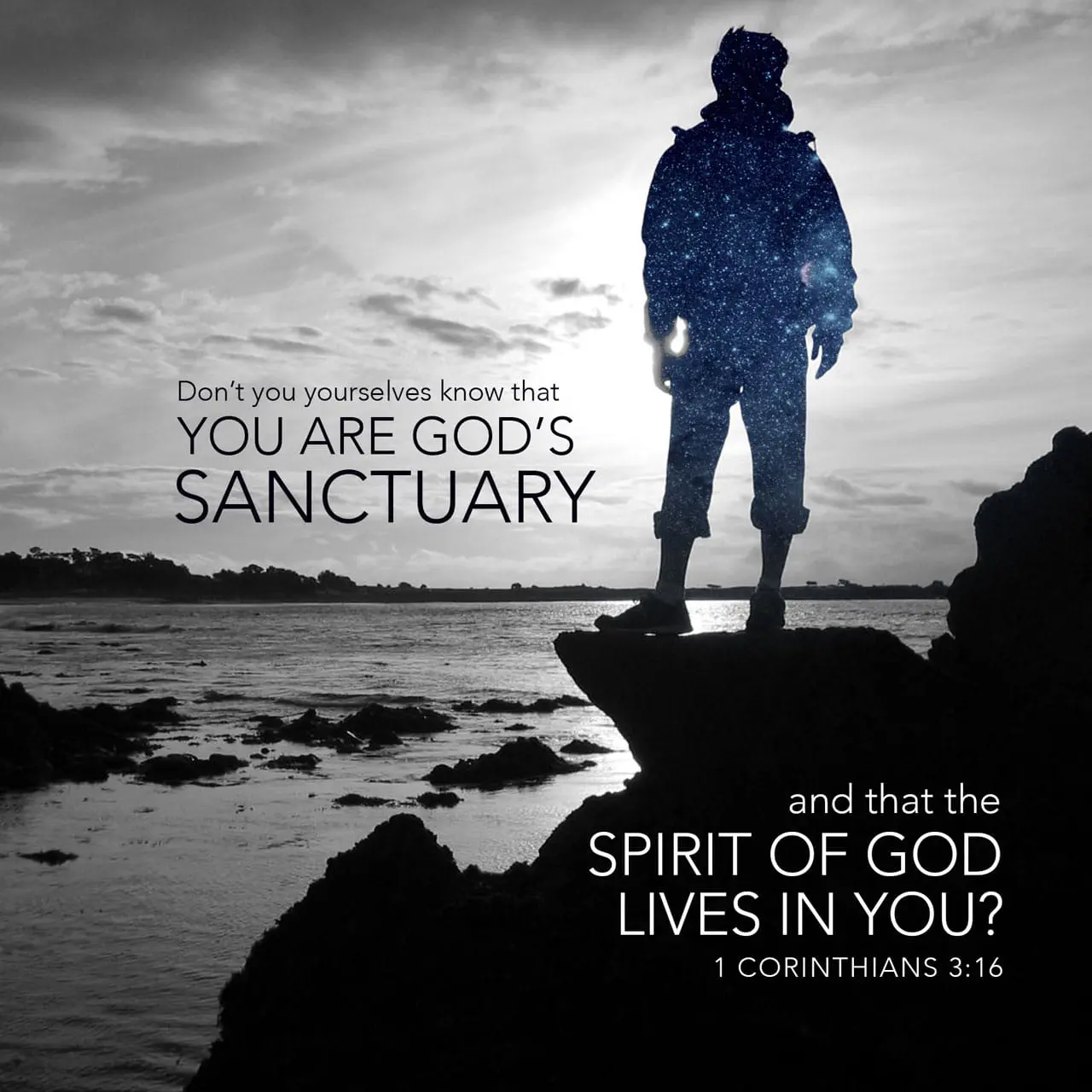
That means God’s presence is no longer limited to a garden, a tabernacle, or a temple.
He is with us.
He is in us.
And most of the time, that is an incredible comfort.
When I’m living in step with God—when my words and actions align with His heart, when I’m seeking to love well and advance His Kingdom—I cherish that closeness. I feel grounded. Steady. Alive.
In fact, this year, I’ve been intentionally exploring new rhythms and practices to help me experience that abiding presence more deeply and more consistently.
But let’s be honest.
That’s not always how it feels. Do we always want God to be so close to us?
When God’s Presence Feels Uncomfortable
What about the moments when I give in to temptation?
When I say something I shouldn’t have?
When I act out of pride, fear, or selfishness?
In those moments, God’s presence doesn’t feel comforting.
It feels… unnerving. I picture God holding His head in His hand, shaking His head, and muttering, “C’mon, Dave. You know better.“
My instinct in these times is the same one Adam and Eve had in the garden:
To run.
To hide.
To cover myself.
But as the psalmist reminds us, hiding is an illusion.
“Where can I go from your Spirit?
Where can I flee from your presence?”
—Psalm 139:7 (NIV)
This psalm is usually read as deeply comforting—and it is. But there’s also something painfully human in it. A quiet acknowledgment of our desire to disappear when we’ve messed up.
I can’t help but think of the Apostle Peter.
Peter’s Failure—and Restoration
Not long before Judas’s betrayal of Jesus, Peter boldly declared he would follow Jesus anywhere—even to death.
And then, hours later, on the worst night of Jesus’ life, Peter denied knowing Him.
Three times.
Can you imagine the weight of that failure?
The shame?
The desire to hide forever?
And yet, after the resurrection, Jesus doesn’t avoid Peter.
He seeks him out.
On a beach, over breakfast, Jesus restores Peter—not with condemnation, but with love.
“Simon son of John, do you love me?”
—John 21:15 (NIV)
Three times Peter is asked.
Three times he is restored.
It’s as if Jesus is saying:
You don’t need to run from My presence.
You don’t need to fear it.
You don’t need to hide.
I already know what you’ve done.
And I love you anyway.
Abiding Instead of Hiding
This is the truth I want to live into more deeply this year.
Not just enjoying God’s presence when I’m “doing well,”
but learning to remain with Him when I fall short.
To stop hiding.
To stop pretending.
To stop believing that my failures surprise Him.
Jesus Himself invites us into this kind of relationship:
“Abide in me, and I in you.”
—John 15:4 (ESV)
Abiding doesn’t mean getting it perfect every time.
It means staying.
Letting God teach us.
Letting Him shape us.
Letting Him redeem even our mistakes.
God knows every failure we will ever make.
And He chose to dwell with us anyway.
That was true in Eden.
It was true in Christ.
And it is true now—through His Spirit within us.
What to Do Now
So here’s my invitation—to you and to myself:
This week, notice when you feel closest to God.
And notice when you feel tempted to pull away.
Instead of hiding…
pause.
Breathe.
Stay.
Bring your whole self into God’s presence—your faithfulness and your failures alike.
Ask Him:
- Where am I running instead of abiding?
- What would it look like to remain with You right here?
Paradise was lost.
But God’s presence was not.
And one day, through Christ, Eden will be fully restored.
Until then, God walks with us—
not just in our best moments,
but in all of them.
As Jesus promised:
“And surely I am with you always, to the very end of the age.”
—Matthew 28:20 (NIV)
Right here.
Right now.
God is with us.


 Master's Canvas - Writing & Photography by David K. Carpenter