
Introduction: The Moment After We Notice
Last week, we talked about hurry—about how our impatience can make God’s slowness feel like absence, and how learning to walk at the speed of relationship keeps us close to Him.
But if you’re anything like me, there’s another moment you’ve encountered in this journey.
It’s the moment when we realize we’ve drifted.
Not dramatically.
Not rebelliously.
Just… gradually.
Life got busy.
Our attention scattered.
Fear crept in around the edges of our faith, trying to break it down.
Prayer became shorter, quieter, or more sporadic.
And once we notice the distance, something else often shows up right behind it.
Shame.
How could I have let this happen? I was just feeling so close to God….
Why Returning Can Feel Harder Than Wandering
Most of us don’t hesitate to wander—we are easily distracted.
We hesitate to return.
We replay how long it’s been.
We measure how far we’ve drifted.
We kick ourselves for falling away.
I should have known better.
I should be further along by now.
When is God going to give up on me?
That voice rarely tells us to abandon God outright.
Instead, it tells us to wait.
To get our act together.
To somehow strengthen our faith.
To get back into a “better place” spiritually before returning to God.
But that voice is not coming from God.
Grace Doesn’t Ask Us to Prepare—It Asks Us to Come
Scripture tells a remarkably consistent story about God.
God does not ask His children to repair themselves before returning.
He asks them to return so that restoration can begin.
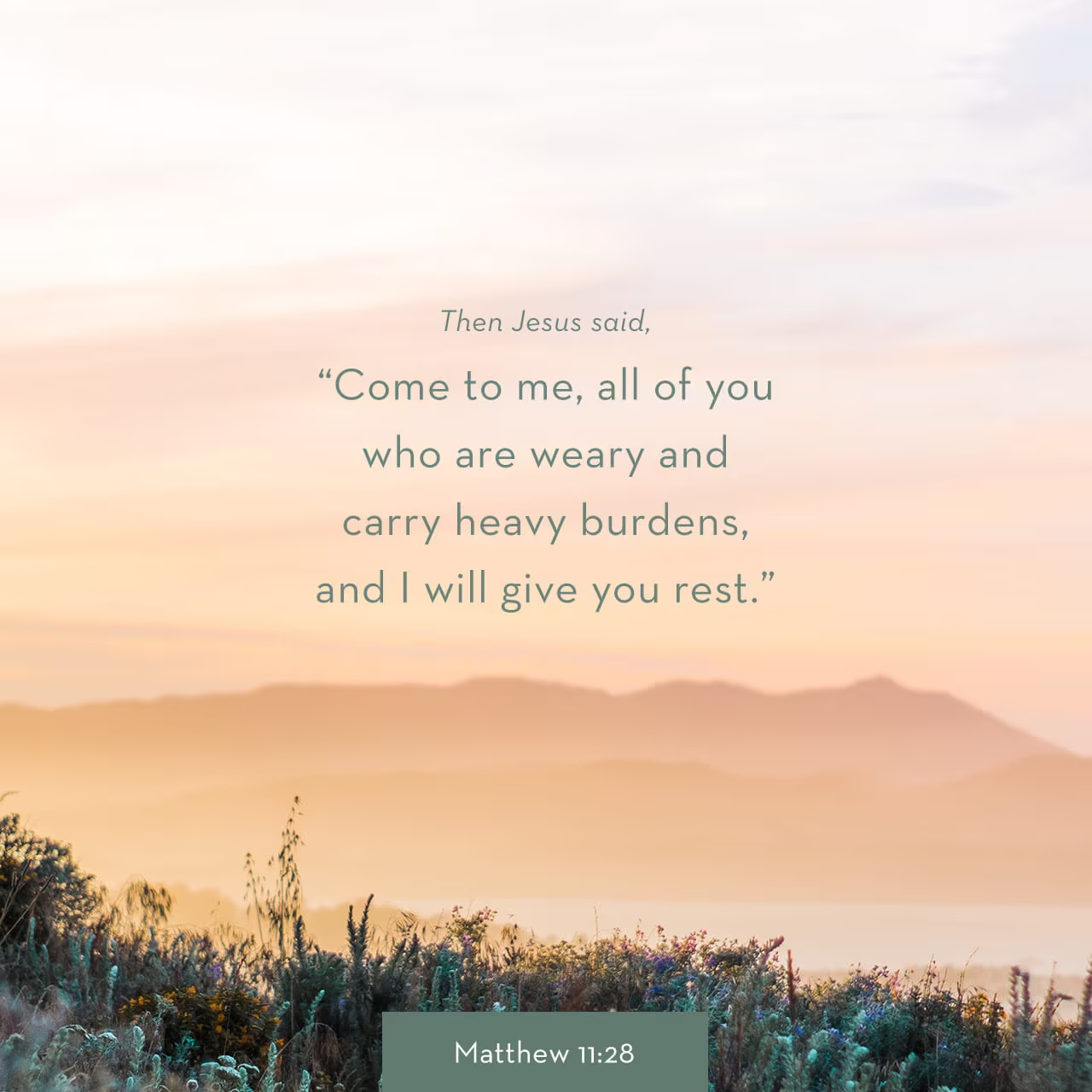
Notice what Jesus doesn’t say.
He doesn’t say, “Come once you’ve figured it out.”
He doesn’t say, “Come after you’ve made it right.”
He says, Come. Come now, just as you are.
This is the same God Jesus describes in the parable of the prodigal son—the Father who doesn’t wait on the porch with crossed arms, but runs to meet his returning child.
Before explanations.
Before apologies.
Before promises to do better.
Shame tells us we need restoration before return.
Grace tells us restoration is exactly why we should return.
Returning Is Not Failure—It Is the Walk
One of the quiet lies many of us absorb is that returning means we’ve failed.
But returning is not regression.
It’s not starting over.
It’s not evidence that we’re bad at faith.
Returning is the walk.
Walking with God assumes moments of distraction, fatigue, misalignment, and even forgetfulness. What matters is not how often we drift—but how freely we return.
The most spiritually mature people are not the ones who never wander.
They are the ones who don’t stay away long.
When I’ve Needed This Most
I’ve learned this more deeply over the last six months than at almost any other time in my life.
Since my dad passed away last August, the season that followed was physically and emotionally draining. There has been so much to do—logistics, decisions, responsibilities as the executor of his estate—and so many raw emotions moving through me at the same time.
Countless times during that period, I turned to God and found comfort in His strong arms. I honestly don’t know how I would have made it through without having built my life on Christ—the only solid bedrock when everything else felt unstable.
I share that not to pat myself on the back or suggest some heroic level of faith.
Because even in that season—when my faith felt steady and real—there were still times (too many times) when I wandered.
Times when I tried building extensions onto my life-house on quicksand instead of rock:
my career,
my bank account,
even my family.
But then fear or stress or hopelessness would creep in around the edges of my life.
But then each time, thanks to God, I would recognize that I had strayed away from the solid foundation. From the peace, wholeness, hope, joy, strength, and comfort that Jesus offers.
And with this recognition, each time I turned back toward God.
And there He was.
Not distant.
Not disappointed.
Not withdrawn.
But waiting, running to us—arms stretched wide.
Arms shaped like a cross.
Learning to Turn Back Gently
Returning to God does not require drama.
It doesn’t require lengthy explanations.
It doesn’t require rehearsing our failure.
It doesn’t require emotional intensity.
Sometimes the holiest prayer is simply:
“Here I am.”
That small turning—without excuses, without self-punishment—is often where closeness is restored.
God’s presence does not grow cold when we drift.
It waits.
And more often than not, it is closer than we expect.
The Freedom of Shame-Free Return
When we begin to return without shame, something changes.
We stop measuring distance.
We stop managing appearances.
We stop delaying intimacy.
We realize that God is not keeping score.
He is keeping company.
And that frees us to walk lightly again—to stay close, not because we’re perfect, but because we’re honest.
And because there’s no better place to be than abiding in our merciful, loving God.
Go Deeper
Why Shame Delays Healing
Shame doesn’t usually drive us away from God.
It delays us.
It convinces us that we must develop stronger faith before we’re welcome.
That we must prove we understand what went wrong.
That we must fix ourselves before being close again.
But Scripture tells us something different:

Grace does not wait for readiness.
Grace creates it.
If holiness protects nearness, then grace protects return.
That’s why repentance in Scripture is not about self-condemnation.
It’s about turning.
Re-orienting.
Coming home.
So here’s a gentle question to sit with this week:
What would it look like for me to return to God without rehearsing my failure first?
Learning to return without shame doesn’t mean sin doesn’t matter.
It means grace matters more.
Closing Encouragement
If you’ve noticed distance lately, don’t assume something is wrong with you.
It may simply be an invitation to return—without fear, without shame. Without delay.
The Father is not standing still.
He is already moving toward you.
Same God.
Same grace.
Still running.
Still ready to pick up the relationship right where you left it.
Breath Prayer
If it helps, here’s a simple breath prayer I’m going to try this week—especially in moments when I notice myself drifting or feeling distant.
Inhaling, pray quietly:
“Here I am, Father.”
Exhaling, pray:
“I receive Your grace.”
You can do this while walking, driving, or sitting in silence.
No explanation required.
No fixing needed.
Just turning—and being held.


 Master's Canvas - Writing & Photography by David K. Carpenter