Whether we like it or not—God doesn’t give us a choice—when we declare ourselves followers of Christ, when we accept His glorious gift of grace, mercy, and forgiveness, we’re also stepping into the “uniform” of a Christ-follower.
What does that look like, though?
Is it a coat and tie for men on Sunday morning, and a properly long dress for the ladies? The right haircut, the right amount of makeup and jewelry?
Not even close.
I’m not saying there’s anything wrong with any of those things—if that’s how you choose to present yourself, that’s your call. But those things aren’t part of the uniform of a Christ-follower. If they were, most of Jesus’ disciples—and Jesus Himself—wouldn’t pass the dress code.
A Countercultural Uniform
Jesus specifically chose people who did not conform to the world’s expectations for “religious” people. Why?
Because His kingdom doesn’t operate by worldly standards. His is a kingdom where the inside matters more than the outside, and where the heart determines the uniform.
When Jesus rebuked the religious leaders of His day, He didn’t do it for wearing the wrong robes or saying the wrong prayers. He rebuked them because, while everything looked polished on the outside, they were spiritually dead inside. As He put it:
“Woe to you, teachers of the law and Pharisees, you hypocrites! You are like whitewashed tombs, which look beautiful on the outside but on the inside are full of the bones of the dead and everything unclean.”
That’s a gut punch. But it’s also a clear indicator: the uniform of a Christ-follower has nothing to do with appearances—and everything to do with action and intention.
So What Does the Uniform Look Like?
Over the course of my journey with Jesus, I’ve come to understand that the real uniform isn’t about what we wear or how we look; it’s about how we love—and why we love.
Jesus tells us plainly:
“A new command I give you: Love one another. As I have loved you, so you must love one another. By this everyone will know that you are my disciples…”
Not love as the world defines it—fleeting, transactional, self-serving love. But love that looks like Jesus: sacrificial, unrelenting, and extended even to those we’d rather not love.
It means loving your neighbors—even the ones who won’t cut their grass.
It means showing grace to that driver who cuts you off—or drives 10+ miles per hour under the speed limit (I’m working on those myself).
It means loving those who don’t think like you, vote like you, or believe like you.
It means seeing the brokenness behind bad behavior and treating it tenderly instead of smashing it on the ground.
What It Means to Wear a Uniform
Whether it’s a soldier, a police officer, or an athlete on a sports team, a uniform communicates something before a word is spoken.
It signifies identity—this person belongs to something larger than themselves.
It implies accountability—their behavior reflects on the team or institution they represent.
And in the military especially, a uniform demands meticulous attention to detail. Why? Because sloppiness doesn’t just reflect poorly on the individual—it reflects poorly on the entire force. In some cases, it can even cost lives.
When you wear the uniform, you don’t just represent yourself.
It’s the same for us as followers of Christ.
We’ve been given a new identity, we belong to something far greater than ourselves, and our words and actions reflect not just on us—but on Jesus Himself. That’s why Paul reminds us:
“We are therefore Christ’s ambassadors, as though God were making His appeal through us.”
Ambassadors. Representatives. People are watching.
Why It Matters
Here’s the thing: if people know you’re a Christ-follower (and hopefully they do), they’re watching. Not in a creepy way, but in a “Does this Jesus thing really make a difference?” kind of way.
When we treat others as Christ would, people get curious. They wonder what’s different about us—and that curiosity can open a door to faith.
But the reverse is also true.
When we act poorly—and worse, when we justify our behavior “in the name of Jesus”—we risk pushing people away from Him. That breaks God’s heart, and it breaks my heart, because I’ve seen it happen.
When Christians Behave Badly
My younger daughter has been deeply wounded by people who called themselves Christians—at key moments in her faith journey. These encounters drove a wedge between her and God. My wife and I continue to pray and gently guide her back into a relationship with Jesus, but there’s a lot of scar tissue.
Even in my own life, I was hurt by so-called Christians during my time at a Christian university. It rocked my faith early on.
But over time, I’ve matured. I’ve stopped judging God by the behavior of His followers.
It took me a while, but I finally realized how absurd it was to think I could judge Him—the One who sees the whole picture when I barely see a small section.
I’ve also learned to be slower to judge others. I don’t know what battles they’re fighting. They may be acting out of deep wounds or even spiritual deception—meaning, maybe they think they’re doing what they’re doing to glorify God, but they’re really following the prompting of the evil one.
Only God sees their heart. I can’t.
Right Action, Wrong Reason?
Now here’s the twist Jesus throws in (because He always takes it deeper):
It’s not just what we do that matters—it’s why we do it.
We’re not called to love people just because it’s the rule, or because it earns us points in heaven. We’re called to love because He first loved us (1 John 4:19).
Out of gratitude that He loves us in spite of our mess. Out of a heart healed by mercy.
Jesus told a parable about a servant who was forgiven an enormous debt, only to turn around and demand a small repayment from another servant. His master was furious. (See Matthew 18:21–35.)
We’ve been forgiven much. And Jesus wants our actions to reflect that—not as payment, but as response.
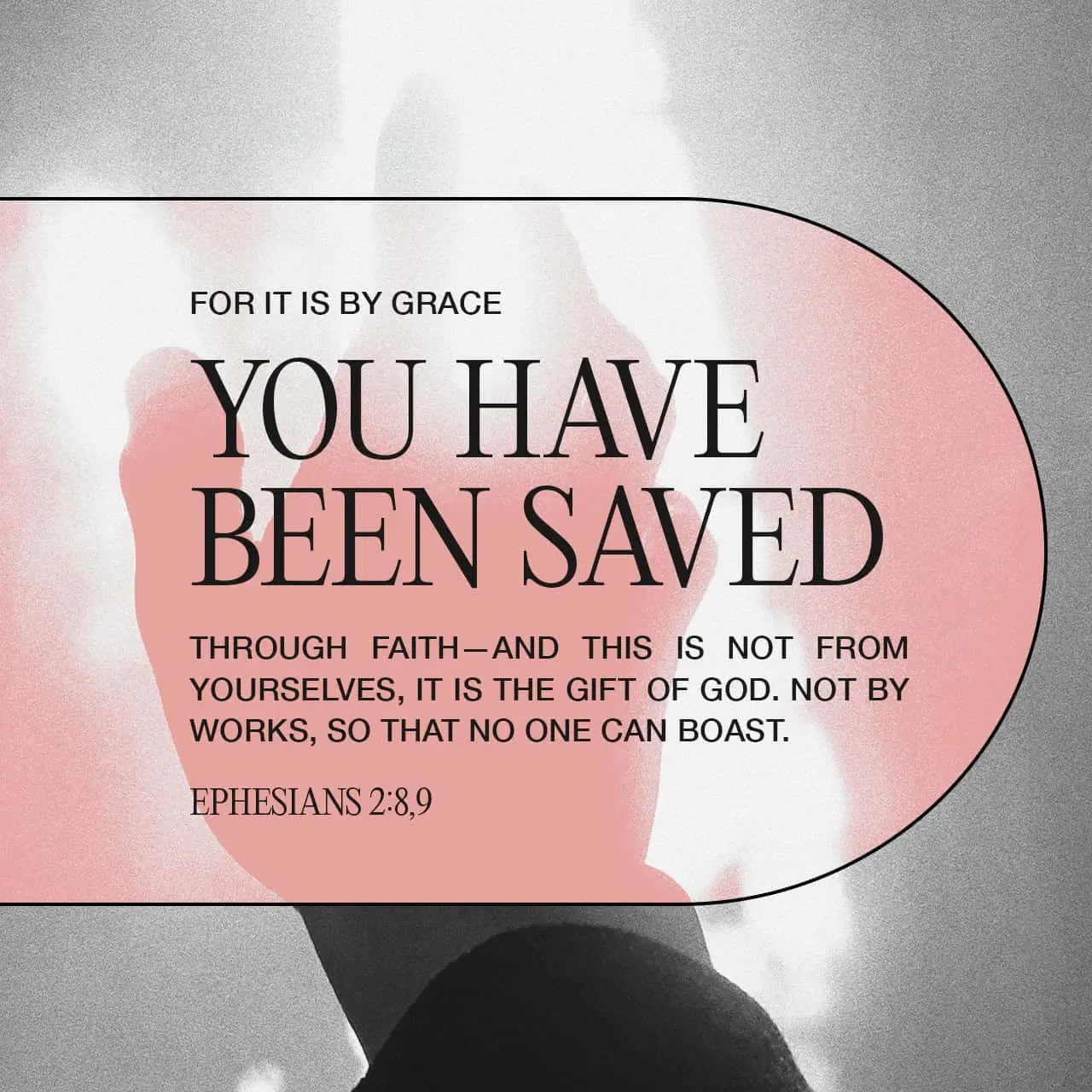
Trying to earn our way into heaven by “good deeds” misses the point entirely:
In the economy of God’s Kingdom, right behavior with the wrong motive is still wrong behavior.
Only God truly knows the heart—but we can pray for Him to reveal our motivations, to purify them, and to help us grow into people who reflect Jesus both in action and intention.
One Final Thought
I know this was a lot—but following Jesus isn’t supposed to be easy. He never promised that it would be.
When He said His yoke is easy and His burden is light (Matthew 11:30), He wasn’t saying the path would be painless. He was saying that, compared to the crushing weight of legalism and guilt, life with Him brings rest and restoration—because we walk it with Him.
And that’s the best part. He promised not ease, but His presence.
So yes, we represent Him. And that’s a heavy responsibility. A difficult uniform to wear well.
But we don’t carry it alone.
“To them God has chosen to make known among the Gentiles the glorious riches of this mystery, which is Christ in you, the hope of glory.”
Christ in you. Not just beside you, not just above you—but in you.
That’s what transforms us. That’s what makes us better representatives. That’s what helps us wear the uniform well and proudly. And that’s the source of the hope we carry into a hurting world.




 Master's Canvas - Writing & Photography by David K. Carpenter