
Pilate’s Question Still Echoes Today
In one of the most pivotal moments of history, as Jesus stands before Pontius Pilate, Jesus reveals His mission to the Roman governor:
“The reason I was born and came into the world is to testify to the truth.”
Jesus, in Matthew 18:37 (NIV)
Pilate responds with a prescient question that still lingers in our world today:
“What is truth?”
Pontius Pilate, in Matthew 18:38 (NIV)
Pilate’s question wasn’t a sincere search for understanding—it was dismissive, cynical, and reflective of a world where truth had already begun to lose its meaning.
Fast-forward to today, and it seems we’ve taken this question to heart in ways Pilate never imagined. Our culture has drifted to a place where people talk about “my truth,” as if truth were something personal, fluid, and subjective—something that can shift based on perspective or feelings.
But is that what truth really is? Or have we lost sight of what truth was always meant to be?
The Erosion of Absolute Truth
Our modern world increasingly rejects absolute truth in favor of relativism—the idea that truth is different for everyone. The problem? This mindset crumbles under its own weight.
If truth is relative, then nothing can be trusted. What happens when one person’s “truth” contradicts another’s? What happens when someone’s “truth” is harmful or deceptive? If truth is merely personal preference, then right and wrong cease to have meaning.
Yet, Jesus makes a bold declaration:

Jesus didn’t claim to be a truth—He claimed to be the truth. Truth, by its very nature, is fixed, unchanging, and absolute.
The Subtle Danger of Moral Relativism
Moral relativism—the belief that morality is fluid and personal—has crept into our thinking in more ways than we realize. It’s not always blatant rebellion; sometimes, it’s small compromises that add up over time.
Truth can sometimes have sharp edges, and we’re tempted to file them down.
We tell ourselves things like:
✔ “This sin isn’t that bad.”
✔ “God understands—everyone does this.”
✔ “That’s just how I was raised.”
✔ “I know what the Bible says, but this is different.”
The moment we start rationalizing sin, we have begun shaping our own version of truth—a truth that makes us more comfortable but ultimately leads us away from God’s best for us.
Jesus warned us of this, reminding us what the truth is meant to do for us:

The truth doesn’t restrict us—it liberates us. But if we redefine truth to fit our own desires, we’re no longer living in freedom. We’re living in self-deception.
How Do We Fix This?
So, if we find ourselves drifting into this kind of thinking, how do we course correct?
1. Develop a Conversational Intimacy with Jesus
Jesus is not just the source of truth—He is Truth. When we develop an ongoing dialogue with Him, we invite Him to gently correct our thinking.
A simple prayer like “Jesus, show me where I’m compromising truth” can lead to conviction, clarity, and a renewed mind.
We should ask things like:
🔹 Where have I filed down truth’s sharp edges to fit my desires?
🔹 Where have I allowed culture’s opinions to override God’s Word?
🔹 What lies have I unknowingly embraced?
When we keep these conversations open and honest, Jesus will redirect us back to what is real. He will help us allow the truth to set us free.
2. Immerse Yourself in THE Truth: God’s Word
The best way to recognize a counterfeit truth is to be intimately familiar with the real thing. As Jesus prays for His disciples (and for us):
“Sanctify them by the truth; your word is truth.”
Jesus, in John 17:17 (NIV)
If we aren’t grounded in God’s Word, we will unintentionally absorb the shifting “truths” of our culture. But when we read scripture daily, it shapes our hearts, minds, and discernment.
Even five minutes a day in the Bible can:
📖 Strengthen our ability to recognize deception.
📖 Remind us that God’s truth is eternal, not circumstantial.
📖 Keep our hearts aligned with what God says, not what culture says.
3. Surround Yourself with People Who Value Truth
We were never meant to figure this out alone. Proverbs 27:17 reminds us:
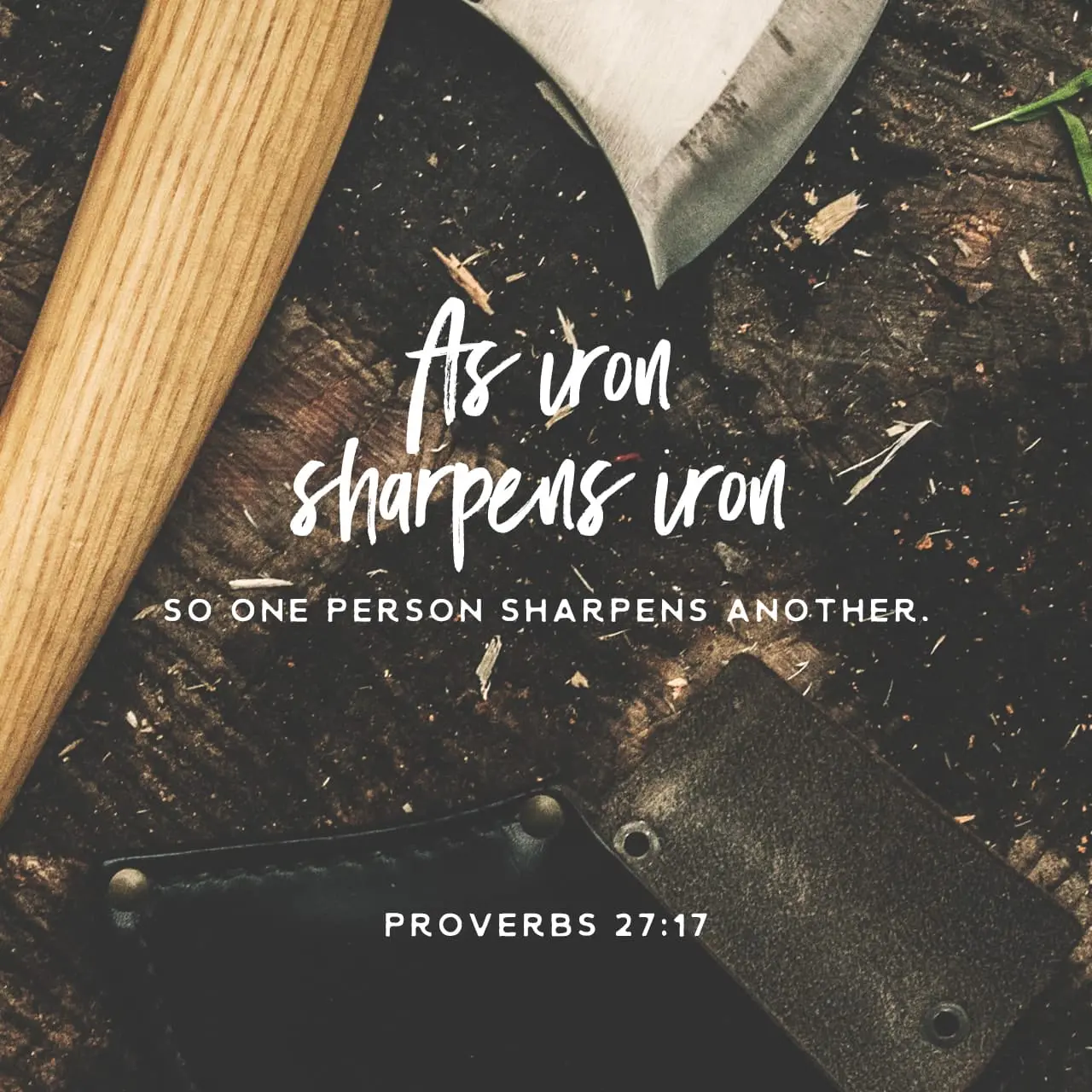
As iron sharpens iron, so one person sharpens another.
Proverbs 27:17 (NIV)
When we have truth-seeking friends, mentors, and church communities, we have accountability. They can help us see when we’re drifting and encourage us to stay rooted in God’s truth.
4. Ask God for Boldness
Living by absolute truth in a culture that celebrates relativism isn’t easy. It takes courage to stand firm when the world tells you to compromise.
But God will give us strength if we ask for it.

Truth is worth standing for, even when it’s unpopular.
Conclusion: The Truth Will Set You Free
Pilate stood before the embodiment of truth and still asked, “What is truth?”
How often do we do the same? How often do we look directly at what God has said and still entertain doubt, compromise, or cultural narratives that contradict it?
Truth is not subjective. It’s not something we get to redefine to fit our lives. It is who Jesus is.
So let’s commit to seeking and standing on His truth, even when it challenges us, even when it’s difficult, and even when the world tells us otherwise.
Because truth doesn’t chain us—it sets us free.
💬 Next Steps
🔥 Where have you seen moral relativism creep into our culture?
💬 Have you ever caught yourself rationalizing sin instead of confronting it with truth?
Let’s continue the conversation in the comments!


 Master's Canvas - Writing & Photography by David K. Carpenter
Pingback: Lessons in Temptation | Master's Canvas – Writing & Photography by David K. Carpenter