
Introduction
As we crossed over into a new year, I spent a bit of time considering ways to improve my life and continue to deepen my relationship with God (which are really the same thing, now that I think about it). As I have looked ahead, this also involved looking back to similar calendar changes throughout my life. Looking back, I can see countless times when God showed up in ways that I didn’t expect, often at moments when I had reached the end of my own abilities. In those moments, I was reminded of a truth that’s easy to forget: God is always working for our good, even when we can’t see the way forward. The key is learning to step aside and let Him lead. And that takes humility.
If you’re anything like me, you may have a tendency to make plans and then ask God to bless them. It’s natural—we fool ourselves into thinking that we are in control. But what if, instead of asking God to follow our lead, we asked Him to show us His path? What if we let go of our own agendas and allowed Him to direct our steps?
God Makes a Way Where There Is No Way
Scripture is filled with examples of God making a way where no way seemed possible. One of the most dramatic examples comes from the story of the Exodus. The Hebrews, fleeing slavery in Egypt, found themselves trapped between the Red Sea and Pharaoh’s advancing army. It must have seemed like an impossible situation. But God had a plan. In Exodus 14:21-22, we read:
Then Moses stretched out his hand over the sea, and all that night the Lord drove the sea back with a strong east wind and turned it into dry land. The waters were divided, and the Israelites went through the sea on dry ground, with a wall of water on their right and on their left.
Exodus 14:21-22 (NIV)
God didn’t just provide an escape—He provided a miraculous path forward that no one could have anticipated. He made a way when there was no way.
Later, during their desert wanderings, the Israelites faced a different challenge: thirst. They had no water, and once again, it seemed like there was no way forward. But God provided. In Exodus 17:6, God instructed Moses:
“I will stand there before you by the rock at Horeb. Strike the rock, and water will come out of it for the people to drink.”
Exodus 17:6 (NIV)
And water did flow from the rock, sustaining the people in their journey.
These stories remind us that God is not limited by the obstacles we see. Where we see barriers, He sees opportunities to show His power and faithfulness. But in order to experience His provision, we must first be willing to step aside and let Him lead.
Letting Go of Control Requires Humility
Humility is not something that comes easily for most of us, and I’m no exception. It requires us to admit that we don’t have all the answers and that we can’t do it all on our own. It asks us to surrender our plans and trust that God’s plans are better. Easier said than done, I know.
Proverbs 3:5-6 reminds us of this:

Submitting to God means more than just asking Him to bless our plans. It means seeking His will first and trusting that He will guide us—even when the way forward is unclear.
Practical Steps to Let God Lead
If you’re wondering how to let God take the lead in your life, here are a few things that have come to mind as I’ve pondered how to do better about this in my own life:
- Pray for Guidance: Instead of asking God to bless your plans, ask Him to show you His plans. Pray for clarity, wisdom, and the courage to follow where He leads.
- Pause and Listen: We often fill our prayers with words but forget to take time to listen. Spend time in quiet reflection, reading or listening to Scripture, and seeking His voice.
- Surrender Daily: Letting go of control is not a one-time event—it’s a daily decision. Sometimes, it even involves surrendering yourself to God’s will multiple times throughout a single day. Each morning, ask God to guide your steps and help you trust Him with the outcome.
- Look for God’s Hand: As you move through life, pay attention to the ways God is working around you. Often, His leading becomes clear in hindsight when we look back and see how He orchestrated events for our good. Although journaling has never really been my thing, I know people who use that technique to help them remember times in their lives when God has come through for them when they thought all hope was lost.
God’s Plans Are Always Better
Jeremiah 29:11 reminds us of God’s promise:
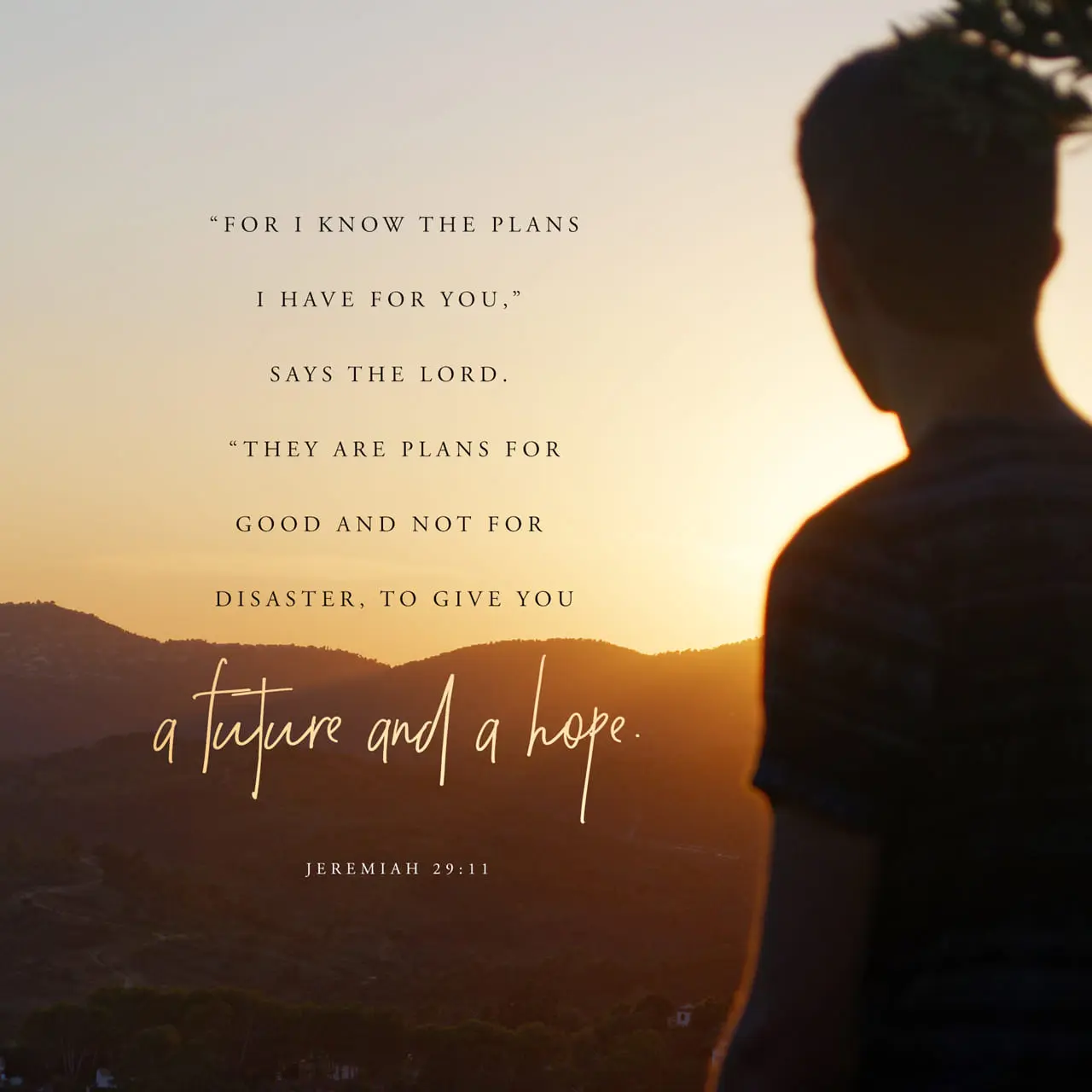
When we humble ourselves and allow God to take the lead, we align ourselves with His plans—plans that are always for our good, even if they don’t unfold the way we expect.
Conclusion: Let God Take the Lead
This new year, let’s resolve to let God take the lead in our lives. Instead of charging ahead with our own plans, let’s seek His will and trust Him to make a way. Remember, He is the God who parts seas and brings water from rocks. He is able to do immeasurably more than we could ever ask or imagine (Ephesians 3:20).
So I invite you to join me in taking a step back and surrendering your plans, letting God guide you. It’s not always easy, but when we trust Him, we discover that His way is always the best way.


 Master's Canvas - Writing & Photography by David K. Carpenter